




PayPal and Venmo are two of the most recognizable names in digital payments today. While PayPal helped define online checkout in the early 2000s, Venmo modernized peer-to-peer payments with a social feed and one-tap paybacks. Both are now essential tools for moving money, splitting bills, and buying online.
They operate as separate brands, but they are closely connected. This guide explains who owns Venmo, who owns PayPal, how they’re related, and how that relationship is evolving.
PayPal: The Original Online Payment Pioneer
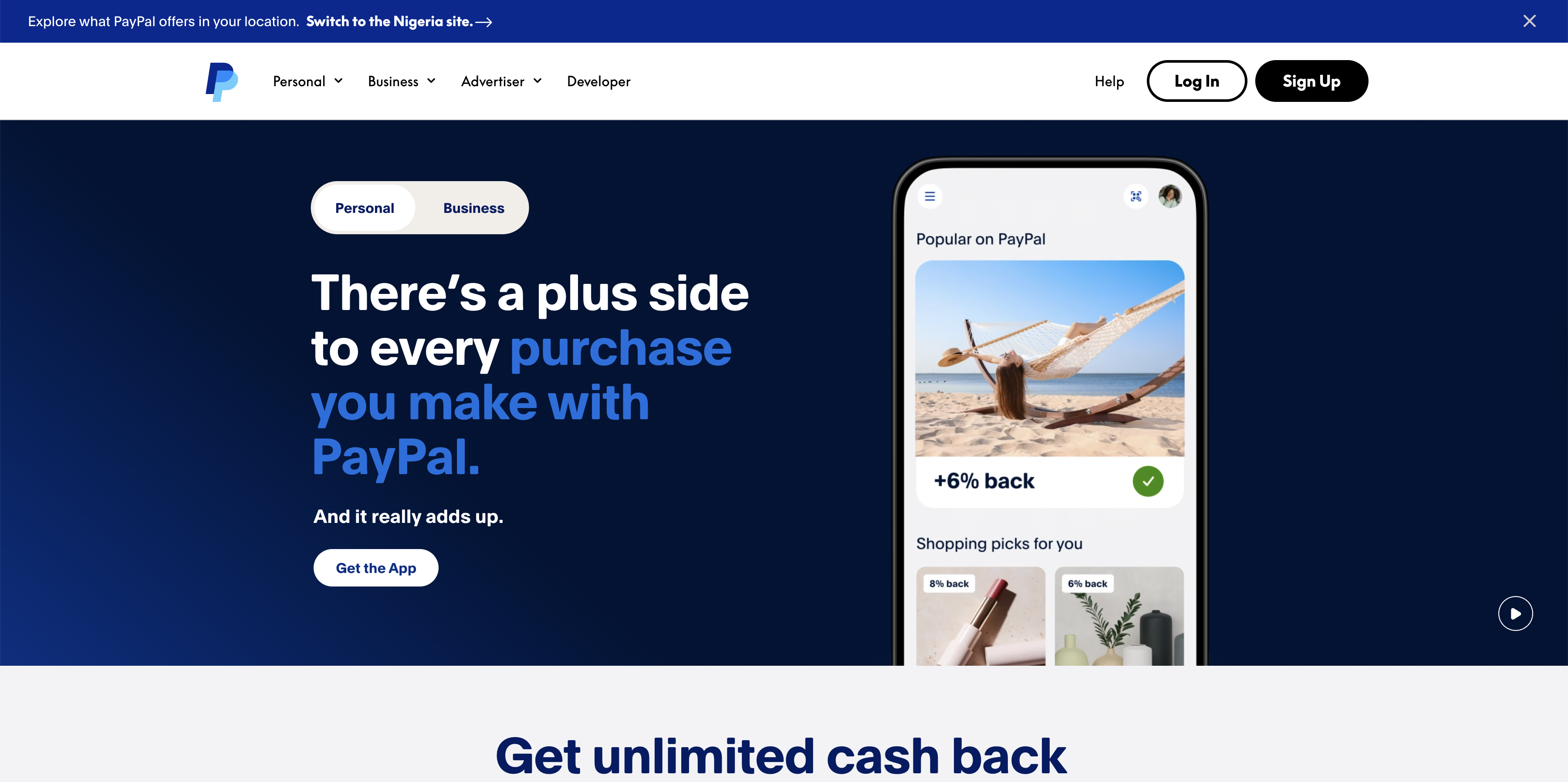
PayPal started in 1998 as Confinity, founded by Max Levchin, Peter Thiel, and Luke Nosek. Shortly after, it merged with X.com, an online finance startup created by Elon Musk. That merger shaped the modern PayPal product: fast, secure online money movement.
In 2002, eBay bought PayPal for $1.5 billion and made it the default payment method on the marketplace. That move pushed PayPal into millions of transactions per day.
In 2015, PayPal separated from eBay and became an independent, publicly traded company under the ticker PYPL. That spinoff let PayPal expand beyond eBay into retail checkout, subscriptions, invoicing, peer-to-peer payments, crypto, and small-business tools.
Today, PayPal operates in more than 200 markets and serves hundreds of millions of active accounts worldwide. They change each quarter as PayPal updates its filings.)
Venmo: The Social Payment App
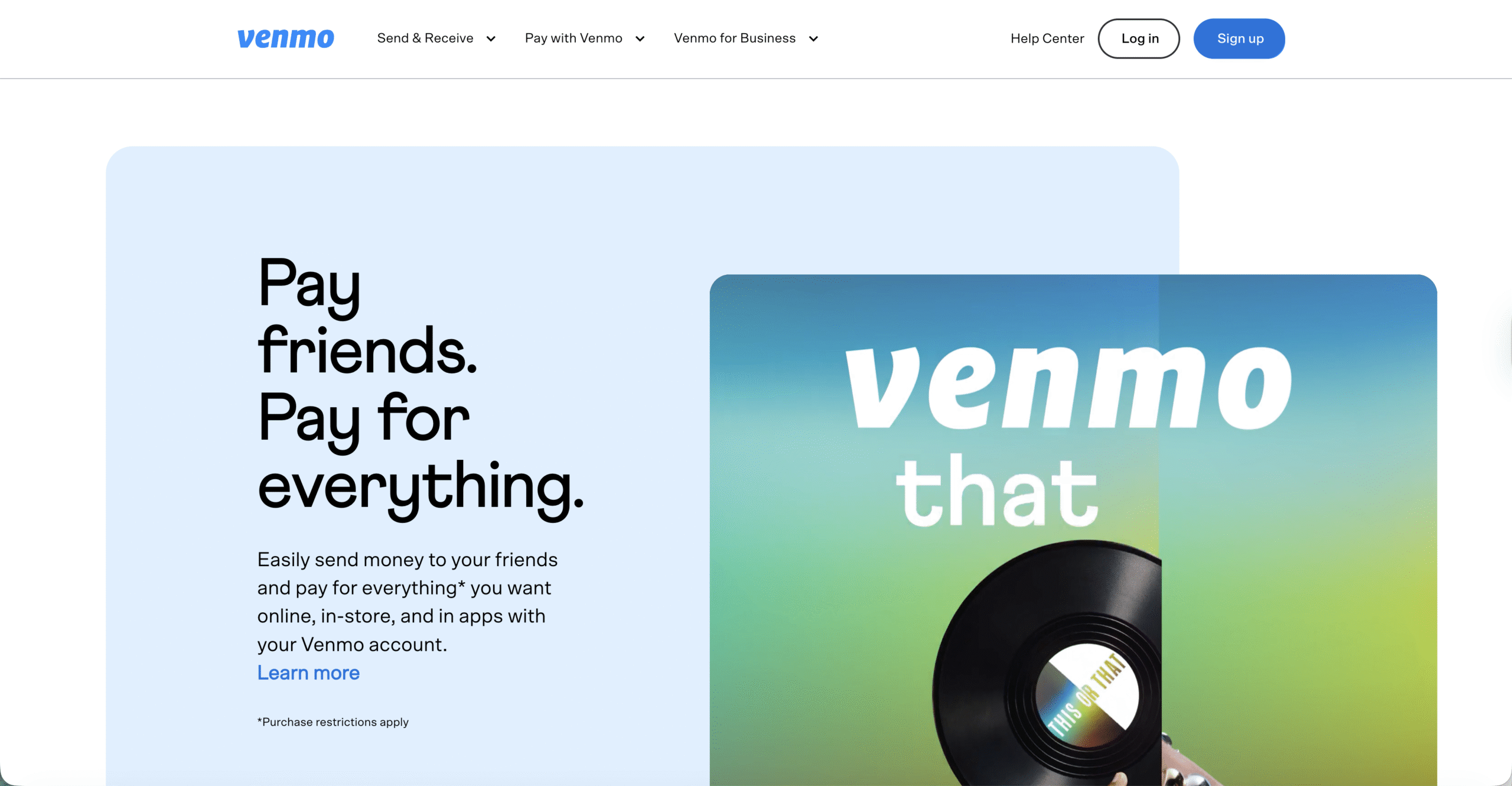
Venmo was founded in 2009 by Andrew Kortina and Iqram Magdon-Ismail. The original pitch was simple: stop making friends chase each other for cash. Venmo lets you pay someone back instantly and add a note or emoji so the payment feels social instead of awkward.
That social layer, public-ish payment notes, inside jokes, and a running feed, made Venmo especially popular with younger users. It wasn’t just “send $20.” It was “send $20 and make it part of the story of the night.”
In 2012, Venmo was acquired by Braintree, a mobile-focused payments company. In 2013, PayPal acquired Braintree for $800 million. That deal is how Venmo became part of PayPal.
How Venmo Fits Into the PayPal Ecosystem
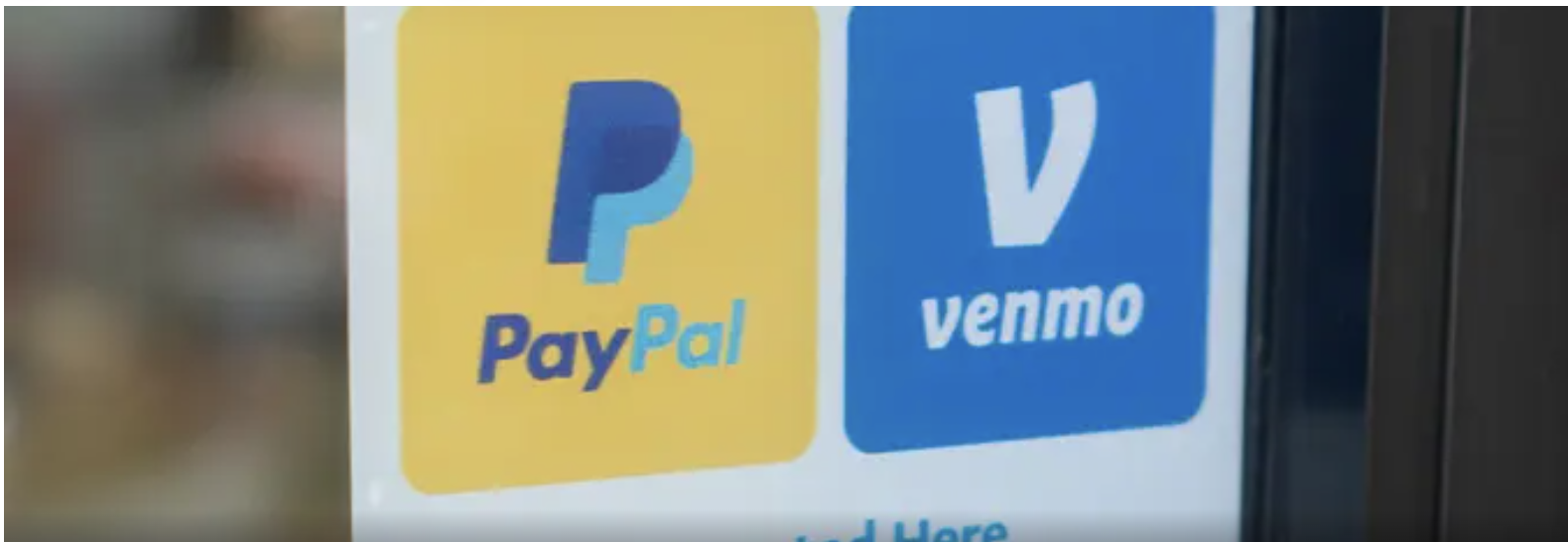
PayPal owns Venmo, but it still runs as its own product. That means different branding, a different app, and a different voice. The split is intentional.
- PayPal is positioned as the secure payments layer for businesses, freelancers, and online checkout worldwide.
- Venmo is positioned as the fast, casual, social way to send and receive money with people you know.
Even so, the two platforms increasingly connect behind the scenes. Venmo users can pay specific online merchants through PayPal’s checkout flow. Some PayPal merchants now show a “Pay with Venmo” option. And you can move money between the two ecosystems more easily than you could a few years ago.
Who Owns PayPal?
A single founder does not own PayPal. It’s a public company, which means its shareholders own it. Large institutional investors like Vanguard and BlackRock hold significant stakes. Day to day, PayPal is led by its executive team and board of directors. Its current CEO is Alex Chriss.
Elon Musk is often mentioned in PayPal’s origin story because his company, X.com, merged into what eventually became PayPal. That history matters. But he does not control PayPal today.
Who Owns Venmo?
Venmo is owned by PayPal Holdings, Inc. PayPal acquired Venmo in 2013, along with Braintree. Since then, Venmo has stayed under the PayPal umbrella and continues to operate as a PayPal subsidiary.
So when people ask, “Are PayPal and Venmo owned by the same company?” the answer is slightly more precise: Venmo is owned by PayPal. PayPal itself is owned by shareholders.
Is Venmo Just PayPal With Emojis?
Venmo borrows PayPal’s money movement infrastructure and compliance framework, but the two apps still behave differently. A quick comparison:
| Feature | Venmo | PayPal |
|---|---|---|
| Ownership | Subsidiary of PayPal Holdings, Inc. | Independent public company (NASDAQ: PYPL) |
| Primary audience | Friends, roommates, peers; mostly U.S.-based | Shoppers, sellers, freelancers, and global businesses |
| Social feed | Yes. You can see (and react to) payment activity unless users make it private. | No public feed. Transactions are private by default. |
| Business use | Venmo for Business (mostly small/local sellers) | Robust merchant tools, invoicing, subscriptions, checkout buttons |
| Geographic reach | Primarily United States | Available in 200+ markets worldwide |
| Spending in stores | Venmo Debit Card (Mastercard), tap to pay at supported merchants | PayPal Debit, PayPal Credit, PayPal Pay Later, QR code checkout |
| Crypto | Supported in-app (custody and crypto services provided through regulated partners such as Paxos) | Supported in-app, including buying and holding certain digital assets |
How Big Are PayPal and Venmo?
PayPal still handles enormous global volume for online checkout, subscriptions, and marketplace sales. Venmo, meanwhile, dominates casual peer-to-peer transfers in the U.S. and is increasingly used for small business payments and tipping.
Venmo has grown past tens of millions of active users and was processing well over $200 billion in annual payment volume. PayPal as a whole serves hundreds of millions of active accounts globally and processes far more than that. These figures come from PayPal’s most recent public earnings disclosures, and they continue to move each quarter. For the most current totals, always check PayPal’s latest quarterly report or earnings call transcript.
Strategy Going Forward
According to PayPal leadership guidance, PayPal plans to keep Venmo as its own brand rather than fold it into the main PayPal app. That strategy lets PayPal do two things at once:
- Protect Venmo’s identity as the go-to “split the bill” / “pay me back” app for social payments in the U.S.
- Use PayPal’s global reach, merchant network, fraud controls, and compliance engine to let Venmo plug into more places where people actually spend money, not just send money.
That includes letting more online stores accept Venmo at checkout, improving instant transfers, and tightening security as fraud gets more sophisticated. Some of these roadmaps have been mentioned in investor updates and business press (for example, CNBC’s February coverage of PayPal’s restructuring strategy). As with any forward-looking statement, plans can evolve, so this should always be checked against PayPal's most recent public statements.
FAQ: Venmo, PayPal, Ownership, and Security
Are Venmo and PayPal the same company?
Venmo is owned by PayPal Holdings, Inc. PayPal is a publicly traded company. So Venmo doesn’t stand alone; it sits under PayPal’s corporate umbrella, but it still runs as its own app and brand.
Does Elon Musk own PayPal or Venmo?
No. Elon Musk helped shape early PayPal when his company X.com merged into what became PayPal in 2000–2001, but he does not own PayPal or Venmo today. PayPal is owned by shareholders, and Venmo is owned by PayPal.
Can I link PayPal and Venmo?
In many cases, yes. PayPal has been integrating Venmo into its checkout stack. Some merchants now show Venmo as a payment option at checkout, and some users can move money between PayPal and Venmo faster than before. Availability still depends on your region and account setup.
Is Venmo safe to use?
Venmo uses encryption, account verification, multifactor prompts, and fraud monitoring backed by PayPal’s risk infrastructure. That said, Venmo is built for people you trust. It is not designed to offer the same level of buyer and seller protection you get with PayPal in a formal purchase dispute. For paying strangers for goods, PayPal is usually safer than Venmo.
Why does Venmo sometimes feel “public”?
Venmo has a social feed. By default, some activity can appear in that feed unless you change privacy settings. You can (and should) set transactions to “Private” if you don’t want payment notes and emojis visible to others. PayPal does not have a public feed — its transactions are private by default.
Who decides what happens next for Venmo?
PayPal controls Venmo’s roadmap. PayPal leadership has signaled that Venmo will stay a standalone brand but be pushed deeper into checkout and commerce, not just peer-to-peer transfers. Those plans can change with new product direction, quarterly performance, or leadership updates.
The Bottom Line
PayPal and Venmo are connected, but not interchangeable. PayPal is the parent. Venmo is the social layer. PayPal is global. Venmo is mostly U.S. PayPal is built for checkout and commerce. Venmo is built for people.
Both are part of the same story now: PayPal Holdings, Inc. uses Venmo to reach a younger, mobile-first audience without losing the trust and merchant relationships it built over two decades.
If you are paying an online seller or a marketplace overseas, you are probably using PayPal. If you are paying your roommate for rent, you are probably using Venmo. Behind both is the same corporate owner and a shared goal: to make moving money feel instant, normal, and safe.


Discussion (0)
Be the first to comment.