



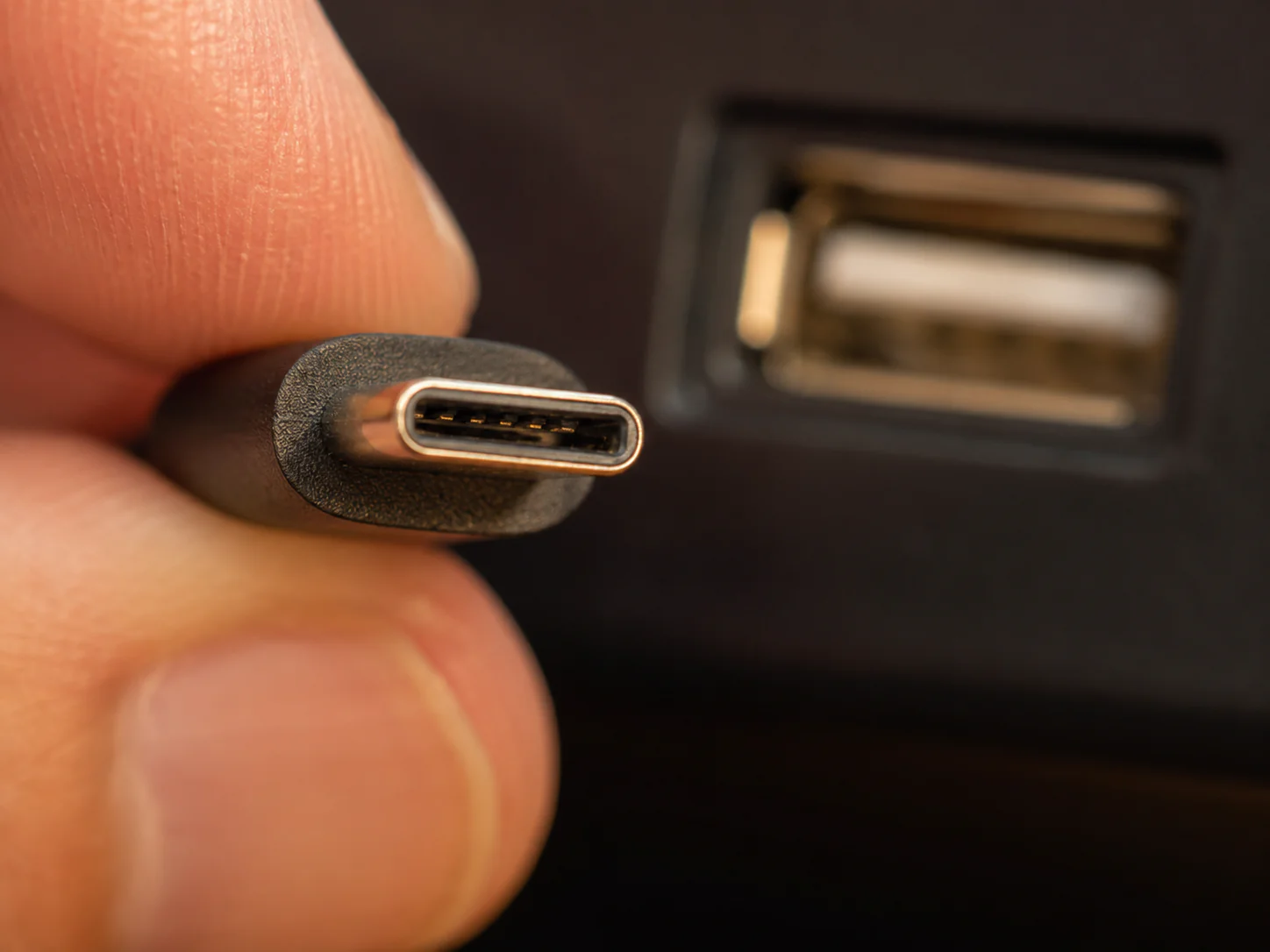
USB connectors have changed considerably over the years, but some designs have aged far better than others. A recent ranking of common USB connector formats puts USB C at the top, while MicroUSB takes the lowest position.
The ranking focuses on the physical connector designs rather than USB generations or transfer standards. In other words, it compares the shape, convenience and everyday usability of connectors such as USB A, USB B, MiniUSB and USB C rather than judging USB 2.0 against USB 3.0.
USB connector tier list
| Tier | Connector |
|---|---|
| S | USB C |
| A | USB B 3.0 |
| B | USB B |
| C | USB A, MiniUSB, MicroUSB B |
| F | MicroUSB |
USB C earns the highest position largely because of its reversible design and broad range of uses.
Unlike older USB connectors, you do not need to check which way the plug is facing before inserting it. USB C can also support charging, data transfer and video output, although actual capabilities still depend on the device, cable and USB specification being used.
USB B scores surprisingly well
USB B 3.0 takes the A tier position, while the older USB B connector lands in B tier.
USB B is most commonly associated with printers and other stationary hardware. Its large size can feel outdated compared with newer connectors, but that is less of a problem when the cable remains plugged into a device for long periods.
USB B 3.0 has an even larger and more unusual shape, but its sturdy design appears to have helped it rank above the standard version.
USB A remains useful but feels dated
The original USB A connector sits in C tier alongside MiniUSB and MicroUSB B.
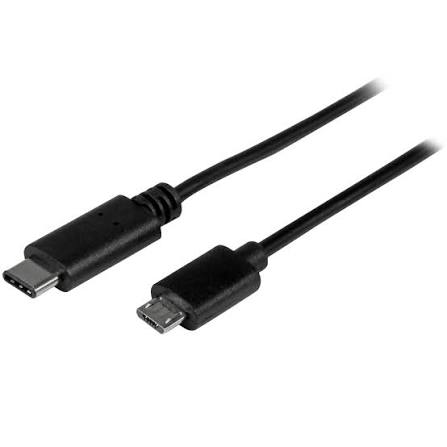
USB A remains extremely common across PCs, chargers, peripherals and other electronics. Its biggest physical weakness is that the connector is not reversible, which means you have to insert it in the correct orientation.
That limitation has become more noticeable as USB C adoption has increased.
MiniUSB also earns a C tier rating. It was once common on cameras, controllers and other electronics, and its larger construction can feel more durable than MicroUSB. However, it has largely disappeared from modern devices.
MicroUSB B, a wider connector sometimes found on older external drives and monitors, also lands in C tier. Its relative rarity can make replacement cables particularly inconvenient to find.
MicroUSB takes the F tier spot
Standard MicroUSB is ranked last.
The connector became widespread on Android phones, accessories, cameras and other devices before USB C became common. Its small size helped manufacturers build thinner products, but the connector is not reversible and can be frustrating to insert.
Older equipment also means many people still need to keep at least one MicroUSB cable despite having otherwise moved to USB C hardware.
USB C is not completely free of problems. Cables can support different charging speeds, data rates and video capabilities despite using the same physical connector, which can make compatibility confusing.
Even with those complications, its reversible shape and ability to handle power, data and video make USB C the most versatile physical USB connector currently in widespread use.



Discussion (0)
Be the first to comment.