




The future of home robots took a noticeable shift at CES, signaling a move away from flashy concepts and toward practical designs that fit real households. The event highlighted how robotics, AI, and smart home systems now intersect, creating devices with clearer goals and more achievable functionality. This new direction shows how companies hope to turn home robots into everyday tools rather than futuristic novelties.
As consumer robotics continues expanding into cleaning, home monitoring, mobility assistance, and companionship, CES offered a clear look at where the market is actually heading. While the main keyword, the future of home robots, what CES revealed, helps define the narrative, secondary terms such as home robot trends, CES smart home tech, AI robotics, and next-gen consumer robots frame the broader picture of how these devices are evolving.
Ballie Returns With A More Realistic Purpose

Samsung’s updated Ballie served as one of the most talked-about unveilings. The spherical robot, redesigned with a built-in projector and enhanced navigation tools, represents a more grounded approach to personal robotics. Instead of promising human-like assistance, Ballie positions itself as a moving smart home companion capable of projecting videos, checking on pets, or monitoring rooms.
Its presence at CES shows how companies are prioritizing achievable robotics powered by AI and environmental awareness. Even without a confirmed release timeline, Ballie reflects the shift toward practical robots that support everyday routines instead of trying to replace humans.
Robot Vacuums Still Dominate But Continue Evolving
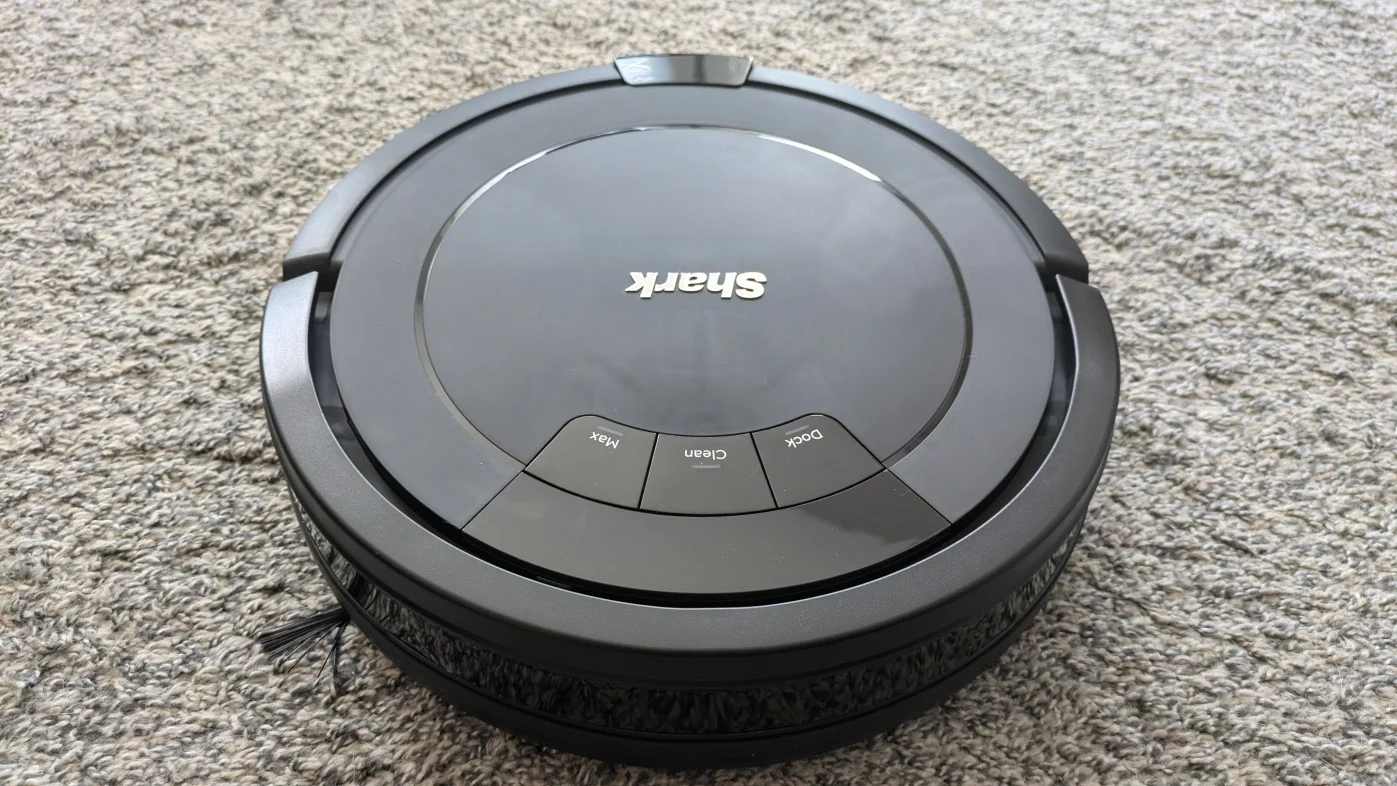
Over two decades after the first Roomba, robot vacuums remain the most successful category in consumer robotics. CES introduced improved docking stations, smarter mapping capabilities, and enhanced multi-surface cleaning methods. While many households already use these devices, companies see them as a foundation for broader robotics development.
The trend toward multi-function cleaners, robots that vacuum, mop, self-empty, and self-wash, reveals a push for more autonomy. However, they still fall into the single-purpose category, underscoring the industry’s struggle to create affordable robots capable of more than a few highly refined tasks.
Mobility And Security Robots Push Toward The Mainstream
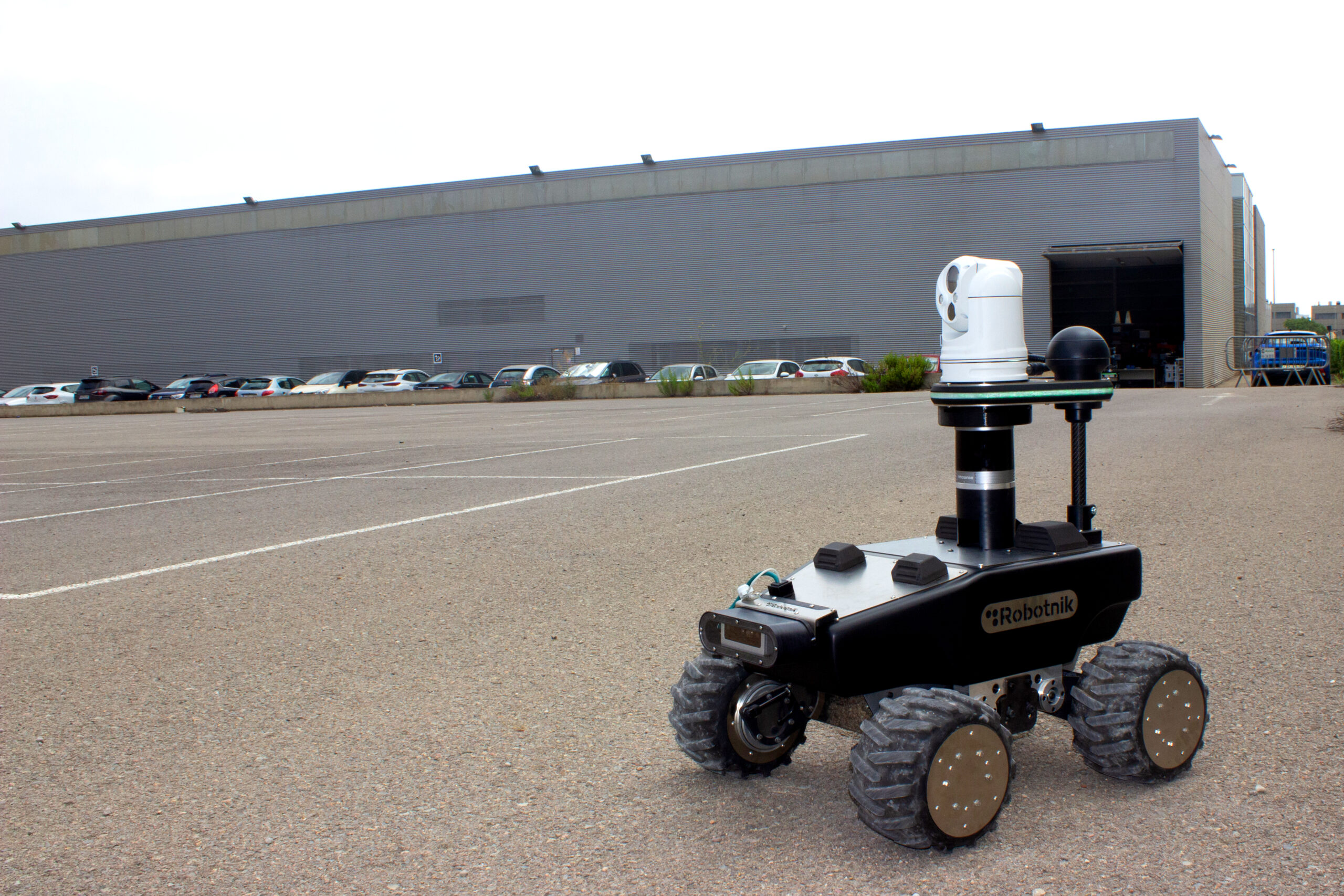
Security and home monitoring took center stage as manufacturers demonstrated robots designed to patrol homes, check for hazards, and sync with existing smart home platforms. These devices integrate AI recognition to identify people, pets, and potential anomalies. Their appeal lies in reducing manual monitoring without requiring complex installations.
Mobility-focused robots also appeared with the goal of supporting older adults or individuals with limited mobility. These robots highlight a growing intersection between robotics and age-tech, a field poised for significant expansion given demographic trends.
Generative AI Becomes A Key Pillar For Future Robots
Generative AI took a prominent role at CES, with many companies showcasing how models can enhance contextual understanding, voice processing, and adaptable behavior. While full AI-driven general-purpose robots remain years away, early implementations indicate how homes may one day feature robots that can learn faster, understand natural language better, and interact more fluidly with users.
This evolution positions AI not as a standalone feature but as the foundation for smarter, safer, and more intuitive robots designed for real homes.
Age-Tech Robots Highlight A Growing Market
With aging populations expanding across the US, Japan, and Europe, CES showcased several robots built to support independent living. Devices such as assistive smart carts, robotic companions, and AI-powered health monitors demonstrate how robotics may soon become essential household tools rather than niche gadgets.
These systems focus on mobility, medication reminders, communication support, and daily task assistance; features that align with both immediate needs and long-term care trends.
Troubleshooting Common Problems
Home robots may lose connectivity if placed too far from the router. Try relocating the charging base closer to a stable Wi-Fi zone.
If a robot struggles with navigation, clear obstacles or reset its mapping data through the companion app.
Firmware issues can cause sudden performance drops. Check for software updates frequently.
Battery degradation affects coverage. Keep the robot’s charging contacts clean and recalibrate when necessary.
Tips
- Place charging docks on hard, flat surfaces to improve docking accuracy.
- Use companion apps to fine-tune cleaning zones or security patrol routes.
- Check privacy settings when using AI-enabled robots with cameras or microphones.
- Review scheduled routines to prevent conflicts with household activity.
- Update firmware early to access new AI features and reliability improvements.
FAQ
Are home robots replacing traditional appliances? No. Most companies still design robots for specific tasks rather than full household assistance.
Is generative AI already fully integrated into home robots? Only partially. Early models use AI for recognition and voice interaction, but full integration is still developing.
Can home robots work without Wi-Fi? Some can perform basic actions, but most advanced features require a stable connection.
Are multifunction robots coming soon? Manufacturers are experimenting, but affordability remains the main barrier.
Summary
- CES highlighted a realistic shift in home robotics design.
- Ballie returned as a practical smart home companion.
- Robot vacuums continue to anchor the consumer robot market.
- Security and mobility robots gained strong momentum.
- Generative AI is shaping the next generation of home robot intelligence.
Conclusion
The future of home robots centers on useful, well-defined roles rather than sci-fi-inspired prototypes. Manufacturers now prioritize reliability, AI-powered interactions, and features people can use today. As these devices evolve, they will move closer to becoming essential tools in the modern home rather than optional accessories.


Discussion (0)
Be the first to comment.