


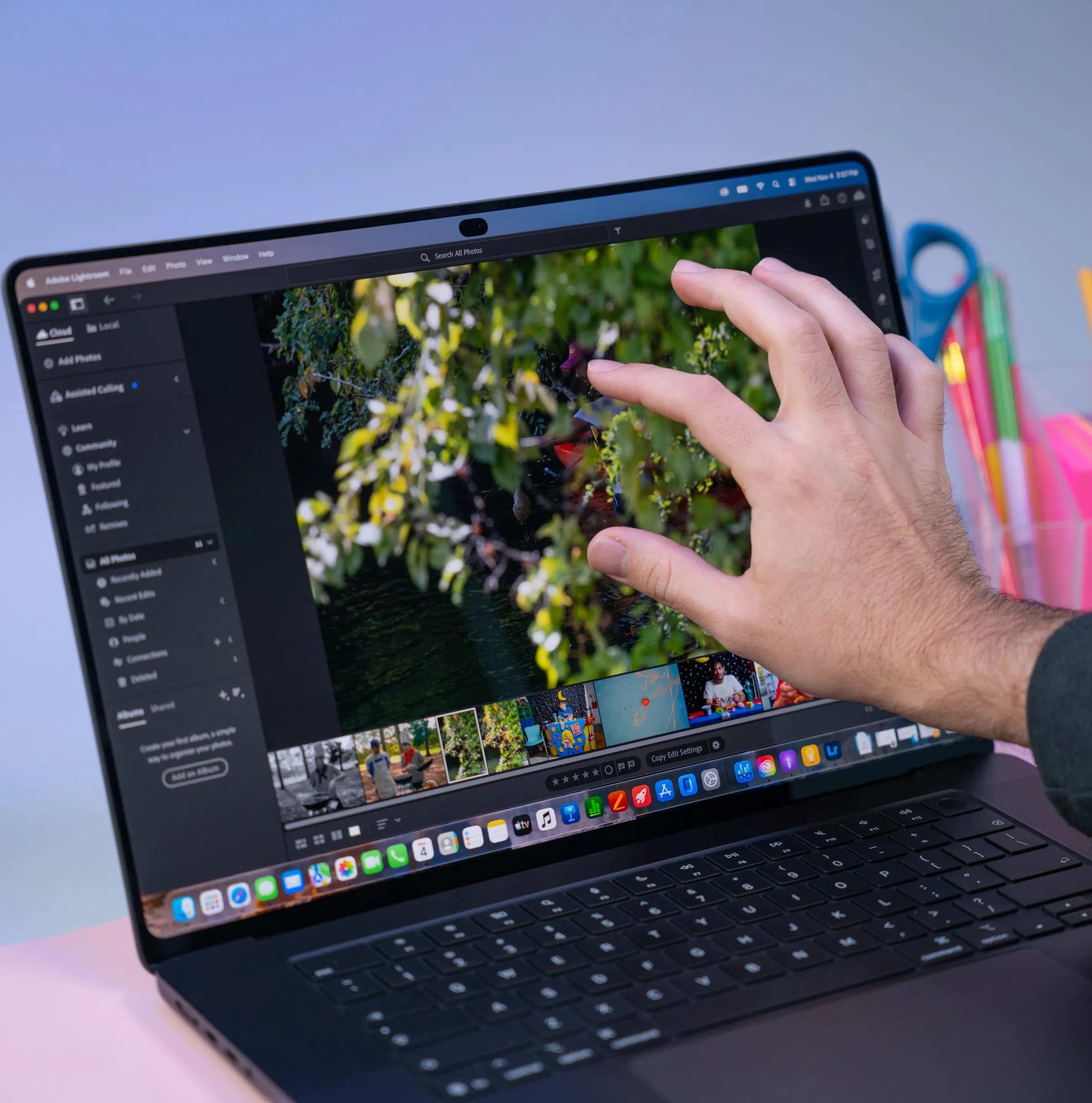
Apple has introduced touchscreen functionality to the MacBook Pro for the first time, bringing a feature that has been available on many Windows and Linux laptops for years.
The new touchscreen MacBook Pro goes on sale on November 6, 2026, allowing owners to interact directly with the display instead of relying entirely on a keyboard, mouse or trackpad.
The addition represents a significant change in Apple's approach to laptop interaction. Although the company has offered touch controls on iPads for years, its MacBook lineup has traditionally depended on conventional input methods.
The new models reportedly start at nearly $3,000, placing touchscreen functionality in the premium segment of Apple's laptop lineup.
Touchscreen MacBook Pro Could Lead to More Affordable Models
Apple's decision to introduce touch support on the MacBook Pro raises questions about whether the technology will eventually reach other MacBooks.
The MacBook Air is an obvious candidate for future expansion, although Apple has not confirmed plans for a touchscreen version.
For now, the feature remains limited to the new MacBook Pro models.
One important consideration is software compatibility. macOS applications have traditionally been designed primarily for keyboard, mouse and trackpad interaction.
Developers may need to adjust interface elements, menus and controls to make their applications more comfortable to operate through direct touch.
Windows experienced similar challenges as Microsoft expanded touchscreen support, particularly during the transition from Windows 8 to later versions.
Apple will likely face comparable decisions about balancing traditional desktop controls with touch interaction.
Touch Controls Could Improve Everyday MacBook Use
Touchscreen support offers another way to navigate applications, scroll through documents and interact with on screen elements.
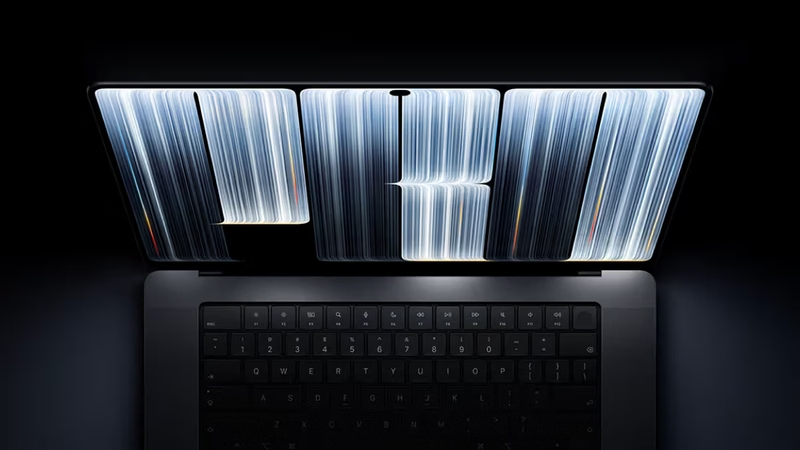
For some people, directly tapping the display can be more convenient than repeatedly moving between the keyboard and trackpad.
It may also provide an alternative input method for those who experience discomfort during prolonged mouse or trackpad use.
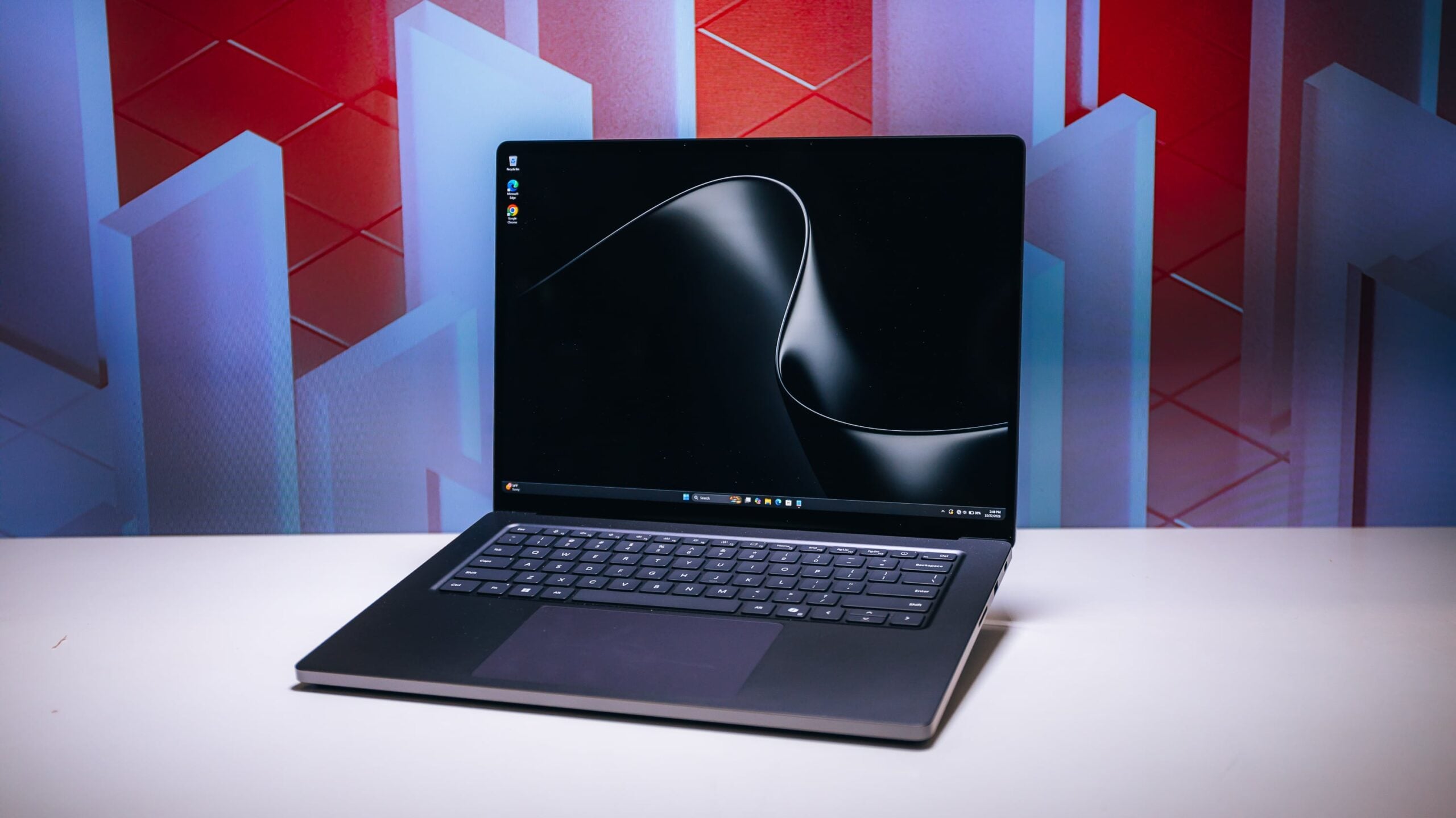
However, touchscreen laptops have practical drawbacks, including fingerprints, display movement and potentially awkward arm positions during extended use.
These limitations have existed on Windows laptops for years and will also apply to Apple's new hardware.
The announcement comes as the wider PC industry explores alternative hardware platforms and operating systems, including ARM processors and new approaches to gaming.
Apple's adoption of touchscreen technology adds another option to its laptop ecosystem.
Whether the feature becomes standard across the MacBook lineup will depend on customer demand, hardware costs and how effectively Apple and third party developers adapt their software for touch.
Discussion (0)
Be the first to comment.