


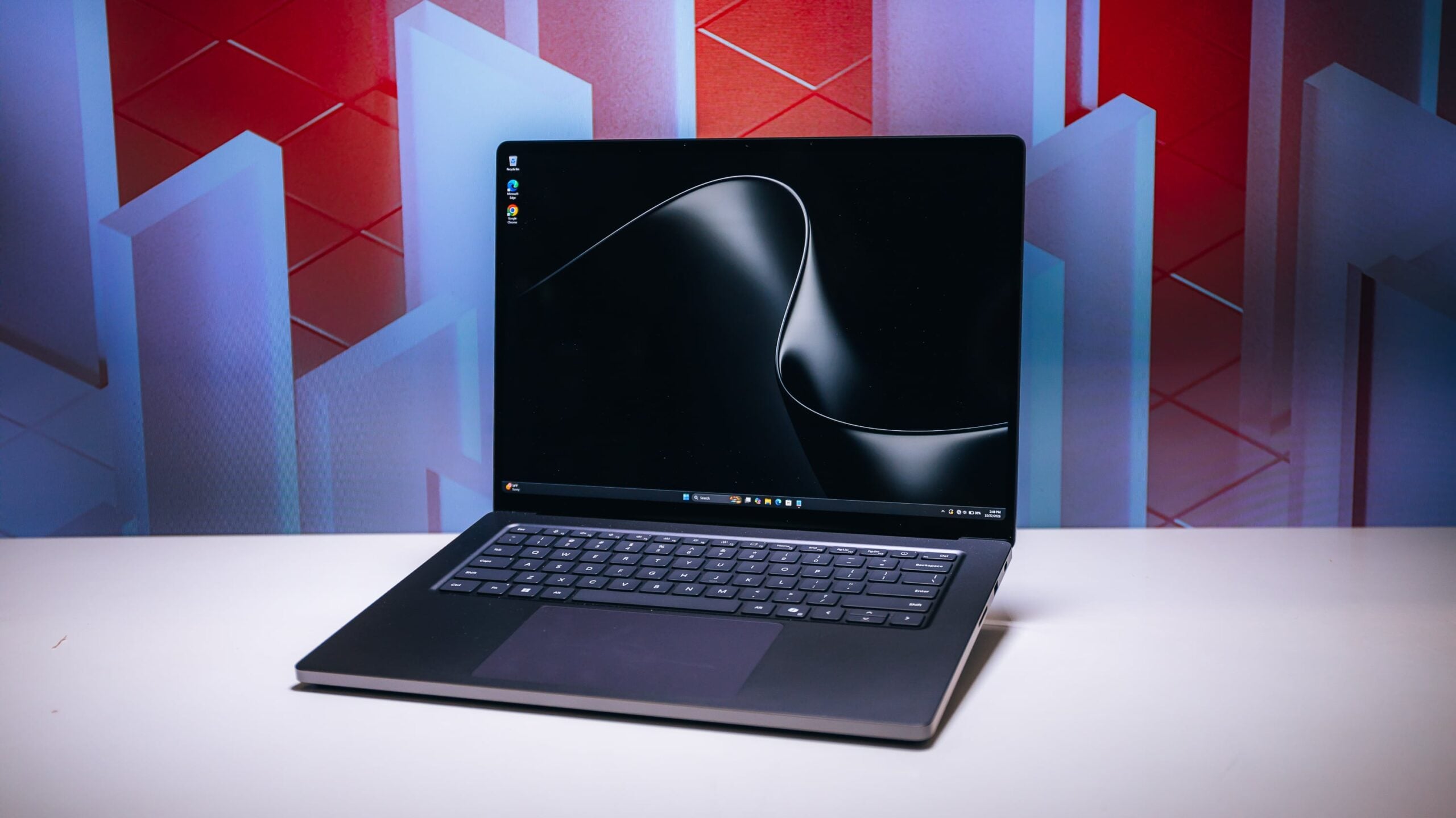
Lenovo's Pro 9n and Microsoft's Surface Laptop Ultra are among the first premium Windows laptops powered by Nvidia's RTX Spark platform, offering similar processing capabilities but different approaches to design, display technology and pricing.
A comparison based on several weeks of testing found that Lenovo's laptop offers several advantages, including a lighter chassis, an OLED display, a higher resolution webcam and support for stylus input through its touchpad.
Microsoft's Surface Laptop Ultra remains attractive for buyers who prioritize a brighter display, higher screen resolution and a lower starting price.
Both laptops feature Nvidia's N1X processor, available with 18 or 20 CPU cores and integrated RTX graphics.
Lenovo Pro 9n Offers a Lighter Design and OLED Display
The Lenovo Pro 9n weighs approximately 1.65kg, making it noticeably lighter than the 2kg Surface Laptop Ultra.
Lenovo's laptop is also thinner, measuring 16.7mm compared with Microsoft's 17.99mm to 19.16mm design.
Display technology is another important difference.
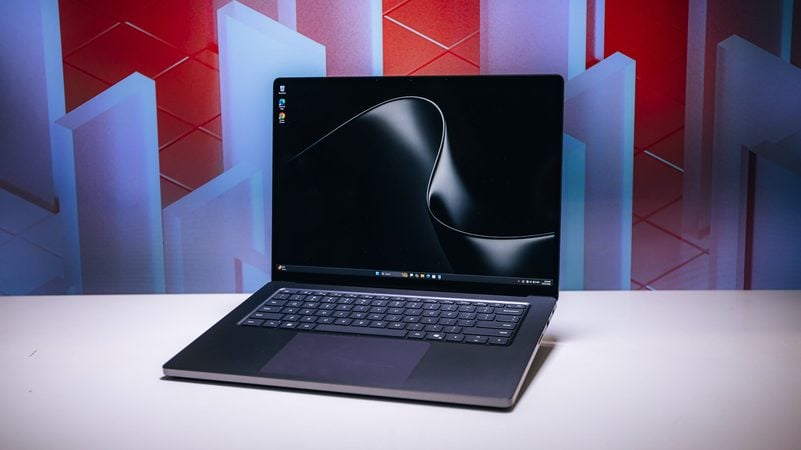
The Surface Laptop Ultra features a 15 inch Mini LED touchscreen with a resolution of 3270 × 2180, a 120Hz refresh rate and up to 1,000 nits of SDR brightness.
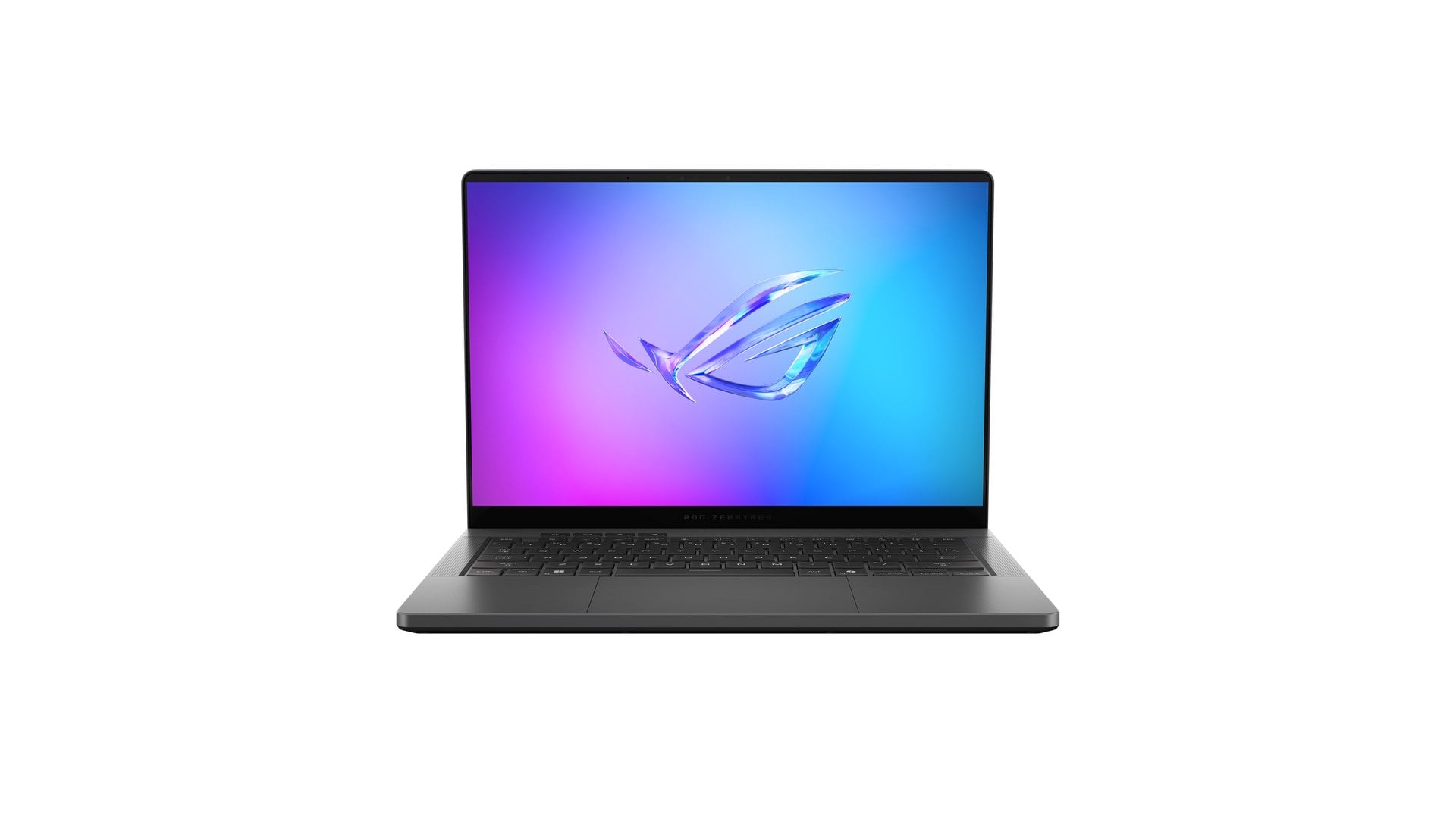
Lenovo uses a 15.3 inch OLED panel with a resolution of 2560 × 1600 and a higher 165Hz refresh rate.
Although Microsoft's display offers more pixels and greater brightness, Lenovo's OLED panel provides deeper blacks without the blooming sometimes visible around bright objects on Mini LED screens.
The Pro 9n also supports Nvidia G Sync, making its display particularly suitable for gaming.
Surface Laptop Ultra Starts at $2,599.99
Both manufacturers offer several hardware configurations, but their pricing structures differ.
| Specification | Surface Laptop Ultra | Lenovo Pro 9n |
|---|---|---|
| Processor | Nvidia N1X, 18 or 20 cores | Nvidia N1X, 18 or 20 cores |
| GPU | 5,120 or 6,144 cores | 5,120 or 6,144 cores |
| Display | 15 inch Mini LED, 120Hz | 15.3 inch OLED, 165Hz |
| Maximum RAM | 128GB | 128GB |
| Weight | 2kg | 1.65kg |
| Starting price | $2,599.99 | $2,999.99 |
Microsoft's entry level configuration includes 24GB RAM and 512GB storage, while Lenovo begins with 32GB RAM.
At higher specifications, the pricing difference becomes smaller.
A Lenovo Pro 9n with a 20 core processor, 64GB RAM and 1TB storage costs $4,249.99, compared with $4,299.99 for a similarly configured Surface Laptop Ultra.
Battery Life and Performance Are Similar
Testing found that both laptops deliver approximately 10 hours of battery life during lighter tasks such as web browsing, document editing and video streaming.
More demanding workloads, including gaming and local AI processing, significantly reduce runtime.
Performance is also broadly comparable when using similar Nvidia N1X configurations.
Lenovo offers additional conveniences, including a higher resolution webcam, upward facing speakers and a haptic touchpad that supports handwriting with the included Yoga Pen 2.
Microsoft counters with a magnetic USB C charging connection and a more compact overall footprint.
The Lenovo Pro 9n appears to offer better value for buyers seeking premium features and higher memory configurations.
However, the Surface Laptop Ultra remains the more affordable entry point into Nvidia's RTX Spark laptop platform.


Discussion (0)
Be the first to comment.