




Robots now operate in homes, hospitals, factories, and disaster zones. At the time of writing, robotics continues to evolve rapidly due to advances in sensors, AI, and automation. Understanding the main types of robots helps you see how each category solves a specific problem, improves efficiency, or enhances human capabilities. Below is a clear, updated look at the most common robot types used today and what makes each category different.
Aerospace robots
Aerospace robots support air and space exploration. They handle navigation, repairs, and tasks that require precise control in dangerous or inaccessible environments.
Examples
Mars rovers, autonomous drones used for research, robotic arms on spacecraft.

Consumer robots
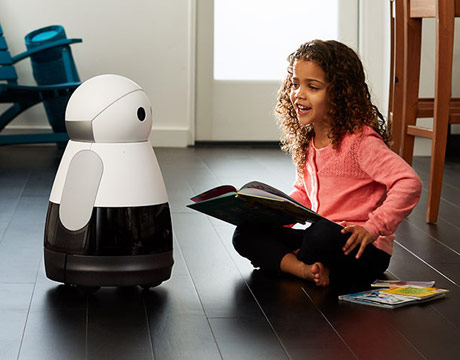
Consumer robots are designed for home use and personal convenience. They automate simple tasks and improve day-to-day comfort.
Examples
Robot vacuums, lawn-mowing robots, educational coding bots, home assistants.
Disaster response robots
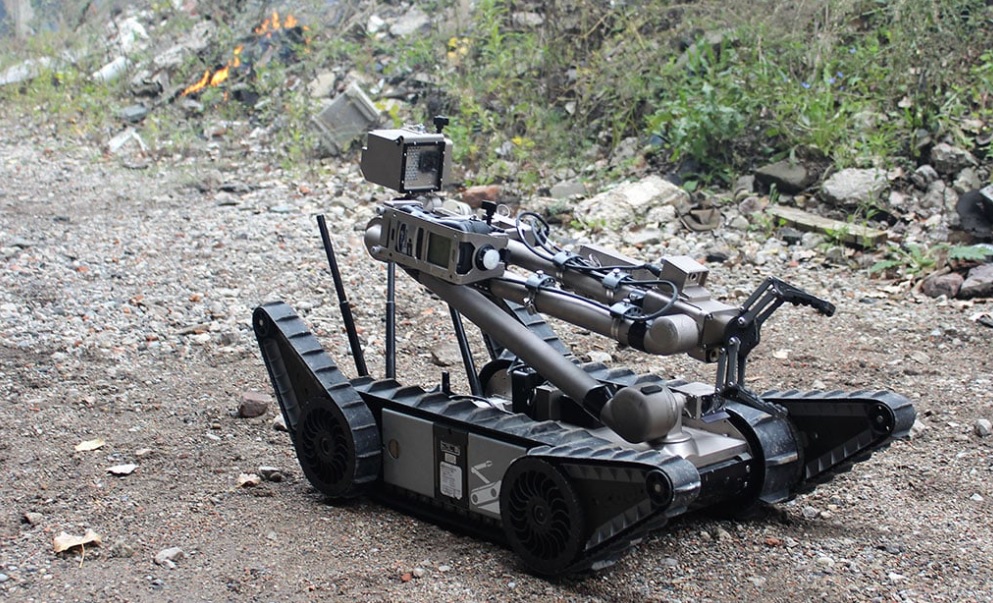
These robots navigate unstable or hazardous environments. Their goal is to find survivors, assess structural damage, or neutralize threats.
Examples
Nuclear inspection bots, search-and-rescue robots, structural-assessment crawlers.
Drones
Drones are autonomous or remotely controlled aircraft. They capture aerial data, deliver goods, and perform monitoring tasks.
Examples
Quadcopters, fixed-wing drones, long-range surveillance drones.
Education robots
Education robots help students learn coding, engineering, and problem-solving. They make STEM concepts more practical and hands-on.
Examples
Programmable kits, classroom robots, AI learning bots.
Entertainment robots
These robots are designed to perform, interact, or entertain. They rely heavily on expressive movement and character-like behavior.
Examples
Robot actors, theme-park animatronics, competitive robot toys.
Exoskeleton robots
Exoskeletons assist mobility and strength. They support medical rehabilitation or enhance physical output in industrial settings.
Examples
Medical mobility suits, load-bearing industrial exosuits.
Humanoid robots
Humanoids mimic human appearance and motion. They function in environments designed for people and support research in human-robot interaction.
Examples
Asimo, Atlas, lifelike social robots.
Industrial robots
Industrial robots automate repetitive or high-precision tasks. They improve production speed, consistency, and safety.
Main categories
- Articulated robots
- SCARA robots
- Cartesian robots
- Cylindrical robots
- Delta robots
- Polar robots
Examples
Automated welders, assembly-line arms, warehouse picking robots.
Medical robots
Medical robots support surgery, diagnostics, and rehabilitation. They increase precision and assist medical professionals.
Examples
Surgical robots, robotic prosthetics, micro-robots in clinical research.
Military and security robots
These robots protect personnel by handling surveillance, reconnaissance, or hazardous tasks.
Examples
Explosive ordnance robots, patrol robots, tactical support robots.
Research robots
Research robots test new technologies, materials, or algorithms. They drive innovation across engineering and science.
Examples
Experimental walking robots, robotics lab prototypes, robotic test platforms.
Self-driving robots
Self-driving robots use sensors and AI to move independently. They operate in traffic, warehouses, and controlled environments.
Examples
Autonomous cars, delivery robots, warehouse transport units.
Telepresence robots
Telepresence robots allow users to be “virtually present” in another location. They support remote work, healthcare, and site inspections.
Examples
Rolling conference bots, remote medical assessment robots.
Underwater robots
Underwater robots explore deep or hazardous marine environments that are too dangerous for divers.
Examples
Autonomous underwater vehicles, submarine drones, robotic divers.
Troubleshooting common problems
If a robot stops responding or performs inaccurately, basic checks can help restore functionality.
- Restart the robot and recalibrate its sensors.
- Check battery levels or power connections.
- Update firmware to resolve performance issues.
- Review the environment for obstacles blocking movement.
Tips
- Choose robots with easily replaceable parts to reduce long-term costs.
- Update software routinely to improve accuracy and safety.
- Place robots in controlled environments when testing new features.
FAQ
What defines a robot?
A robot is a programmable machine that can perform tasks using sensors, processors, and actuators.
Which robot type is most common?
Industrial robots are the most widely used because they handle repetitive manufacturing tasks efficiently.
Are humanoid robots used in daily life?
Humanoids are still developing but are used in labs, customer service, and some assistive-care roles.
Are robots replacing human workers?
Robots typically replace repetitive or hazardous tasks while creating new roles in robotics maintenance and oversight.
What is the fastest-growing robot category?
Service robots, including home assistants and logistics robots, are expanding quickly due to AI adoption.
Summary
- Robots now assist in manufacturing, medicine, research, and personal use.
- There are more than a dozen major robot categories.
- Each category supports a specific industry or workflow.
- Modern robots rely on AI, sensors, and automation for efficiency.
- Routine updates and calibration help maintain performance.
Conclusion
Robots continue to expand into nearly every field, from aerospace to consumer products. Understanding the types of robots helps you see how automation shapes today’s workflows and tomorrow’s innovations. As technology advances, new categories will emerge, and existing robots will become more capable, accessible, and integrated into everyday life.


Discussion (0)
Be the first to comment.