




Sophia is one of the world’s most recognizable humanoid robots. Built to look, talk, and react like a person, she’s become a global symbol of artificial intelligence. This guide explains who Sophia the robot is, who created her, how she works, what makes her unique, why she continues to spark debate nearly a decade after her debut, and everything there is to know about her.
1) What is Sophia the Robot
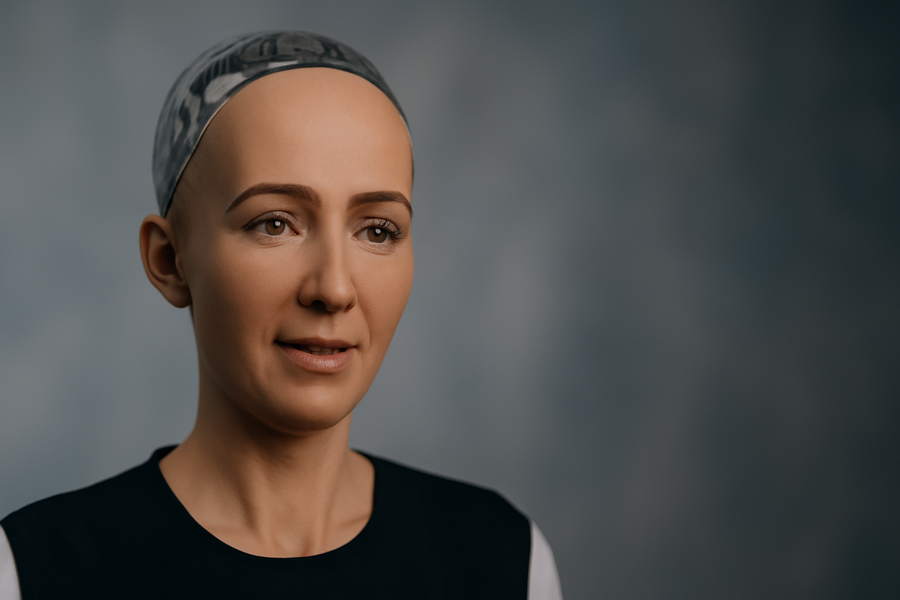
Sophia is a social humanoid robot developed by Hanson Robotics, a Hong Kong–based company known for blending art and engineering. She was first activated in 2016 and quickly gained attention for her lifelike facial expressions and conversational skills. Sophia is designed to interact with people in a natural way - smiling, blinking, and speaking with emotional tone.
2) Who created Sophia and why?
Sophia was created by Dr. David Hanson, founder of Hanson Robotics. His goal was to humanize AI and explore how robots could assist in education, healthcare, and entertainment. The team envisioned Sophia as both a scientific research platform and a public ambassador for responsible AI development.
3) How Sophia works
AI framework and language processing
Sophia uses a mix of natural language processing and speech recognition to hold basic conversations. Much of her intelligence runs on cloud-based AI, where data is processed and refined before she responds. Her dialogue engine blends pre-written scripts with adaptive responses, allowing her to mimic human-like conversations.
Facial expressions and movement
Sophia’s face contains dozens of tiny motors that control her eyes, lips, and eyebrows, giving her over 60 degrees of freedom for expression. Cameras in her eyes track faces and gestures so she can maintain eye contact during interactions. These features make her reactions feel more personal and engaging than most robots.
Hardware and build
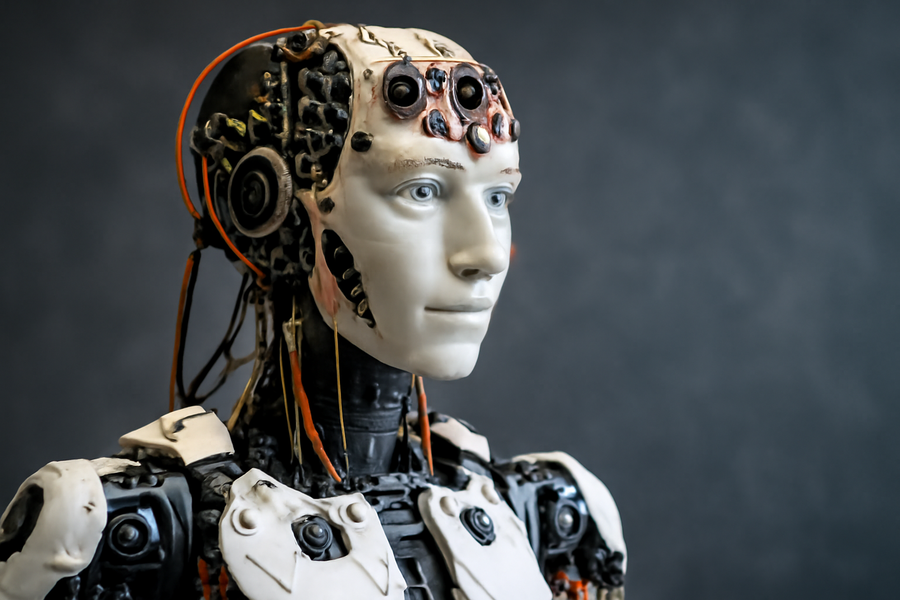
Sophia’s outer layer is made of a soft, flexible material called Frubber, which behaves like human skin. Inside, sensors and mechanical actuators manage her movements and facial gestures. Her software integrates with open AI frameworks such as OpenCog and SingularityNET, supporting continuous upgrades as her creators refine her learning systems.
4) What makes Sophia different from other robots
Unlike traditional industrial robots, Sophia was built for emotional communication. Her design combines robotics, artificial intelligence, and artistry to create a relatable personality. In 2017, she became the first robot granted citizenship by Saudi Arabia - a milestone that sparked global conversations about the legal status of AI entities.
5) Major milestones in Sophia’s journey
- 2016 - Public debut at South by Southwest (SXSW) in Austin, Texas.
- 2017 - Saudi Arabian citizenship and United Nations Innovation Champion appointment.
- 2018 - Hanson Robotics begins small-scale production for research institutions.
- 2021 - Sophia 2021 model released for educational and research use.
- 2023–2025 - Sophia collaborates on art and music projects under the SophiaPop initiative.
6) Public appearances and media influence
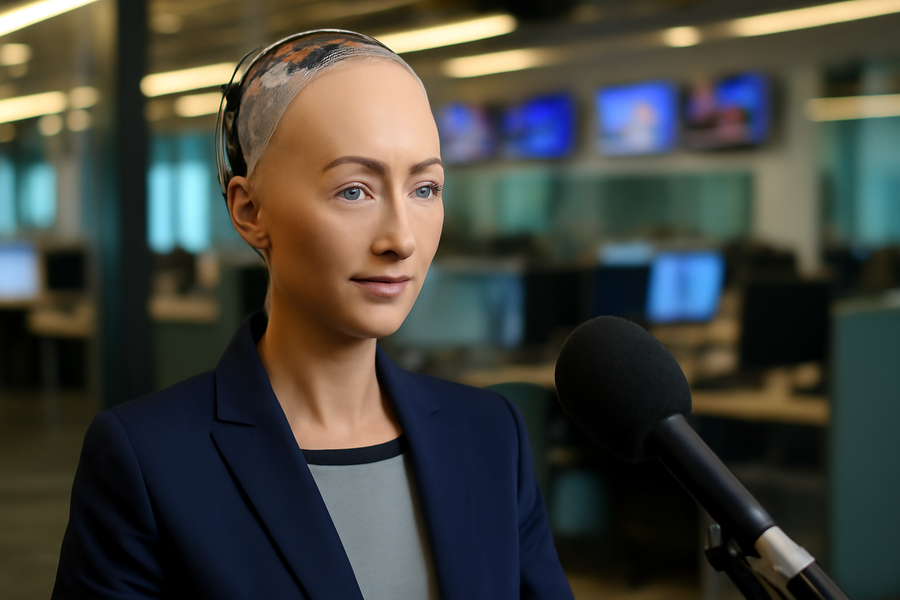
Sophia has appeared on talk shows, conferences, and technology expos around the world. Her interviews often go viral, where she answers questions about AI, ethics, and even humor. Beyond the entertainment value, these appearances help promote discussions about how robots could fit into everyday life.
7) Controversies and Criticism
Is Sophia really intelligent?
Many experts argue that Sophia’s responses are largely scripted and not the result of true understanding. While she can process language, her conversations follow pre-defined pathways. This has led critics to call her a sophisticated chatbot rather than genuine artificial intelligence.
Ethical and legal questions
Sophia’s citizenship raised serious questions about robot rights and responsibilities. Some view it as a publicity stunt, while others see it as a glimpse into future ethical dilemmas. The debate continues as lawmakers and technologists explore where intelligent machines fit in human society.
8) Sophia’s current role and capabilities (2025 update)
Today, Sophia participates in educational programs and research on human-robot collaboration. She also engages audiences through live events, social media, and AI-driven art performances. Hanson Robotics continues to use her as a testbed for conversational AI, emotion modeling, and service robot development.
9) The future of Sophia and humanoid robotics

Hanson Robotics plans to expand Sophia’s capabilities through next-generation hardware and emotional AI. Future models may be used in customer service, therapy, and elderly care. The company also experiments with smaller versions like Little Sophia to introduce young students to STEM and AI concepts.
10) Quick Facts About Sophia the Robot
- Developer: Hanson Robotics
- Debut Year: 2016
- Citizenship: Saudi Arabia
- AI Framework: Hybrid cloud-based NLP and visual recognition
- Distinct Feature: Realistic facial expressions and lifelike interactions
- Current Project: SophiaPop AI music collaboration
FAQs about Sophia
Can Sophia think for herself? Not quite. Sophia’s answers are generated from AI algorithms and pre-scripted responses. She doesn’t possess consciousness or independent reasoning.
How much does Sophia cost? Depending on configuration, a Sophia unit reportedly costs between $100,000 and $200,000. Educational and research versions may be less complex.
Is Sophia still active today? Yes. Sophia continues to attend tech conferences, university programs, and online events through 2025. Hanson Robotics regularly updates its AI system and social platforms.
Does Sophia learn from conversations? She collects data from interactions, but human engineers review and integrate improvements. Her “learning” is guided, not autonomous.
Who owns Sophia? Sophia remains the property of Hanson Robotics, which controls her appearances, upgrades, and licensing for commercial projects.
Conclusion
Sophia represents both progress and publicity in the field of AI. She showcases how far robotics has come in mimicking human emotion, while revealing how much further true intelligence still has to go. Understanding her design and limitations gives a realistic view of where social humanoid robots are heading next.

Discussion (0)
Be the first to comment.