




Robotics has grown into one of the most important fields in modern technology. When people ask what is robotics, they are referring to the science and engineering behind designing, building, and programming robots that can perform tasks traditionally handled by humans. At the time of writing, robotics technology powers industries ranging from manufacturing and medicine to environmental protection and home automation.
Robotics continues to evolve quickly, and understanding how robots work makes it easier to appreciate their impact on daily life. This guide explains the core concepts of robotics, the main types of robots, how they operate, and where robotics is used today.
What Robotics Means
Robotics is the discipline that focuses on creating machines capable of sensing, moving, and making decisions. A robot can complete repetitive, dangerous, or complex tasks with precision, allowing people to focus on work that requires creativity or advanced judgment. Robotics technology blends mechanical engineering, electronics, and computer software to create intelligent systems capable of real-world action.
In simple terms, robotics makes machines think about their environment and respond in useful ways. This ability is what makes robots valuable in almost every major industry.
Core Components Of Robotics
Every robot uses a combination of mechanical design, electrical systems, and software that defines how it behaves. Understanding these components helps clarify how robots function in real-world environments.
Mechanical Construction
The mechanical structure of a robot determines how it moves and interacts with its surroundings. Robots may have wheels, tracks, articulated arms, protective casings, or underwater housings, depending on their purpose. The exterior of a robot is comparable to the human body, providing physical strength and mobility.
Electrical Components
Electrical parts power the robot and control its internal operations. Batteries, sensors, motors, and actuators work together to convert electrical energy into motion. The actuator acts like a muscle, turning signals into physical movement and enabling the robot to complete tasks.
Robot Software
Software acts as the robot’s brain. It instructs the machine on what to do and how to react. Robots may use basic command-based software, advanced artificial intelligence, or hybrid systems combining autonomy and human control.
- Remote-Control Software: Executes commands from a human operator and follows predefined actions.
- Artificial Intelligence: Enables robots to respond to objects and situations without direct human input.
- Hybrid Systems: Mix autonomous capabilities with optional manual control when needed.
This combination of mechanical engineering, electrical power, and smart software makes robotics technology flexible and extremely capable.
Types Of Robotics
Robotics includes a wide variety of robot designs, each built to perform specific tasks. Although robots appear in countless forms, most fall into familiar categories based on how they are constructed and used.
Industrial Robots
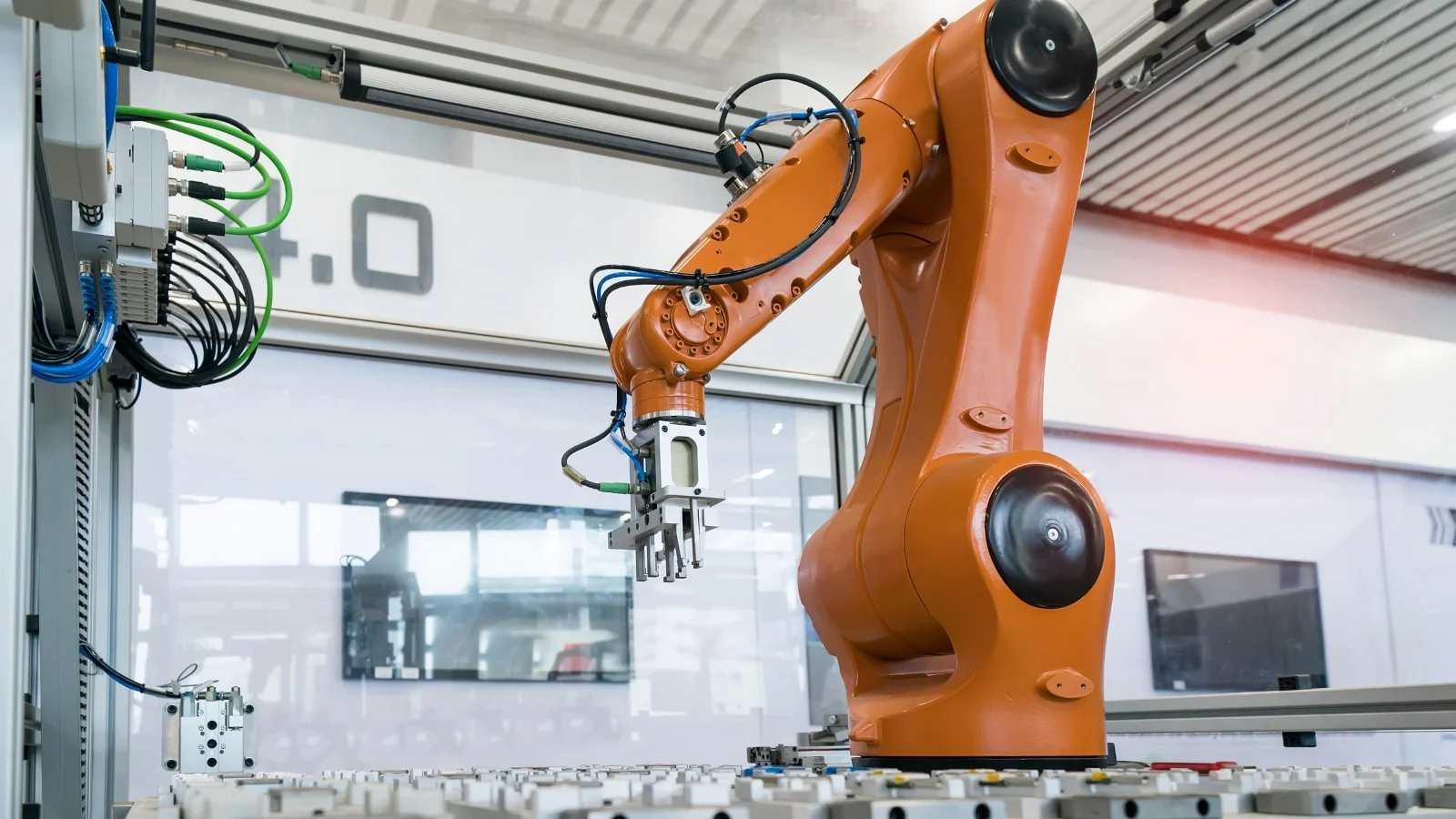
Industrial robots have operated in factories since the 1960s. They excel at repetitive, high-precision tasks and often handle work that is dangerous or requires extreme consistency.
- Welding
- Assembly
- Palletizing
- Product inspection
- Testing and quality control
Newer collaborative robots, often called cobots, now work safely beside humans to improve efficiency without replacing oversight or creativity.
Agricultural Robots
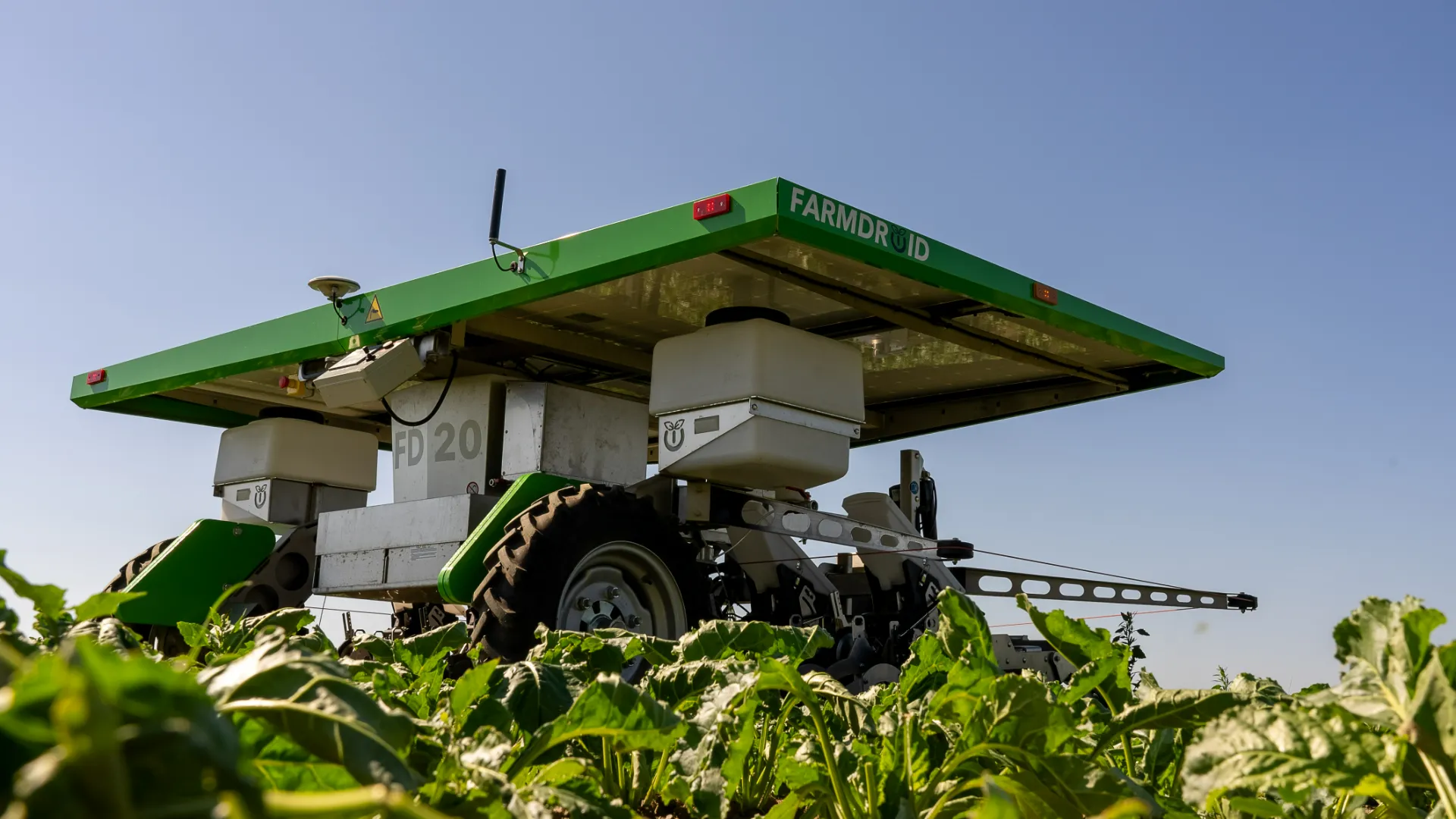
Agricultural robotics, or AgRobots, support food production by automating labor-intensive tasks. These machines improve harvest efficiency and help manage large-scale farming operations.
- Planting and seed distribution
- Fruit picking
- Driverless tractors
- Weed control
- Environmental monitoring
Environmental Robots
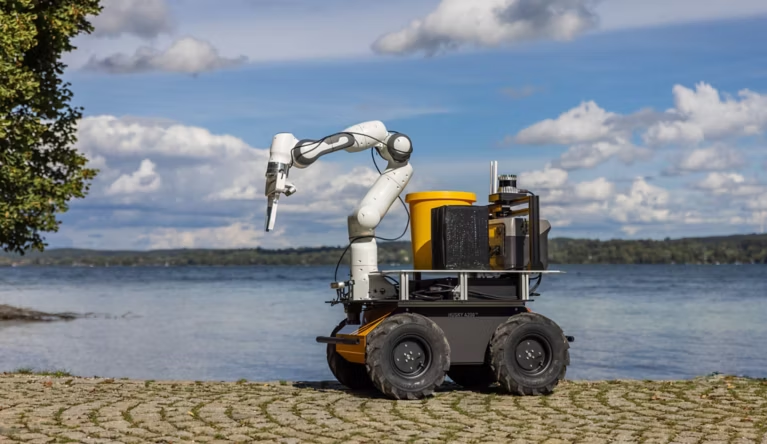
Robots also support environmental protection. They remove waste, monitor ecosystems, and perform tasks that improve sustainability.
- Sorting recyclable materials
- Removing pollution from water sources
- Planting trees
- Controlling invasive species
- Harvesting renewable energy systems
Other Robotics Applications
Robotics appears in many other areas, each benefiting from precision and automation.
- Military tools and search-and-rescue missions
- Medical robotics for surgery and rehabilitation
- Construction automation
- Home robotics such as cleaning devices and smart assistants
Robotics Tools And Components
Modern robotics uses both hardware and software components that developers can assemble into complete robotic systems. Many companies also offer kits that simplify robot creation for learning or prototyping.
Typical robotics tools include:
- Actuators and motors
- Chassis and mechanical frameworks
- Wheels and limbs with multiple degrees of freedom
- Electrical wiring and power supplies
- Robotics APIs for software control
- Programming tools for motion, sensing, and automation
Robotics kits bundle these parts into ready-to-build packages, making it easier to understand how robots operate from the inside out.
Future Trends In Robotics
Robotics will continue to expand as new technologies emerge. Many industries already rely on intelligent machines, and experts expect several major trends to shape the future of robotics.
IoT And Smart Sensors
Robots equipped with smart sensors will collect more data and communicate with connected devices. This improves efficiency in manufacturing, agriculture, and logistics.
Cybersecurity Improvements
As robots gain online connectivity, protecting them from cyber threats becomes essential. Stronger encryption, secure communication, and safer firmware updates will grow in importance.
Big Data And Analytics
Future robots will gather and process large amounts of data, helping organizations make informed decisions and build smarter automation systems.
Virtual Robots And Simulation
Robotics companies increasingly use virtual models to test ideas before building physical robots. This reduces cost and speeds up development.
Growth Of Collaborative Robots
Cobots will become even more capable, providing safe and affordable automation alongside human workers in more industries than ever before.
Troubleshooting Common Problems
- You cannot tell the robot type by appearance ➝ Compare structural components such as wheels, arms, tracks, or sensor modules to known robot categories.
- Robot does not move or respond ➝ Check the power source, battery, wiring, or actuator connections; many failures come from electrical issues.
- Software will not run the robot ➝ Ensure the robot supports the required programming environment or firmware version.
- Sensors are inaccurate ➝ Clean the sensor surfaces, recalibrate, or check for loose connections on the internal wiring.
- Robot behaves unpredictably ➝ Faulty code, conflicting AI instructions, or incorrect sensor data may cause erratic actions.
- Connectivity problems with remote-controlled robots ➝ Check wireless pairing, signal interference, or controller battery levels.
- Robot kit won’t assemble correctly ➝ Verify that the mechanical parts match the instructions; many kits use similar-looking but incompatible pieces.
Tips
- Learn basic robotics terms like actuators, sensors, degrees of freedom, and control loops to better understand robot behavior.
- Start with simple robot kits before moving on to advanced autonomous or AI-driven robots.
- Check the intended environment of a robot — some are built for factories, others for farms, water, or home use.
- Use simulation tools to test robot behavior before working on the physical machine.
- Keep your firmware updated to ensure proper function and improved security.
- Look for robots with modular designs if you want easier repairs, upgrades, and customization.
- For learning robotics, experiment with open-source APIs and beginner-friendly languages such as Python or Scratch-based robotics tools.
FAQ
What Is Robotics In Simple Terms?
Robotics is the engineering and programming of machines that can sense, move, and perform tasks automatically or under human control.Are All Robots Fully Autonomous?
No. Some robots follow programmed instructions, others rely on human control, and advanced robots use AI for autonomous decisions.What Industries Use Robotics Today?
Robotics appears in manufacturing, medicine, agriculture, military operations, home automation, environmental protection, and more.Do All Robots Use Artificial Intelligence?
Not always. Some rely on simple command-based systems, while others use advanced AI for problem-solving and real-time decisions.What Are Cobots?
Collaborative robots, or cobots, are designed to work safely alongside humans instead of replacing them in industrial environments.Are Robotics And Automation The Same Thing?
They overlap, but robotics focuses on physical machines that interact with the world, while automation refers to systems that complete tasks with minimal human input.Summary
- Robotics is the engineering field that designs and programs machines capable of sensing their environment and performing tasks.
- A robot includes mechanical parts for movement, electrical components for power and control, and software that determines its behavior.
- Robots come in many types, including industrial robots, agricultural robots, environmental robots, and home-use machines.
- Modern robotics relies on tools such as actuators, sensors, frameworks, programming APIs, and robotics kits for education or prototyping.
- Future robotics trends include smarter sensors, improved cybersecurity, big data analytics, virtual simulation, and expanded use of collaborative robots.
- Understanding robotics helps explain how intelligent machines influence manufacturing, healthcare, agriculture, environmental protection, and everyday life.
Conclusion
Robotics plays a vital role in shaping how people work, learn, and live. Understanding what robotics is helps clarify why robots are essential to manufacturing, medicine, agriculture, environmental protection, and home automation. As robotics technology advances, robots will continue expanding into new roles, making industries more efficient and improving daily life for millions of people.
Whether you are exploring robotics for education, business, or curiosity, staying aware of new developments ensures you understand how intelligent machines will influence the future.


Discussion (0)
Be the first to comment.