



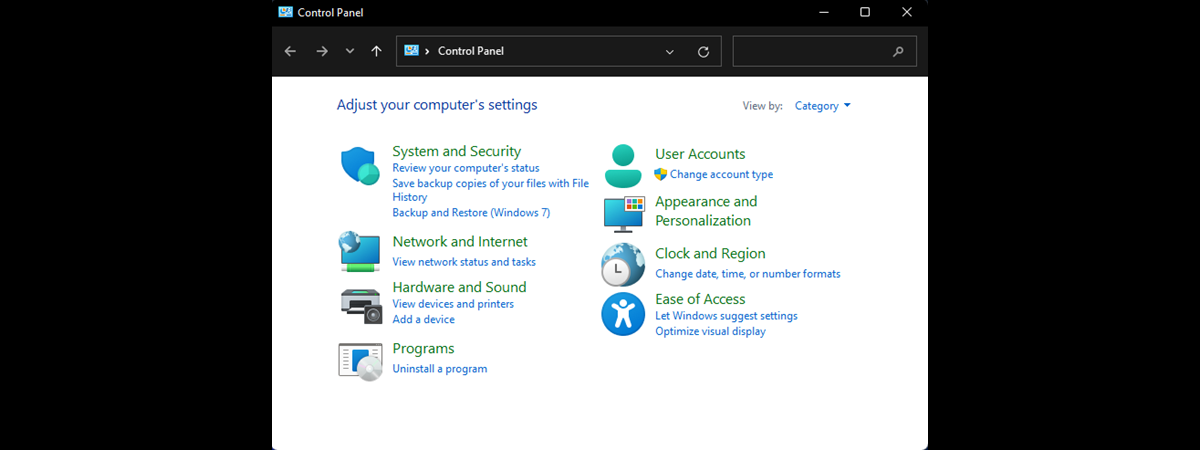
Where is the Control Panel in Windows 10? How do you open it and is there any Control Panel shortcut you can use for that? To answer these questions, I did a bit of testing and experimentation. I had to do that because in Windows 10, the Control Panel is hidden compared to Microsoft’s older operating systems, like Windows 7. I managed to compile a list of sixteen different ways to open the Control Panel. It includes methods to open this old and trusted tool in Windows using Control Panel shortcuts, keys, the Run window, CMD, and so on. Let’s see all of them, starting with the most useful ones and ending with the geekier methods:
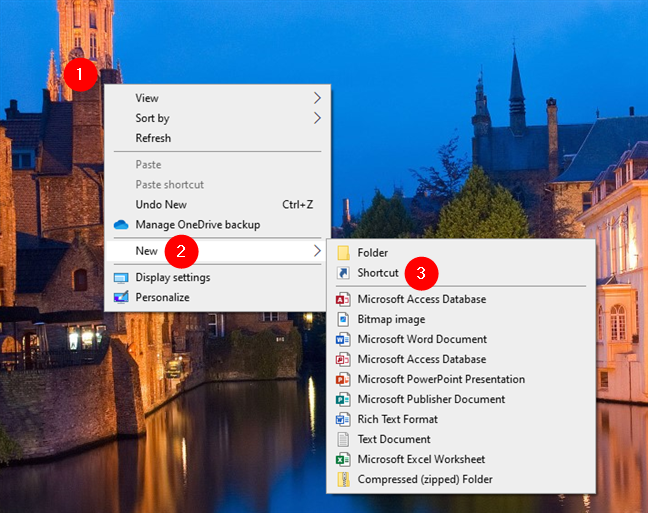
 Start creating a Control Panel shortcut
Then, in the Create Shortcut wizard, point your new shortcut to:
Start creating a Control Panel shortcut
Then, in the Create Shortcut wizard, point your new shortcut to:
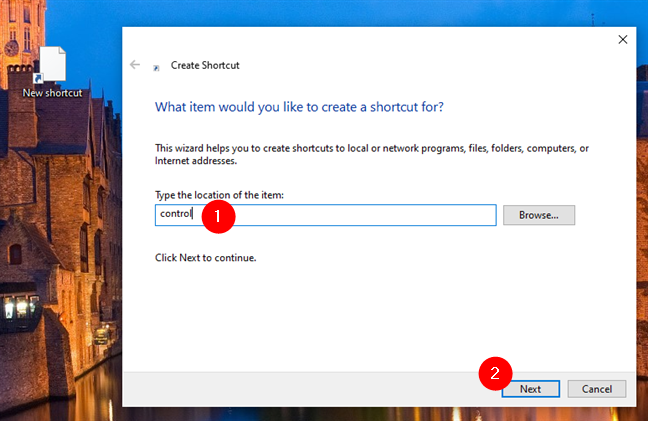
 Type control and press Next
Give your Control Panel shortcut a name. Control Panel will do nicely, for instance. 🙂 Then, press Finish to save it.
Type control and press Next
Give your Control Panel shortcut a name. Control Panel will do nicely, for instance. 🙂 Then, press Finish to save it.
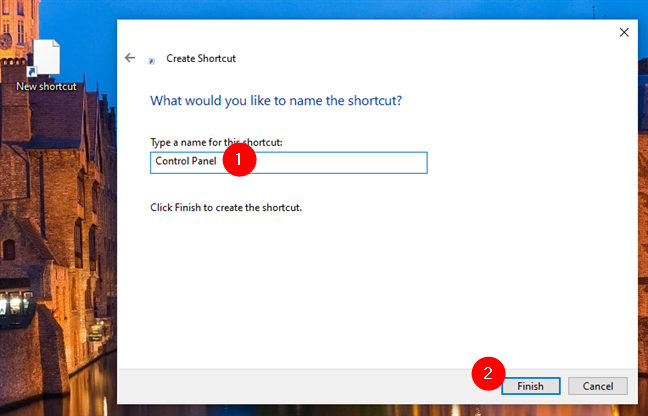
 Give a name to the Control Panel shortcut
The end result? A neat Control Panel shortcut you can double-click or double-tap anytime you want to access this tool on your Windows 10 computer.
Give a name to the Control Panel shortcut
The end result? A neat Control Panel shortcut you can double-click or double-tap anytime you want to access this tool on your Windows 10 computer.
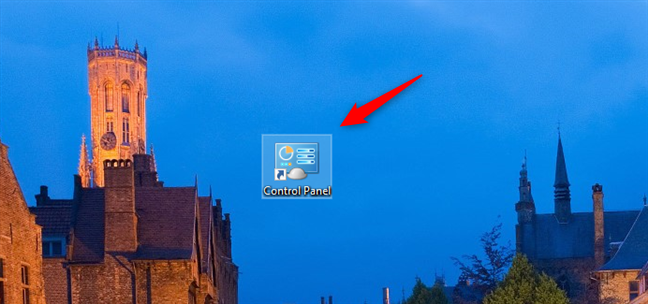
 The shortcut to open Control Panel in Windows 10
TIP: If you’d like more detailed instructions on creating shortcuts in Windows 10, check out this guide: How to create shortcuts for files, folders, apps, and web pages in Windows.
The shortcut to open Control Panel in Windows 10
TIP: If you’d like more detailed instructions on creating shortcuts in Windows 10, check out this guide: How to create shortcuts for files, folders, apps, and web pages in Windows.
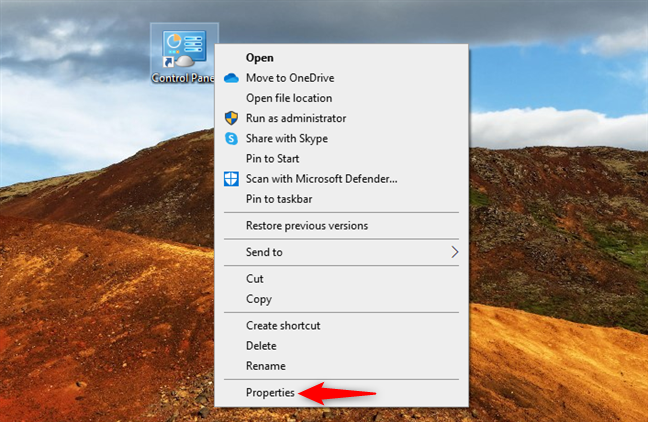
 Open the Properties of the Control Panel shortcut
In the Shortcut tab of the Control Panel Properties window, click or tap the field next to Shortcut key. On your keyboard, press the keys you want to assign as a keyboard shortcut for the Control Panel. For example, in the next screenshot, you can see that the Shortcut key I created for the Control Panel is Ctrl + Alt + P. Once you’ve chosen the keys, press OK to save your new Control Panel keyboard shortcut.
Open the Properties of the Control Panel shortcut
In the Shortcut tab of the Control Panel Properties window, click or tap the field next to Shortcut key. On your keyboard, press the keys you want to assign as a keyboard shortcut for the Control Panel. For example, in the next screenshot, you can see that the Shortcut key I created for the Control Panel is Ctrl + Alt + P. Once you’ve chosen the keys, press OK to save your new Control Panel keyboard shortcut.
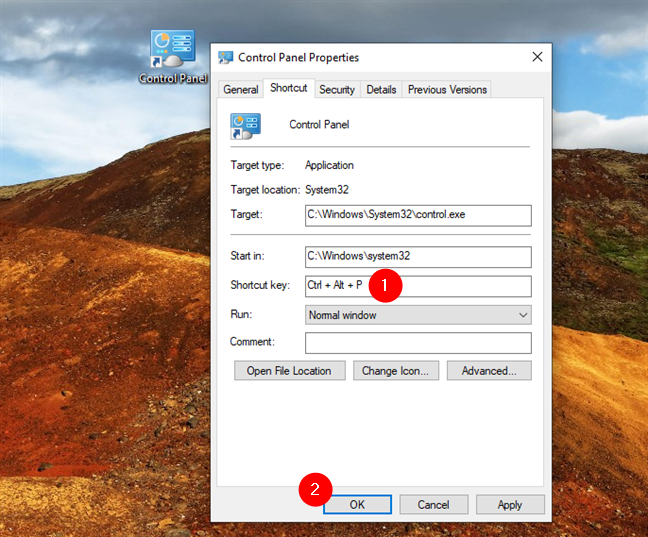
 Assign a Control Panel shortcut key
From now on, it suffices to press the Control Panel shortcut on your keyboard to launch it. However, remember that you shouldn’t delete the shortcut you’ve created on your desktop, or the keyboard shortcut will stop working too.
Assign a Control Panel shortcut key
From now on, it suffices to press the Control Panel shortcut on your keyboard to launch it. However, remember that you shouldn’t delete the shortcut you’ve created on your desktop, or the keyboard shortcut will stop working too.
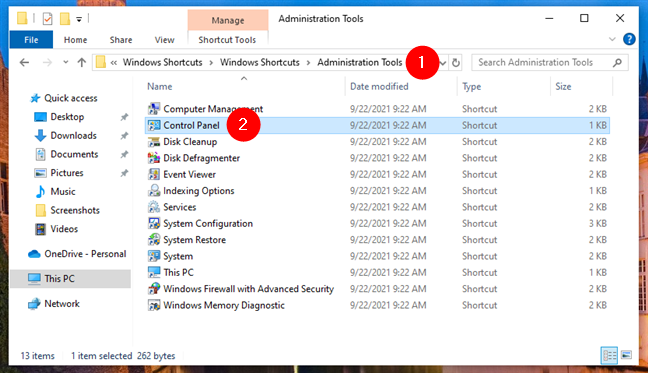
 The Control Panel shortcut found in our collection
You can copy the Control Panel shortcut we made for you anywhere you like. For instance, on your desktop or in a special Tools folder you may keep on your Windows 10 computer.
The Control Panel shortcut found in our collection
You can copy the Control Panel shortcut we made for you anywhere you like. For instance, on your desktop or in a special Tools folder you may keep on your Windows 10 computer.
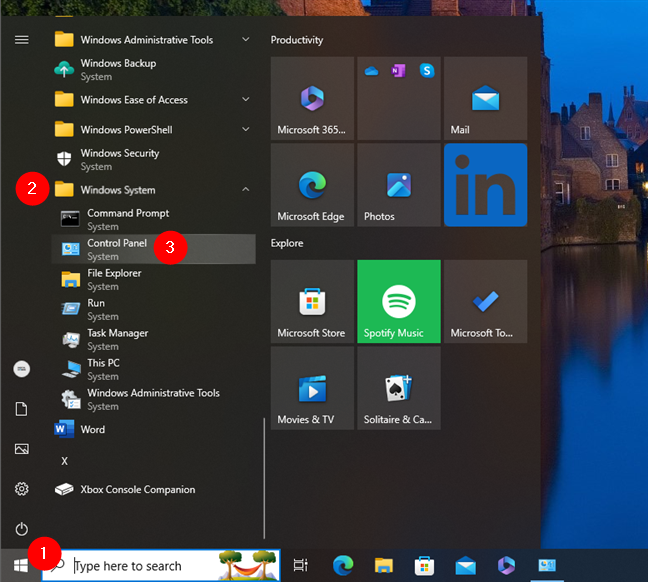
 There’s a Control Panel shortcut in Windows 10’s Start Menu
Click or tap the shortcut and the Control Panel launches instantly.
There’s a Control Panel shortcut in Windows 10’s Start Menu
Click or tap the shortcut and the Control Panel launches instantly.
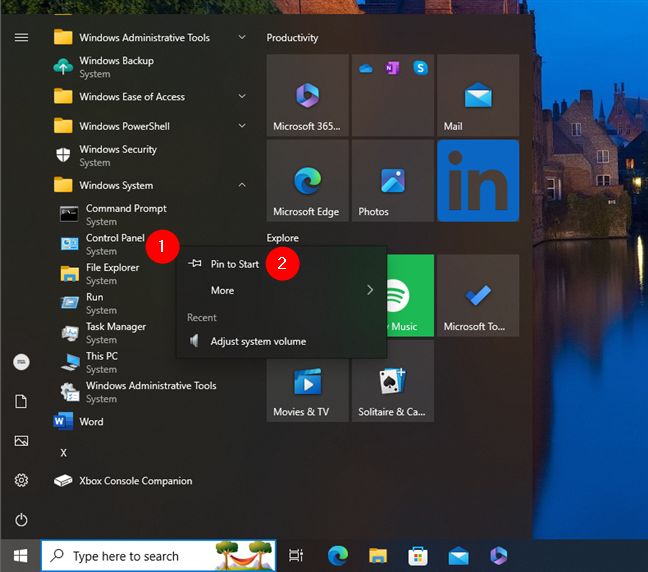
 Pin a Control Panel shortcut to the Start Menu
In an instant, a Control Panel shortcut appears on your Start Menu. 🙂
Pin a Control Panel shortcut to the Start Menu
In an instant, a Control Panel shortcut appears on your Start Menu. 🙂
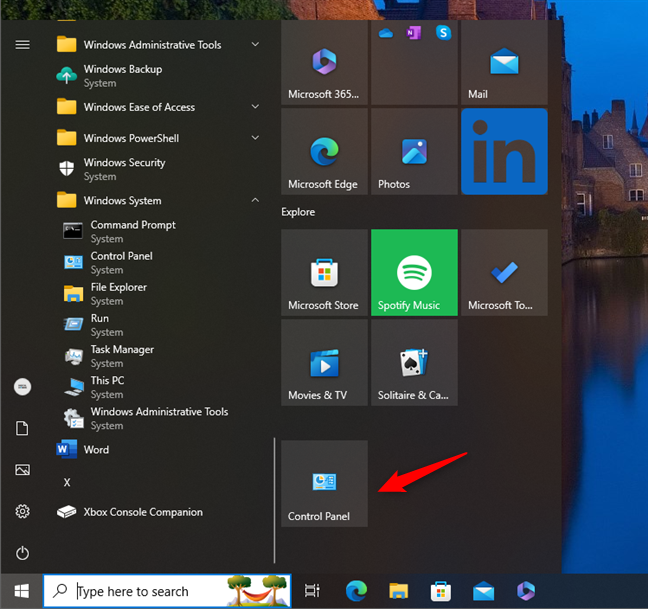
 Control Panel shortcut pinned to the Start Menu
If you’d rather have it on your taskbar, right-click or press and hold the Control Panel shortcut in the Start Menu, go to More, and choose Pin to taskbar.
Control Panel shortcut pinned to the Start Menu
If you’d rather have it on your taskbar, right-click or press and hold the Control Panel shortcut in the Start Menu, go to More, and choose Pin to taskbar.
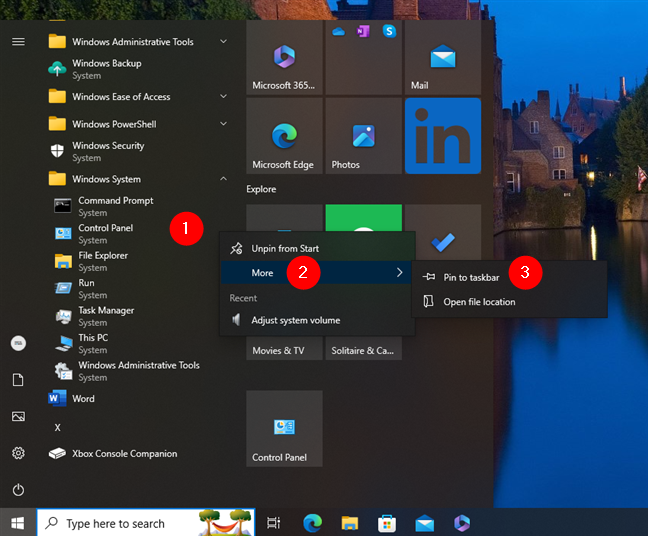
 Pin a Control Panel shortcut to the taskbar
And there you have it: a Control Panel shortcut on your taskbar.
Pin a Control Panel shortcut to the taskbar
And there you have it: a Control Panel shortcut on your taskbar.
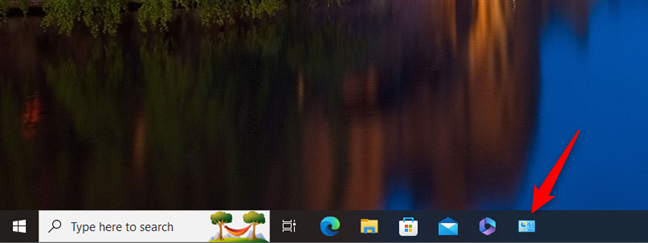
 Control Panel shortcut pinned to the taskbar
TIP: Are you interested in learning more about pinning? Here’s a complete guide on how to pin to the Start Menu in Windows 10.
Control Panel shortcut pinned to the taskbar
TIP: Are you interested in learning more about pinning? Here’s a complete guide on how to pin to the Start Menu in Windows 10.
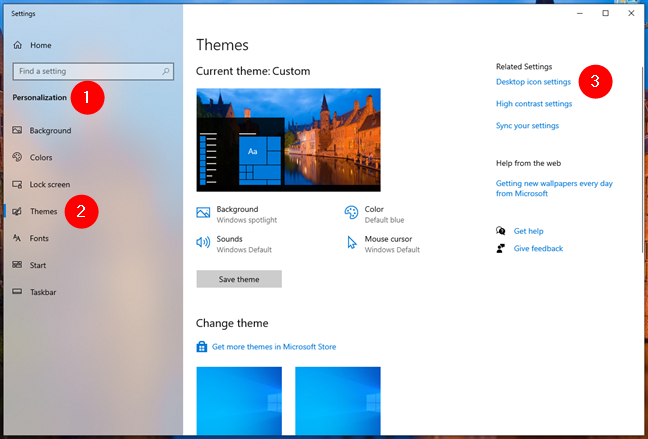
 Getting to the Desktop icon settings
In the Desktop Icon Settings window, select the Control Panel desktop icon and press OK.
Getting to the Desktop icon settings
In the Desktop Icon Settings window, select the Control Panel desktop icon and press OK.
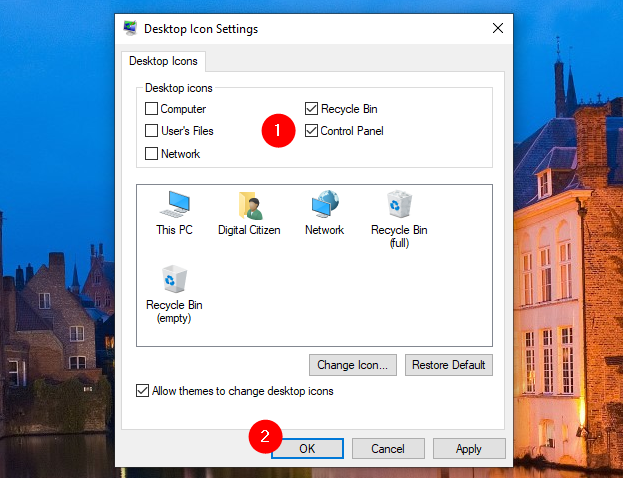
 Adding a Control Panel shortcut using the Desktop Icon Settings
It will take just a moment for the Control Panel shortcut to show up on your desktop.
Adding a Control Panel shortcut using the Desktop Icon Settings
It will take just a moment for the Control Panel shortcut to show up on your desktop.
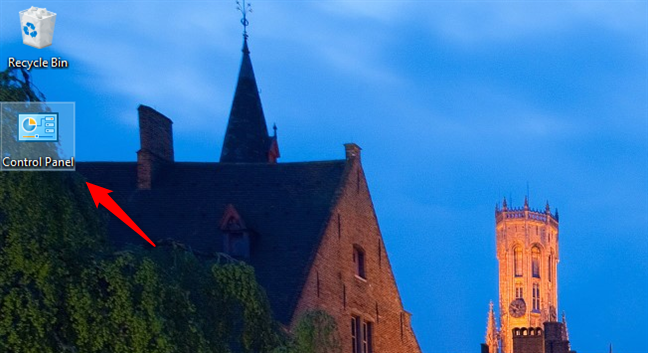
 The Control Panel shortcut on the desktop
TIP: Here’s a handy guide if you want to know more about the other desktop icons: How to add or remove desktop icons (shortcuts) in Windows.
The Control Panel shortcut on the desktop
TIP: Here’s a handy guide if you want to know more about the other desktop icons: How to add or remove desktop icons (shortcuts) in Windows.
 How to open Control Panel via Run
Now that you know how to open the Control Panel via Run, wouldn’t you also like to know what the Control Panel command is? Here’s how to…
How to open Control Panel via Run
Now that you know how to open the Control Panel via Run, wouldn’t you also like to know what the Control Panel command is? Here’s how to…
 How to open Control Panel using CMD
This command opens the Control Panel immediately.
How to open Control Panel using CMD
This command opens the Control Panel immediately.
 Open Control Panel in Windows 10 using search
TIP: Is your search bar missing? Here’s how to get search back on your Windows 10 taskbar.
Open Control Panel in Windows 10 using search
TIP: Is your search bar missing? Here’s how to get search back on your Windows 10 taskbar.
 Open Control Panel in Windows 10 from Settings
As expected, this launches the Control Panel. 🙂
Open Control Panel in Windows 10 from Settings
As expected, this launches the Control Panel. 🙂
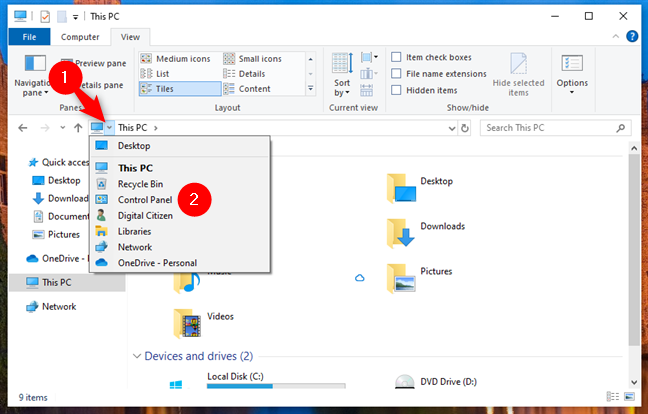
 Starting the Control Panel from File Explorer
The Control Panel is now open, and you can use it as required.
Starting the Control Panel from File Explorer
The Control Panel is now open, and you can use it as required.
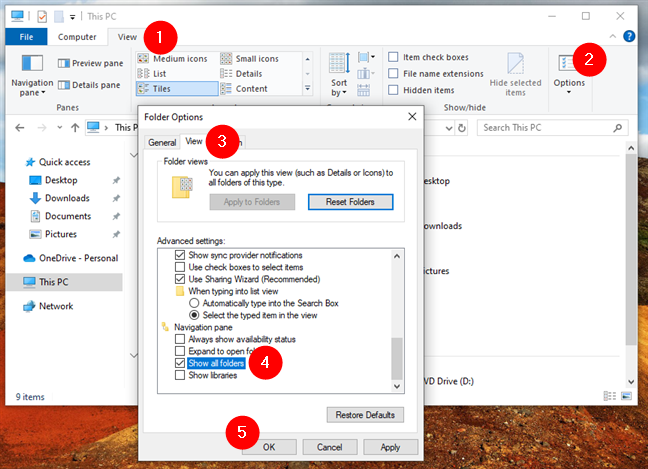
 Enable Show all folders in File Explorer
As soon as you do that, File Explorer shows an entry point for the Control Panel in the navigation area.
Enable Show all folders in File Explorer
As soon as you do that, File Explorer shows an entry point for the Control Panel in the navigation area.
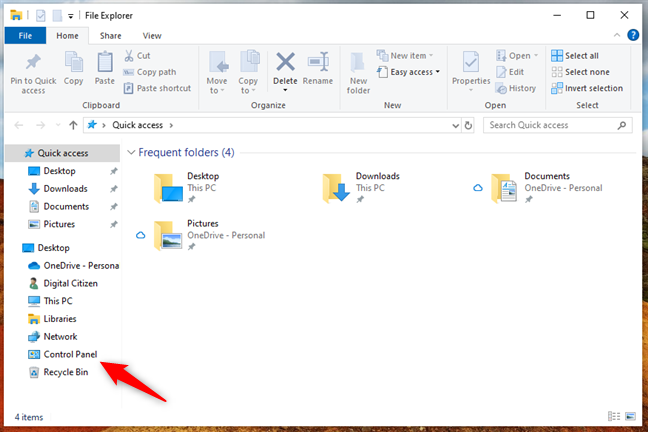 A Control Panel shortcut is found in File Explorer’s navigation pane
Click or tap it, and the Control Panel opens.
A Control Panel shortcut is found in File Explorer’s navigation pane
Click or tap it, and the Control Panel opens.
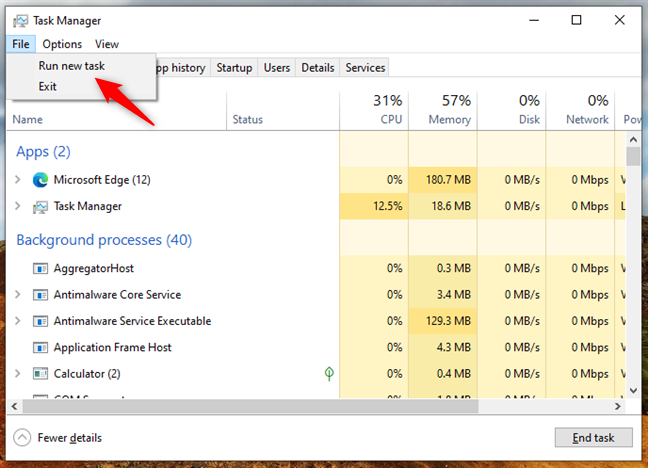
 Run new task in Task Manager
In the Create new task window, type:
Run new task in Task Manager
In the Create new task window, type:
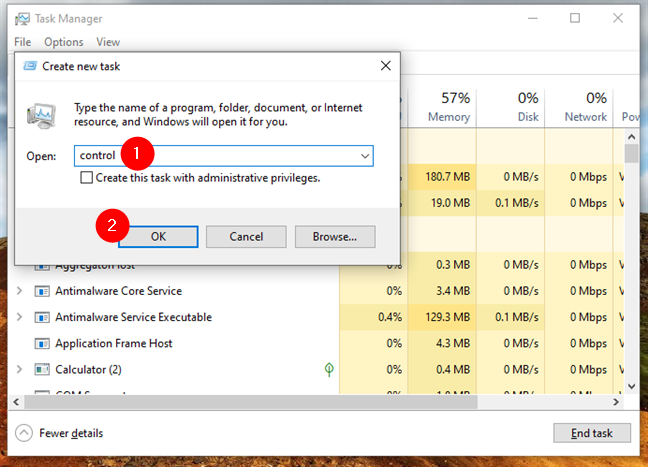
 Opening Control Panel using the control command in Task Manager
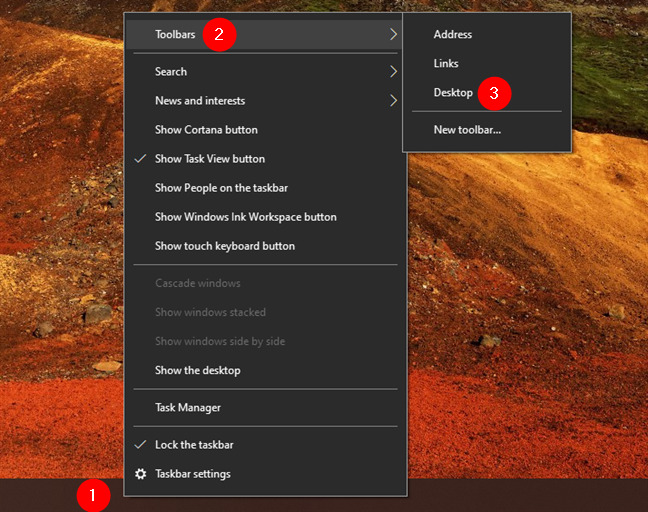
 Adding the Desktop toolbar to the taskbar
This adds a Desktop toolbar to the right side of the taskbar. Click or tap on it and then double-click on the Control Panel to open it.
Adding the Desktop toolbar to the taskbar
This adds a Desktop toolbar to the right side of the taskbar. Click or tap on it and then double-click on the Control Panel to open it.
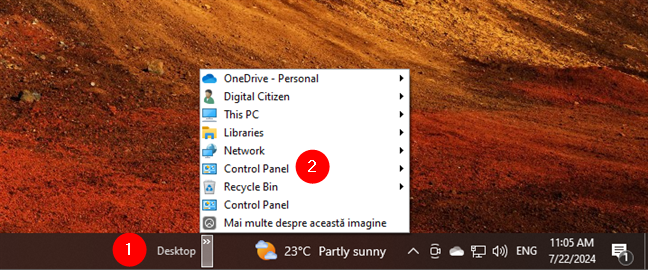
 The Control Panel menu from the Desktop toolbar
What is nice about this toolbar is that, if you just hover the mouse cursor on it, it also displays the main sections and shortcuts from the Control Panel. It can be a productive tool for many users.
The Control Panel menu from the Desktop toolbar
What is nice about this toolbar is that, if you just hover the mouse cursor on it, it also displays the main sections and shortcuts from the Control Panel. It can be a productive tool for many users.
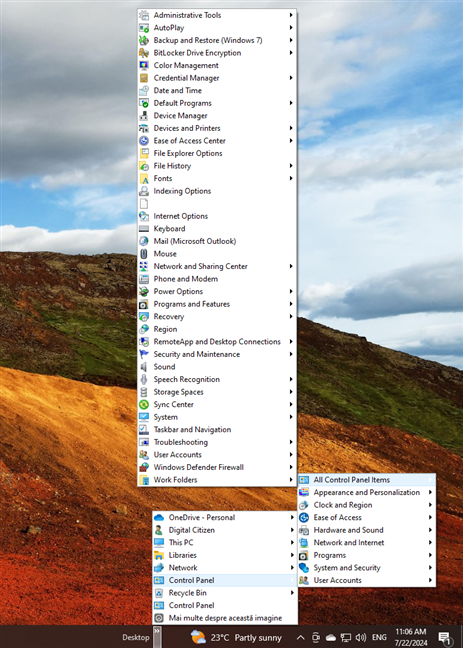
 Control Panel shortcuts are shown in separate lists
TIP: There are other taskbar toolbars available in Windows 10. To find out more about them, check out this guide on how to customize the taskbar.
Control Panel shortcuts are shown in separate lists
TIP: There are other taskbar toolbars available in Windows 10. To find out more about them, check out this guide on how to customize the taskbar.
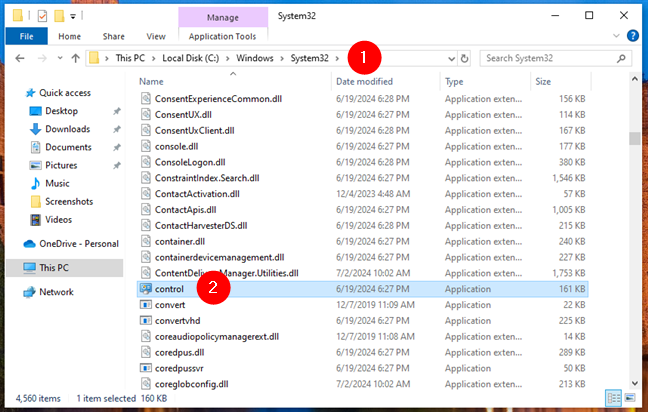
 The control.exe file in Windows 10
Double-click or double-tap it and the Control Panel is launched immediately.
The control.exe file in Windows 10
Double-click or double-tap it and the Control Panel is launched immediately.
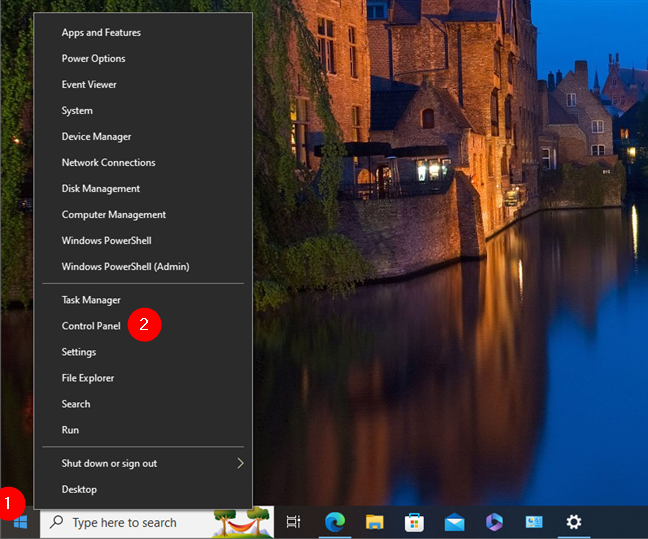
 Adding a Control Panel shortcut in the WinX menu from Windows 10
That’s it, folks!
Adding a Control Panel shortcut in the WinX menu from Windows 10
That’s it, folks!
1. Create and use a Windows 10 Control Panel shortcut
The method I find the most easy to use in the long term is to create a Control Panel shortcut and put it somewhere it’s convenient to use. It can be on your desktop, as well as in a folder. Here’s how: Right-click or press-and-hold on an empty space on your desktop or in a folder, go to New in the context menu, and select Shortcut.control
or
%windir%\System32\control.exe
… and press Next.
2. Make and use a Control Panel keyboard shortcut
If you’re a fan of the keyboard, you could also make a custom Control Panel keyboard shortcut. For that, follow the same steps shown in the previous method in this guide to create a regular Control Panel shortcut. Then, right-click or press and hold it to access its context menu and select Properties in the list of options.3. Download our Control Panel shortcut for Windows
If you’d rather get an already-made Control Panel shortcut, know that we’ve assembled one of the most extensive collections of shortcuts for Windows. Download and extract it, and, inside, find the shortcut for the Control Panel in the Windows Shortcuts > Administration Tools folder.4. Use Windows 10’s Control Panel shortcut from the Start Menu
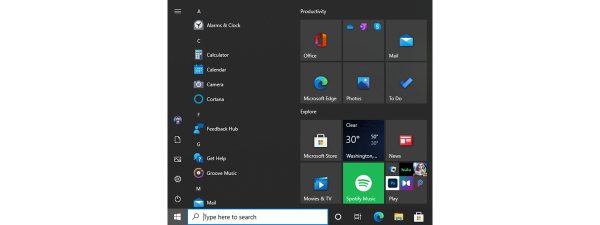
Another straightforward way of opening the Control Panel in Windows 10 is from the Start Menu. Click or tap the Start button or press the Windows key on your keyboard. In the Start Menu, scroll down to the Windows System folder. There, you will find a Control Panel shortcut.5. Pin a Control Panel shortcut to the Start Menu or to the taskbar
If you want to access the Control Panel quickly, you might want to pin a shortcut for it in a place where you get to see it without effort. Some areas where you should consider pinning it are the taskbar or the Start Menu. In order to do that, go to the Control Panel shortcut like I’ve shown you in the previous method. Then, right-click or press-and-hold the Control Panel shortcut, and select Pin to Start if that’s where you want it.6. Make Windows 10 add a Control Panel icon on the desktop
You can also add a Control Panel icon on your desktop. Start by opening the Settings app (Win + I), then go to Personalization, access Themes, and click or tap the Desktop icon settings link.7. How to open Control Panel using Run in Windows 10
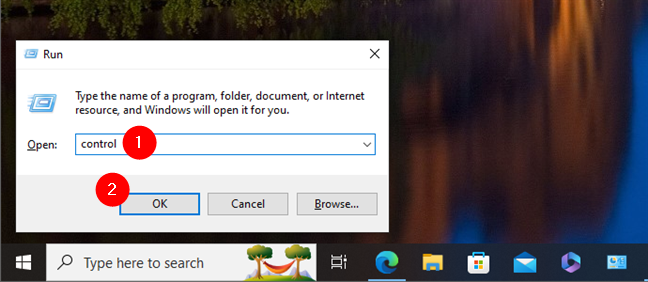
Press the Win + R keys on your keyboard to open the Run window. Then, type:control
…and hit Enter on your keyboard or press OK.
8. Open Control Panel using CMD or PowerShell
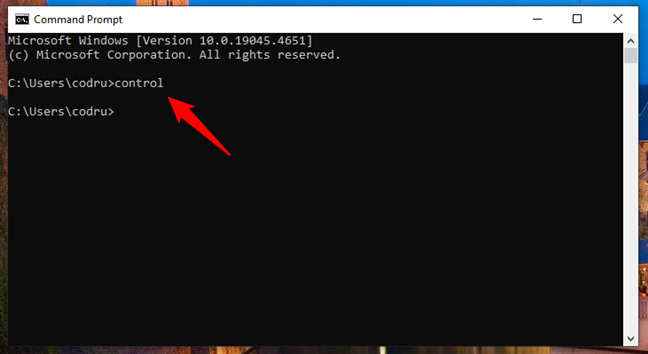
If you like Command Prompt or PowerShell, you should know that the command for starting the Control Panel is (surprise, surprise!):control
So type control in your favorite command-line app, and then press the Enter key on your keyboard.
9. How to open Control Panel in Windows 10 using search
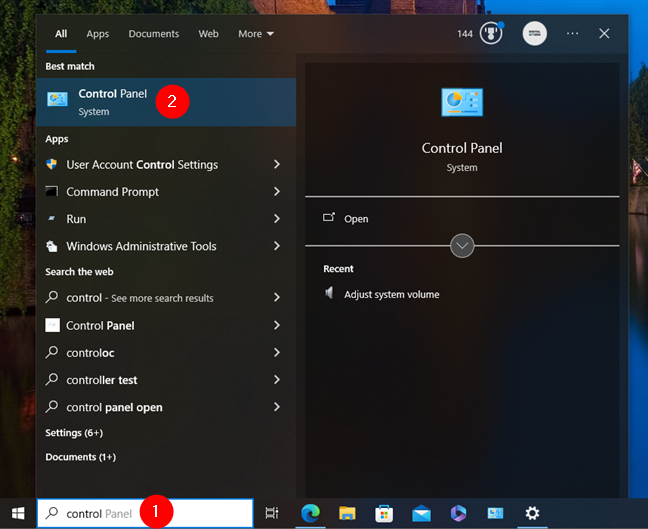
Another way to start anything in Windows 10 is to use the search feature. Click or tap the search box from the taskbar or just press the Windows key on your keyboard. Then start typing:control panel
…and click or tap the Control Panel search result.
10. Use Windows 10’s Settings to open Control Panel
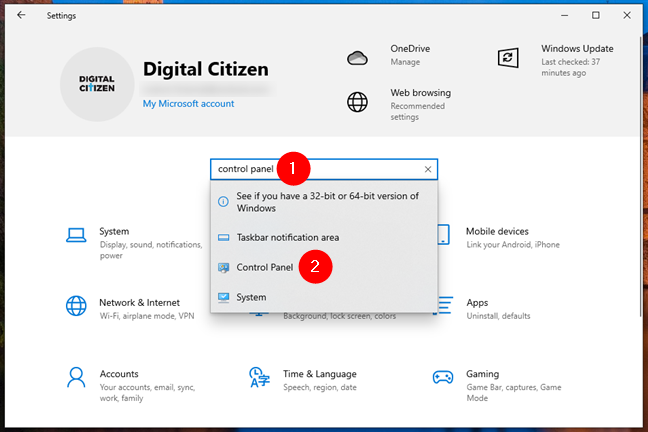
An alternative, yet a bit lengthier way of using search to open the Control Panel involves using the Settings app. Open Settings and type “control panel” in the search field found at the top-center area of the app. Once the search results are shown, click or tap Control Panel.11. Open Control Panel using File Explorer’s address bar
An ingenious way to start the Control Panel is to use the File Explorer. Open File Explorer and click or tap on the first caret button from the folder path bar at the top. In the menu that shows up, select Control Panel.12. Get Control Panel in File Explorer’s folders list
File Explorer offers yet another easy method to open the Control Panel. Open File Explorer’s Folder Options window, select the View tab, enable Show all folders at the end of the Advanced settings list, and then click or tap OK.13. Open Control Panel using Task Manager
One other way to open the Control Panel is to use the Task Manager. Launch Task Manager - a quick way is to press the Ctrl + Shift + Esc keys on your keyboard. If the Task Manager opens up in compact mode, click or tap on More details. Then, open its File menu and click or tap the Run new task option.control
…and press the Enter key or OK.
14. Use Control Panel’s shortcut in the taskbar’s Desktop toolbar
This method is less intuitive, but the result might please some users. Go to the Desktop and right-click or press and hold an empty space on the taskbar. Then, go to Toolbars and select Desktop.15. Open Control Panel by running the control.exe file
The executable file for the Control Panel is control.exe. You can find it in the System32 subfolder of the Windows folder:C:\Windows\System32\control.exe
16. Open Control Panel using the WinX menu from Windows 10
In old versions of Windows 10, the WinX menu included a Control Panel shortcut by default. Although it’s not the case anymore, if you’re feeling a bit geeky today, you can enable Control Panel in Windows 10’s WinX menu by following these steps.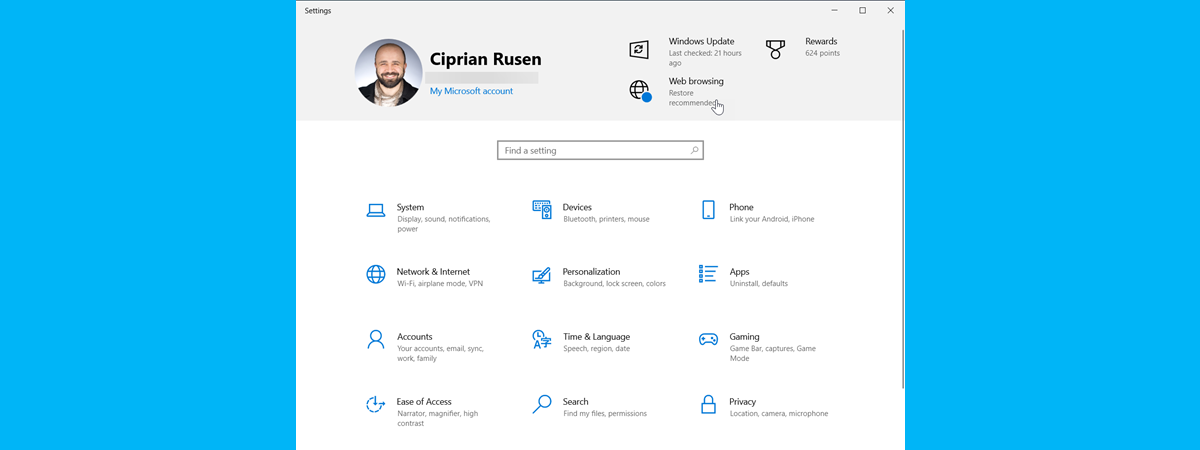
Discussion (22)
My favorite that I can’t seem to find anywhere is the windows key + Pause/Break to get to system properties. WIN+Pause/Break. Then you can simply navigate from there. I can’t find any other keys that work to get to other areas of the CP. If anyone knows any, please share!
Thank you so much. I’ll try one or more methods for Windows 7
Thank you for posting this article. Big help in sidestepping Win 10’s circuitous route to access Control Panel! Re your Q; which of your suggestions did I opt for? 3 of them – adding to taskbar; adding the desktop menu to rt side of taskbar and adding a quick icon to the start menu! What I actually wanted to do was to add an icon to the horizontal row which appears above the start button. On my machine this selection includes only documents, settings, file explorer, My computer, and power.
If anyone knows how to do this, I would love to add control panel to this row.
Thanks, BL
In normal keyboard with PAUSE key, use Win + PAUSE.
I just found out that the cmd :
control.exe system
will open up Control panel home page.
The all methods are good. We can access control panel by using one of them but in my opinion the best method is to make shortcut on desktop
Thank you very much you helped me.
they are all horrible in windows 10
Still, unable to find Control Panel in my computer (W10 – dutch language). Where can I find the translation? Or is it in my computer anyway? I do find “instellingen” (I translate into “settings” in English), but both the icon and overview when clicked does not match the screenshots from the article.
I wish that MS stops taking away options that doesn’t need removing and stops changing things that doesn’t need changing. A lot of changes that are unnessecary are just cosmetic changes but makes life on a windows computer more hard than it needs to be.
excellent. thank you ..
You can create a desktop shortcut to “C:WindowsSystem32control.exe”. Right-click the desktop > “New” > “Shortcut” > enter the above filepath. Another way is to pull up the “Start” menu > “Windows System” > right-click “Control Panel” > “More” > “Open File Location”. You can ctrl-C the shortcut and paste it anywhere, or right-click “Control Panel” > “Send To” > “Desktop”
Every Win 10 major update that rolls out, they hide more and more functionality in the settings. This last Fall update, they turned hibernation file back on and reset a lot of my settings to defaults. Use to be able to go to System screen, and in right-hand menu click on some things to get the applets. Nope, can’t do that anymore. They’ve hyper-dumbed-down the settings front-end now, making it a real PITA to get to the REAL settings menus like Control Panel and the applets. It irks me that they’re not really changing where you go to make REAL changes (the applets), all they’re doing is burying them more and more under layers of dumbed-down Fisher Price UI that has no real power to do anything. It’s insulting to use Win 10 Pro, but feel like the system is designed for a 4yo and to prevent them from accidentally stubbing their toe. “Now now, user, we don’t want you hurting yourself by making it easy to access features that have REAL power. Just open up Facebook and go surf the web for a bit. That’s a good user (pat on head). Don’t worry about changing telemetry settings, or disabling hibernation files that eat up hard drive space. We’ll handle all that for you. WE know what’s best for you. You’re just a silly little user that doesn’t know what’s good for yourself.”
You make a good point. We don’t like it either that they keep hiding the Control Panel and other advanced tools.
Thinking initially though that it might be a malware attach issue that I could not repair, I factory reset my Windows 10 … actually twice now. But the situation has devolved even further. Upon trying to open the Control Panel, the result is simply an empty screen rendering only my Windows background and zero open tasks.
very easy in Windows 10 Creator ——– right click the network icon in the system tray (it is either the wireless icon or the wired icon), click Open Network and Sharing Center, click Control Panel Home in the upper left corner of the window.
all useless if you can not open run command, or win x. Win 10 needs a quick way to get to safe mode like before with F8. Win 10 SUCKS!
use Classic Shell
“Control Panel” in the WinX menu has been replaced with “Settings” on my computer. They must have changed this in a Windows 10 update at some point.
Thanks for the article, who would have thought after 24 years of using Windows I wouldn’t be able to find Control Panel and you have to find it if you want to set the date format to something more useful here in Australia. The “settings” give you only one option !!
Thanks so much for the info. I’m not very tech savvy and now with Windows 10 occasionally I feel lost trying to navigate my way around. They have made accessing things more complicated but you made it easy. Many Thanks!!!
Good article. Useful.
We’re happy that our work was useful to you. Thank you for the comment!