




A 3D hologram projector is a device that creates the illusion of images floating in mid-air. Unlike standard projectors that cast light onto a flat screen, holographic projectors manipulate light to form a visible 3D object in open space.
These devices are used in advertising, entertainment, education, and even product demos, offering visuals that appear lifelike and can be viewed from multiple angles.
The Science Behind Holograms
The technology behind holograms is based on holography, a process that records and reconstructs light waves. When two beams of light, a reference beam and an object beam, interfere, they create an interference pattern.
This pattern stores both the intensity and the phase of light, meaning the hologram contains full 3D information about the object. When the hologram is later illuminated by a coherent light source (such as a laser), it recreates the same light waves that originally reflected from the object, forming a three-dimensional image that can be viewed from different viewpoints.
How a 3D Hologram Projector Works

Modern hologram projectors bring holography into the digital age. Instead of physical holographic plates, they use light projection, reflection, and refraction to simulate 3D floating visuals.
Step 1: Light Source and Optical Projection
A bright, focused light source, usually a laser or LED, projects light through a digital pattern or rotating LED display.
Step 2: Holographic Surface or Fan Display
The light interacts with a holographic film, a transparent screen, or rapidly spinning fan blades. These surfaces act like virtual canvases, diffracting light at precise angles.
Step 3: Formation of the 3D Image
The human eye perceives the projected light as a solid, three-dimensional object suspended in space. Depending on the projection type, viewers can walk around it and view it from different angles, enhancing the illusion of depth.
Step 4: Real vs. Simulated Holograms
True holograms record and reconstruct light wavefronts, while most modern “3D hologram projectors” are simulation devices using projection and reflection tricks. Both achieve the same goal: creating the perception of floating 3D visuals.
Types of 3D Hologram Projectors

- Hologram Fan Displays: These use rotating LED blades that spin fast enough to become invisible, projecting a 3D image that seems to hover in the air.
- Pepper’s Ghost Displays: A reflection-based setup using angled glass or transparent screens to project 3D visuals that appear to float in front of or around objects.
- Transparent Film or Glass Projectors: These systems use thin holographic films to display 3D videos, often seen in retail displays or trade shows.
- Volumetric Displays: The most advanced form, these projectors build real 3D volumes by projecting light into multiple layers or rapidly spinning mirrors.
Core Components of a 3D Hologram Projector
- Light Source: Provides coherent light for clarity and definition.
- Optical Lens System: Shapes and focuses the projection beam.
- Holographic Plate or Display Surface: Interacts with light to create depth.
- Processing Unit: Converts digital video data into holographic imagery.
- Projection Base or Fan Mechanism: Controls motion and image rotation.
Applications of 3D Hologram Projectors
- Advertising & Marketing: Floating product demos in retail stores and exhibitions.
- Entertainment: Concerts featuring holographic performances or animated visuals.
- Education & Training: 3D models for anatomy, engineering, or science demonstrations.
- Corporate Events: Product launches and interactive trade show installations.
- Medical Imaging: Projecting patient scans or models for study and surgery planning.
How to Make a Simple 3D Hologram Projector at Home
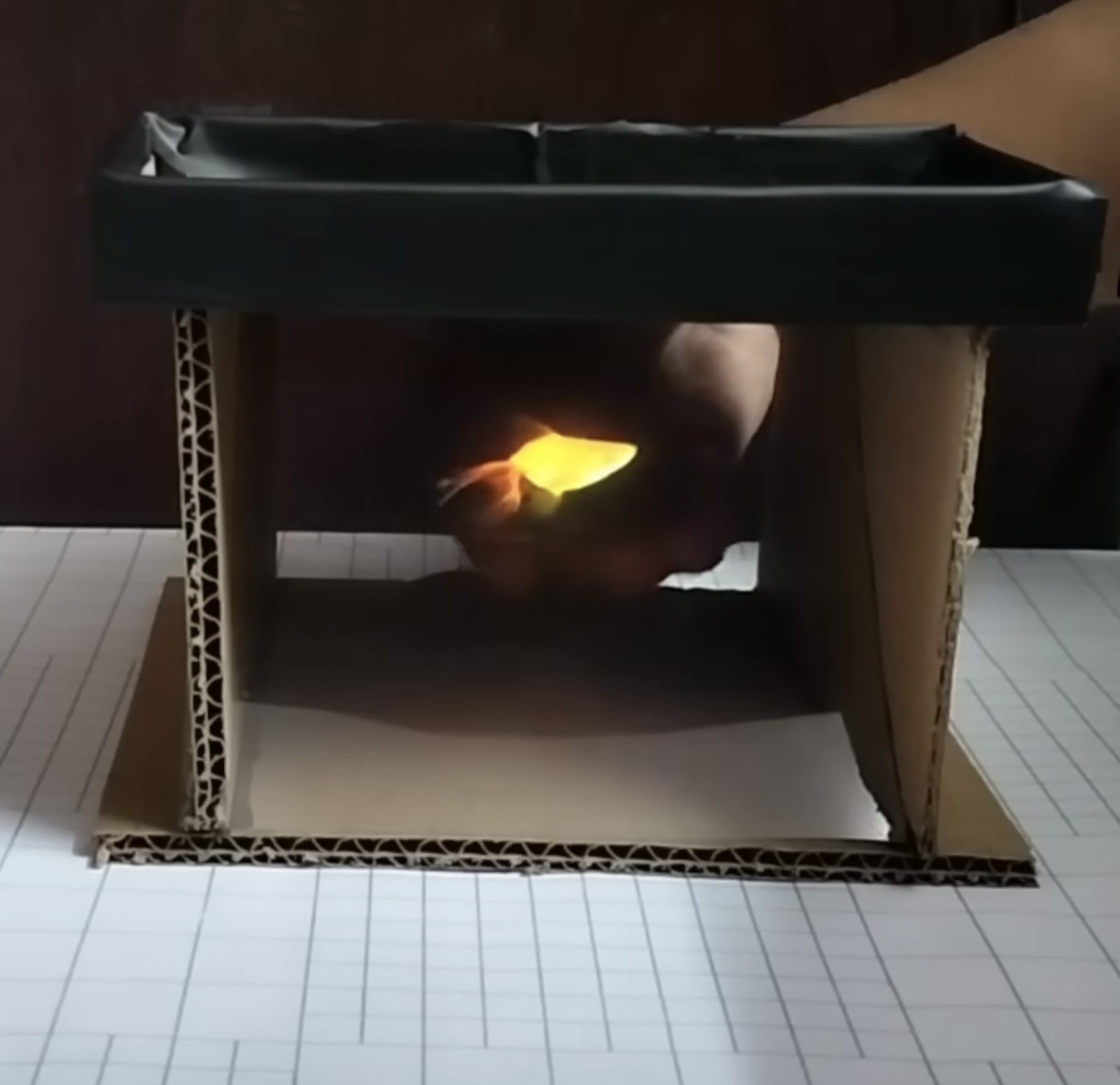
You can build a basic DIY hologram viewer using your smartphone:
- Cut a transparent plastic sheet into four equal trapezoids.
- Tape them together to form a pyramid shape.
- Place it upside down on your phone screen.
- Play a hologram video from YouTube.
Light reflects through the pyramid sides, creating a 3D image that seems to float above your screen.
The Future of Holographic Projection
The next generation of hologram projectors will blend AI, AR, and volumetric capture to enable 3D telepresence and mixed-reality visuals. Researchers are already developing systems that project full-color holograms in real time, with no glasses or screens needed.
In the coming years, we may see holograms become a standard in communication, entertainment, and education.
Conclusion
A 3D hologram projector works by combining light, optics, and motion to create images that appear to float in mid-air. Whether through interference patterns or rotating LED arrays, these devices bring the science of holography to life in practical, modern ways.
From product showcases to immersive learning, hologram projection is transforming how we see and interact with digital content, making the future of visual display truly three-dimensional.


Discussion (0)
Be the first to comment.