



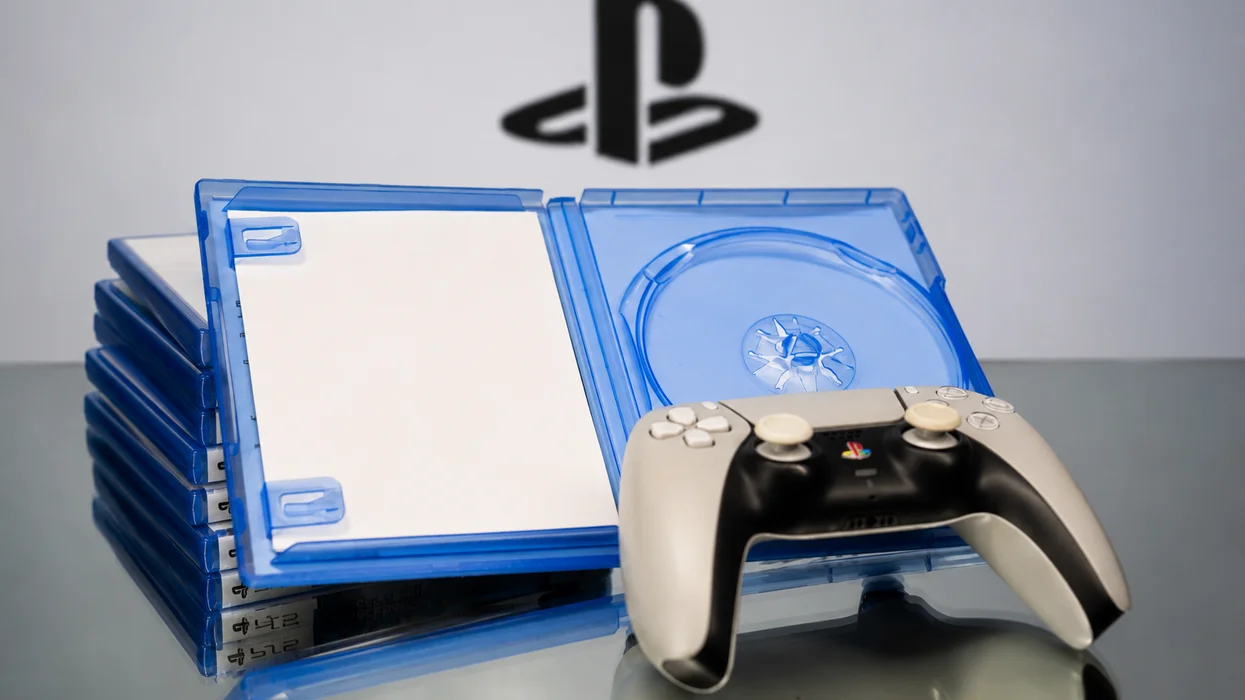
Sony is facing renewed criticism from players over the future of physical media, with the latest Marvel’s Wolverine trailer becoming an unexpected focal point for complaints about the company’s digital strategy.
The trailer was designed to highlight Wolverine’s combat, story, and confrontation with Sabretooth. Instead, much of the discussion around it focused on Sony’s reported move away from physical game discs for future PlayStation releases.
Fans filled the comments with jokes about discs, ownership, and the loss of boxed games. Some used scenes from the trailer itself to make their point, including a moment where a personal photograph is destroyed. Players interpreted that scene as an accidental symbol of what they believe is happening to physical media.
The reaction shows how strongly some customers still feel about discs, even as publishers continue pushing toward digital distribution.
Players are concerned about ownership and preservation
Physical games provide benefits that digital purchases cannot always match. A disc can be resold, lent to another person, displayed as part of a collection, or purchased second hand at a lower price.
Digital games are tied to accounts, storefronts, and licensing systems. Access may depend on servers remaining active and platform holders continuing to support older hardware.
| Physical games | Digital games |
|---|---|
| Can often be resold | Usually tied to one account |
| May work without a storefront | Often depends on online licensing |
| Can be lent to friends | Sharing is more restricted |
| Supports second hand purchases | Prices are controlled by the store |
| Provides a collectable item | Requires no storage space at home |
| Can help preserve older releases | Access may change after delisting |
Players are also concerned about what happens when games are removed from digital stores. A title may remain downloadable for existing owners, but that depends on the platform continuing to host the files and recognize the original license.
The issue becomes more serious when a storefront closes or content is removed without a clear replacement. Buyers may have paid full price for access but still lack the permanent ownership associated with a disc.
The Wolverine trailer became an outlet for wider frustration
The negative reaction was not mainly about Marvel’s Wolverine itself. The game continues to attract strong interest, and the trailer’s action and presentation were generally not the main target of criticism.
Instead, fans used the trailer’s visibility to protest against Sony’s broader direction. Comments included wordplay about physical media and references to discs, while others directly demanded that the company reverse its plans.
One of the most shared observations connected the burning photograph in the trailer to the disappearance of physical media. The comparison was humorous, but the concern behind it was serious.
Players see physical ownership as protection against delisting, account restrictions, changing licenses, and storefront closures. For them, a disc offers a level of control that digital purchases do not fully provide.
Sony’s wider digital decisions have increased concern
The criticism comes during a period when several Sony related decisions have drawn attention to digital ownership.
Older PlayStation storefronts have faced closure plans or reduced support. Customers have also experienced cases where purchased video content was removed from digital libraries because of licensing changes.
Separate changes affecting access to physical anime, manga, and other media have added to the impression that Sony is moving toward a more controlled digital ecosystem.
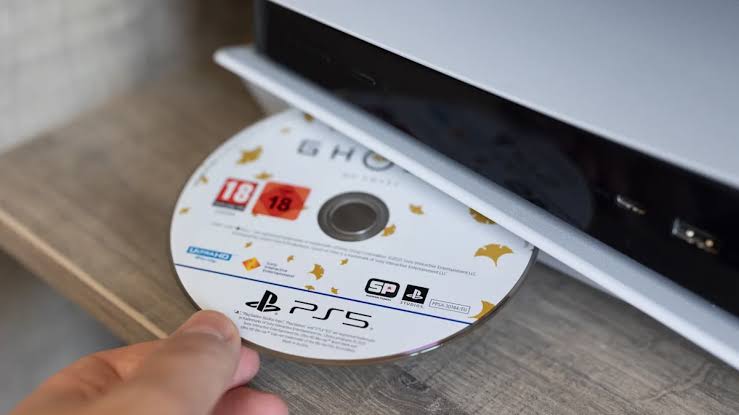
These cases are not identical, but together they have created uncertainty. Players want clear assurances that purchases will remain accessible and that physical options will continue to exist for major releases.
The reaction has extended beyond gaming communities, with brands and social media accounts joining the discussion through jokes and criticism. That wider response suggests Sony’s decision has become a public relations issue rather than a narrow retail change.
Xbox has an opportunity but faces similar pressure
Microsoft could benefit from the backlash if it provides a more consumer friendly approach to physical ownership.
The company is reportedly working on a system that could convert eligible disc based games into digital licenses. Such a program could help players preserve access to older purchases if future Xbox hardware does not include a disc drive.
However, the details will matter. A disc conversion program must include clear rules, broad compatibility, and protections against losing access later. It also needs to avoid making customers pay again for games they already own.
There is no guarantee that future Xbox consoles will retain physical drives. Microsoft has also expanded digital distribution, Game Pass, and cloud gaming, all of which reduce the importance of discs in its business model.
Still, the PlayStation backlash gives Xbox an opportunity to offer stronger ownership protections. Supporting existing disc libraries, backward compatibility, and permanent account licenses could help Microsoft distinguish itself.
Physical media still has a meaningful audience
Digital sales now account for a large share of the console market, but that does not mean physical games have lost all value.
Collectors still prefer boxed releases. Some customers rely on second hand games to reduce costs. Others live in areas where downloading large files is slow, expensive, or unreliable.
Physical games also give retailers a role in pricing. Digital storefronts are controlled by the platform owner, while physical copies can be discounted independently by different sellers.
Removing discs would reduce those options and place more control over pricing, distribution, and availability in the hands of a single company.
Sony may see digital distribution as simpler and more profitable, but the current backlash shows that customers do not view the change only as a matter of convenience.
The debate around Marvel’s Wolverine reflects a larger concern about whether buying a game still means owning it. Sony will need to explain how it plans to protect customer purchases if physical releases disappear, while Xbox now has a chance to present a clearer alternative.



Discussion (0)
Be the first to comment.