



Xbox Game Pass remains one of Microsoft’s most recognizable gaming services, but growing criticism from current and former studio leaders suggests the model may be creating serious problems inside the company.
Some Xbox studio executives reportedly believe Game Pass has reduced the perceived value of games by training customers to expect major releases through a subscription instead of buying them directly.
The concern is especially strong around day one releases. When a new game enters Game Pass at launch, it may reach a large audience quickly, but it can also reduce the number of full price purchases. For studios that traditionally measure success through sales, this can make a strong release appear less valuable.
One former Xbox studio leader described the model as a “race to zero,” arguing that releasing games through a subscription can create the impression that they are unable to succeed at retail.
Call of Duty exposed the tension inside the Game Pass model
The arrival of Call of Duty in Game Pass appears to have intensified the debate.
Microsoft added the series to the service as part of its effort to make Game Pass more attractive. However, the decision created pressure on both the subscription and retail sides of the business.
Fewer customers reportedly purchased Call of Duty outright, while the Game Pass price increase introduced to support the new strategy caused some subscribers to leave. This meant Microsoft risked losing direct sales while also weakening subscriber growth.
Call of Duty remains a major franchise, but its development and marketing operations are extremely expensive. Even a relatively small decline in sales or engagement can have a large financial effect.
| Game Pass issue | Possible effect |
|---|---|
| Day one releases | Lower direct game sales |
| Higher subscription prices | Subscriber cancellations |
| Engagement based payouts | Less clarity for studios |
| Reduced retail value | Customers wait instead of buying |
| Large content costs | Greater pressure on Xbox margins |
| Lack of transparency | Studio leaders struggle to measure success |
The reported decline in Game Pass revenue and weaker Call of Duty performance have also been linked to wider cost cutting across Xbox. Microsoft has recently reduced staff, reorganized studios, and increased hardware prices as it tries to improve the financial performance of its gaming division.
Studios may not understand how Game Pass revenue is allocated
Microsoft reportedly uses an engagement formula to distribute Game Pass revenue across its studios. This may include factors such as playtime, active players, retention, and other usage measurements.
The problem is that these calculations are not always clear to the teams making the games. Some current and former studio leaders reportedly feel that the system lacks transparency and does not provide enough motivation.
Traditional studio bonuses are often connected to sales targets, revenue, or review performance. A game that enters Game Pass may be judged through less familiar engagement figures instead.
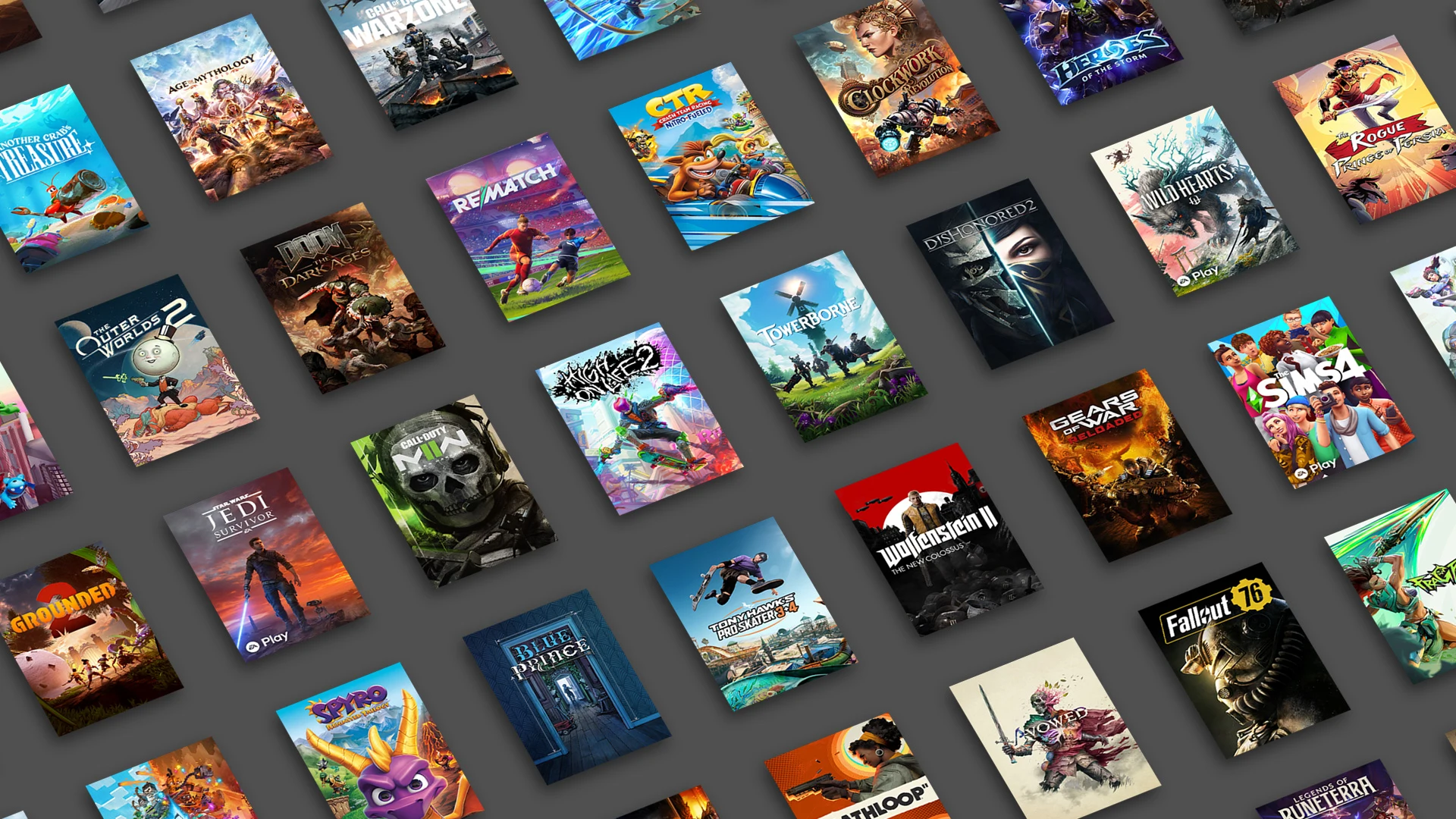
This can create uncertainty about whether a project has succeeded. A title may attract millions of players but produce fewer direct purchases. Without a clear explanation of how that activity translates into studio funding and employee bonuses, the subscription model can feel disconnected from the team’s work.
Game Pass also spreads financial risk across Microsoft’s portfolio. If subscription revenue declines, the effects may be felt by several studios, including teams whose games could have performed well through conventional sales.
The service still provides important benefits
Despite the internal criticism, Game Pass has delivered clear advantages for players and smaller developers.
The service gives subscribers access to a large collection of games without requiring separate purchases. It also encourages people to try unfamiliar genres and releases that they might otherwise ignore.
Independent studios have often described Game Pass agreements as valuable sources of guaranteed funding. A payment from Microsoft can reduce the financial risk of development and provide immediate exposure to a large audience.
During the service’s earlier years, this visibility sometimes helped games become more popular and increased sales on other platforms. Players could discover a title through Game Pass and later purchase it elsewhere or recommend it to friends.
However, those benefits may become harder to measure as subscription habits change. Once customers expect games to arrive through Game Pass, they may become less willing to pay full price for individual releases.
Free games and permanent service titles dominate player attention
Microsoft originally designed Game Pass partly as a response to the growing popularity of free games and long running online titles.
The most played charts on Xbox, PC, and other platforms are often dominated by a small group of service based games. These titles may be free to enter and generate revenue through cosmetic items, battle passes, and smaller purchases.
Game Pass gives traditional premium games another way to compete for attention. A subscriber can try a new $70 release without paying an additional amount, reducing the barrier to entry.
The challenge is converting that attention into sustainable revenue. High engagement does not automatically cover development costs, particularly for large projects that require hundreds of employees and several years of work.
Microsoft must balance the value offered to customers with the cost of funding new releases. If the subscription becomes too expensive, people cancel. If it remains too cheap, Microsoft may struggle to make enough profit from major games.
Microsoft could reduce its focus on day one releases
Microsoft has not confirmed that it will abandon the day one model, but recent changes suggest the company may be reconsidering how Game Pass works.
The latest Call of Duty releases are no longer expected to remain a standard part of day one access. This could indicate a move toward selling major games separately or placing them behind more expensive subscription options.
Another possibility is a more flexible service where customers pay extra for specific franchises or content groups. A basic Game Pass subscription could provide a general library, while Call of Duty, Forza, Minecraft, or other large properties could require separate add-ons.
Such a structure could improve revenue, but it would also make the service more complicated. One of Game Pass’s original strengths was its simple promise that subscribers received access to a wide selection of games for one recurring price.
Microsoft must also be careful not to weaken one of Xbox’s remaining competitive advantages. Exclusive games have become less central to the platform, hardware sales are under pressure, and console prices are increasing. Game Pass continues to give customers a reason to remain in the Xbox ecosystem.
The service still generates billions in revenue and remains popular with many players. The larger question is whether that revenue can support expensive first party development while preserving the value of individual games.
Game Pass is unlikely to disappear, but its current structure may not remain unchanged. Microsoft appears to be examining prices, content access, studio funding, and the role of day one releases as it tries to make Xbox more sustainable.



Discussion (0)
Be the first to comment.