




Windows 7 arrived as Microsoft’s redemption after the disappointing Vista era. It was finalized on July 22, 2009, as the Release to Manufacturing (RTM) build and officially reached consumers on October 22, 2009. The operating system quickly became one of the most stable and widely adopted versions of Windows before support ended years later.
1) Key Windows 7 release dates
Microsoft structured Windows 7’s rollout across multiple phases. Developers and manufacturers received it months before the public launch, ensuring device compatibility and smoother upgrades for end users.
- Beta release – January 9, 2009
- Release Candidate – May 5, 2009
- RTM (build 7600) – July 22, 2009
- Retail availability – October 22, 2009
2) How Windows 7 was launched
The global rollout kicked off with retail events and coordinated OEM shipments. Users could buy boxed copies or pre-installed PCs from major brands on the same day, signaling one of Microsoft’s most polished launches to date.
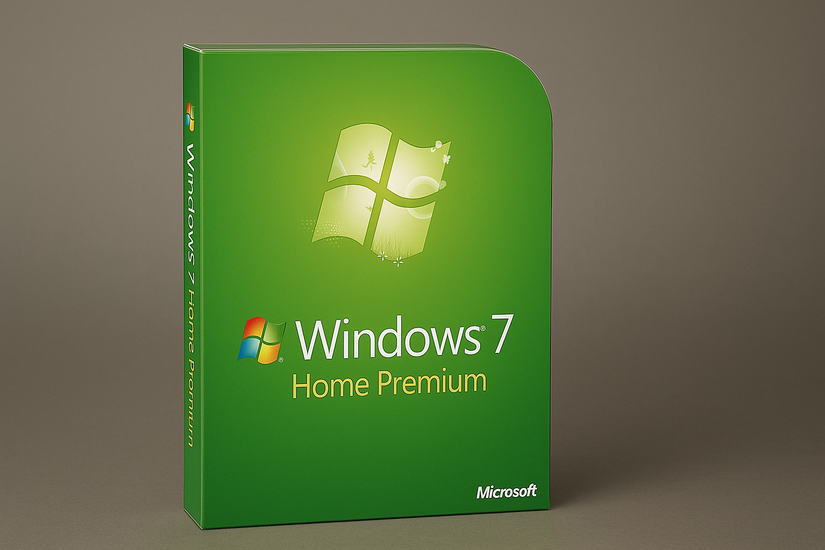
Global rollout and retail packaging
Computer makers like Dell, HP, and Lenovo shipped systems with Windows 7 pre-installed, while retail shelves featured new, colorful packaging. The focus was on making upgrades easy for both home and business customers.
Upgrade programs and pricing
Microsoft introduced the Windows 7 Upgrade Option so users who purchased Vista PCs close to launch could transition to Windows 7 at no extra or reduced cost. This approach helped boost early adoption and customer goodwill.
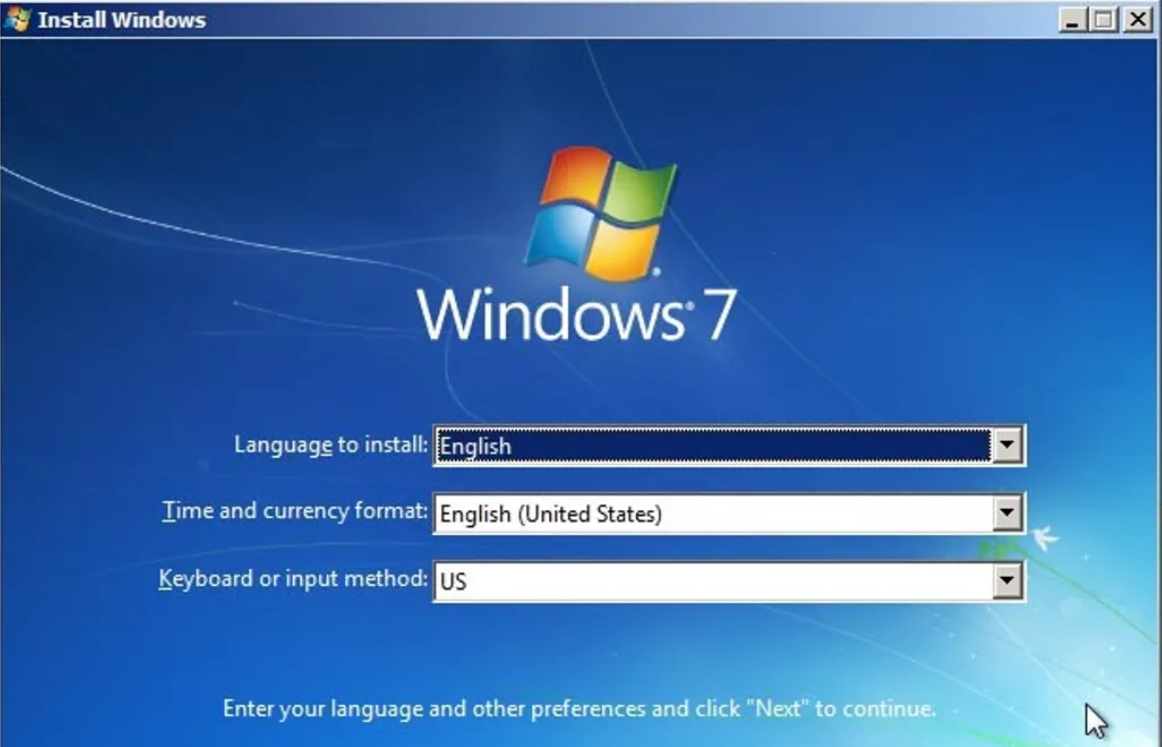
3) Editions and features available at release
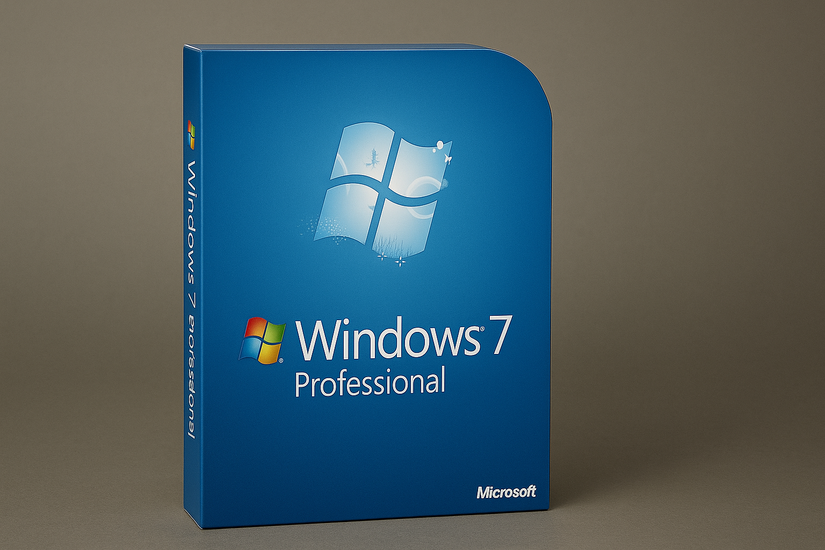
Windows 7 launched in six editions: Starter, Home Basic, Home Premium, Professional, Enterprise, and Ultimate. Each edition targeted different audiences - from netbook users to corporate environments. Compared to Vista, it introduced better memory management, faster boot times, and new features like Aero Peek, Snap, and a redesigned Taskbar.
4) Windows 7 support lifecycle
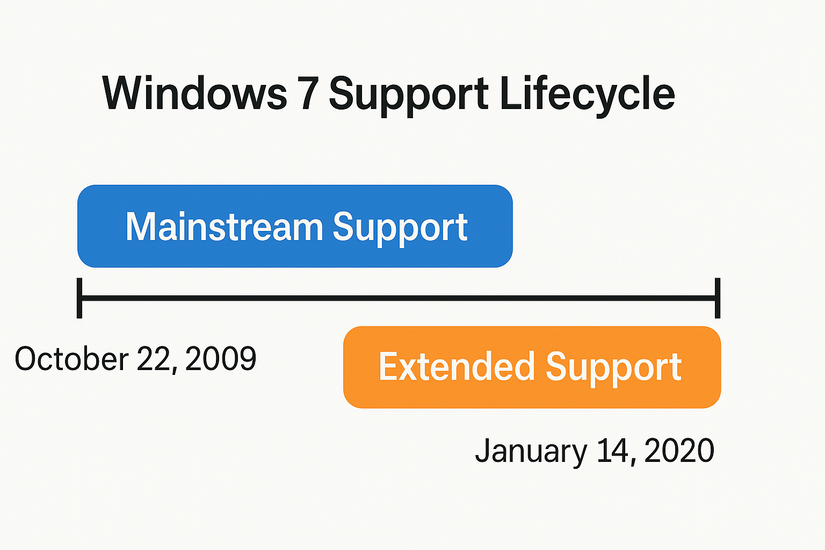
Microsoft’s product lifecycle gave Windows 7 a decade of support, divided into mainstream and extended phases. Knowing these dates helps users understand when updates and patches stopped.
- Mainstream support: October 22, 2009 – January 13, 2015
- Extended support: January 14, 2020 (end date)
After 2020, only organizations that paid for Extended Security Updates (ESU) continued to receive patches. For everyone else, upgrading to Windows 10 or Windows 11 became the secure choice.
5) Why Windows 7 mattered
Windows 7 fixed the performance issues that frustrated Vista users. It delivered faster startup times, better driver stability, and cleaner visuals. Businesses adopted it quickly, making it a staple in corporate environments for nearly a decade.
6) Legacy of Windows 7 after end of support
Even after support ended in 2020, millions of users continued to run Windows 7 because of its reliability and familiar layout. Microsoft later offered limited security updates through ESU, but most modern apps and browsers have since stopped supporting it. Users are encouraged to upgrade for continued protection and compatibility.
FAQs
Who developed Windows 7? Microsoft Corporation developed Windows 7 under the Windows NT family, focusing on stability, security, and usability improvements over Vista.
How long was Windows 7 supported? It received updates for 10 years - five under mainstream support and five under extended support before final security updates ended in January 2020.
Can you still use Windows 7 today? You can still use Windows 7, but it no longer receives regular security patches or compatibility updates. For safer alternatives, consider upgrading to Windows 11.
What replaced Windows 7? Windows 8 succeeded Windows 7, followed by Windows 10 and Windows 11, which modernized the interface and improved hardware support.
Quick summary
- Beta release: January 2009
- RTM build: July 22, 2009
- Public release: October 22, 2009
- Support ended: January 14, 2020
Conclusion
Windows 7 launched on October 22, 2009, and redefined Microsoft’s desktop experience with faster performance and intuitive design. Its success shaped the foundation for modern Windows versions, and though support has ended, its influence remains clear in the operating systems that followed.
Discussion (0)
Be the first to comment.