




Sharding is a blockchain scaling technique that divides the network into smaller, parallel segments known as shards. Each shard operates as a mini blockchain, processing its own transactions and smart contracts without depending on the main chain for every task. This distributed design allows the overall network to handle more activity at once, increasing both speed and capacity.
In this guide, we will explain what blockchain sharding is, the types, benefits, and every other important detail there is to know about it.
1) Why blockchains need sharding
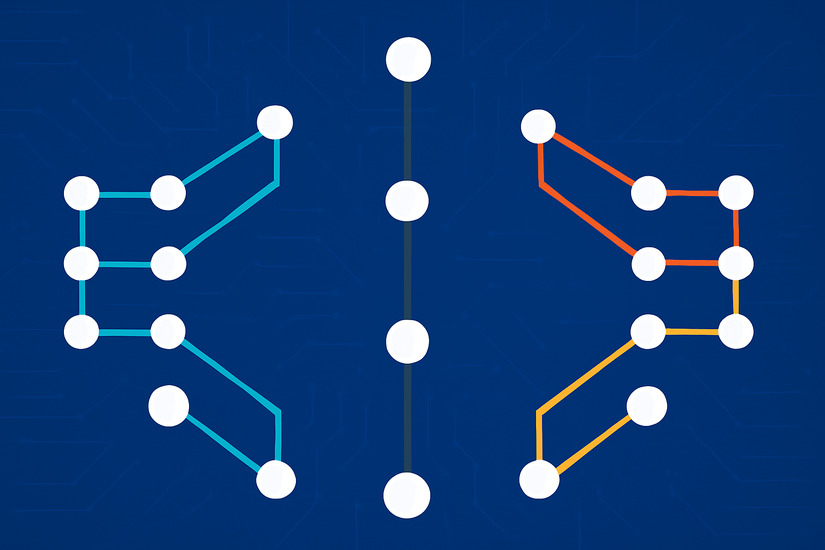
Most early blockchains were built with every node verifying every transaction for security. While this model is reliable, it doesn’t scale well once thousands of users join the network. The more nodes and transactions added, the slower the system becomes, resulting in longer confirmation times and higher fees.
Sharding solves this by distributing validation work across multiple groups of nodes. Instead of having all nodes process the same transaction, each shard handles a portion of the total workload.
This design keeps blockchains decentralized but efficient, supporting higher transaction volumes without overloading the system.
2) How sharding works in blockchain
In a sharded blockchain, the network’s data is split horizontally, with each shard containing its own set of accounts, contracts, and transaction history. These shards process activity simultaneously, then send updates to a central coordinating chain known as the beacon or root chain.
Each node in a sharded network is assigned to one shard, storing only a fraction of the full data. This greatly reduces the storage and computation requirements needed to participate in the network. Validators rotate between shards over time, improving security and preventing any group from controlling a shard permanently.
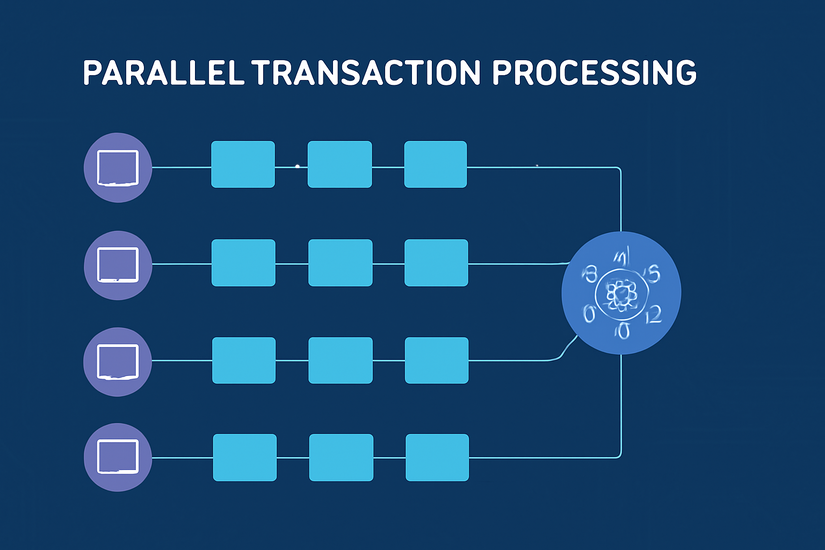
Parallel transaction processing
The main advantage of sharding is parallelism. Since shards operate independently, multiple transactions can be validated at once instead of waiting for a single global queue. The result is dramatically higher throughput, often measured in thousands of transactions per second, compared to a few dozen in unsharded systems.
Cross-shard communication
To keep the network unified, shards must exchange data securely through a coordination mechanism. When a transaction involves accounts on different shards, the system uses cross-shard communication protocols to route the information safely. This prevents double-spending and ensures all shards agree on the global state.
3) Types of blockchain sharding
Developers use several kinds of sharding depending on what they want to optimize. Each approach addresses different challenges related to storage, computation, and transaction validation. The three primary types are network, transaction, and state sharding.
Network sharding
Network sharding divides nodes into smaller groups that handle specific subsets of the network’s transactions. Each shard group validates only its assigned tasks, reducing the workload per node and increasing efficiency. It’s one of the simplest and most commonly used forms of sharding.
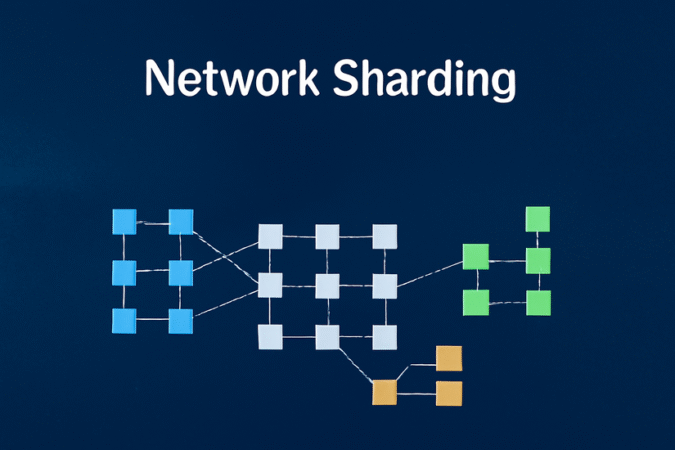
However, network sharding requires secure validator assignment to prevent malicious nodes from taking over a shard. Randomization and rotation mechanisms help ensure fair participation and maintain network trust.
Transaction sharding
In transaction sharding, transactions are grouped based on predefined rules - such as account addresses or smart contract identifiers - and processed by specific shards. This keeps related data together and helps the network process thousands of transactions in parallel. It’s particularly effective for blockchains with high user activity.
State sharding
State sharding is the most advanced form and focuses on splitting the blockchain’s stored data itself. Each shard keeps only a portion of the network’s full state, such as account balances or smart contract information. This method drastically reduces storage needs per node and enhances scalability.
4) Benefits of sharding
The primary benefit of sharding is scalability. By processing multiple transactions across shards simultaneously, networks can increase throughput dramatically while keeping fees low. This makes blockchain technology more practical for financial services, gaming, and enterprise applications that require high transaction volume.
Sharding also improves efficiency by reducing the hardware requirements for node operators. Since each node stores less data, more users can participate in network validation without needing expensive equipment. This helps maintain decentralization while expanding access to the ecosystem.
5) Challenges and security risks
While sharding enhances performance, it introduces new technical challenges. The need to coordinate transactions across shards adds complexity and increases the chance of synchronization errors. A poorly designed system could suffer from data mismatches or delayed confirmations.
Security is another major concern because each shard represents a smaller subset of the network. If attackers control enough validators in one shard, they could manipulate its data. Blockchain developers counter this by rotating validators and using cryptographic randomness to secure shard assignments.
6) Examples of sharding in practice
Ethereum’s roadmap includes a major upgrade known as Danksharding, which expands on its initial data sharding phase. Danksharding will allow Ethereum to process large amounts of data efficiently while supporting Layer-2 rollups. This hybrid approach aims to combine scalability with robust decentralization.
Other projects like NEAR Protocol and Zilliqa already use sharding successfully. NEAR employs dynamic state sharding that adjusts based on network load, while Zilliqa was one of the first public blockchains to demonstrate real-world throughput gains using shard-based validation.
7) Sharding vs. other scalability solutions
Sharding differs from off-chain scaling methods such as rollups or sidechains. Rollups process transactions outside the main chain and periodically post results back, whereas sharding restructures the base layer itself. This makes sharding a foundational solution that permanently increases network capacity.
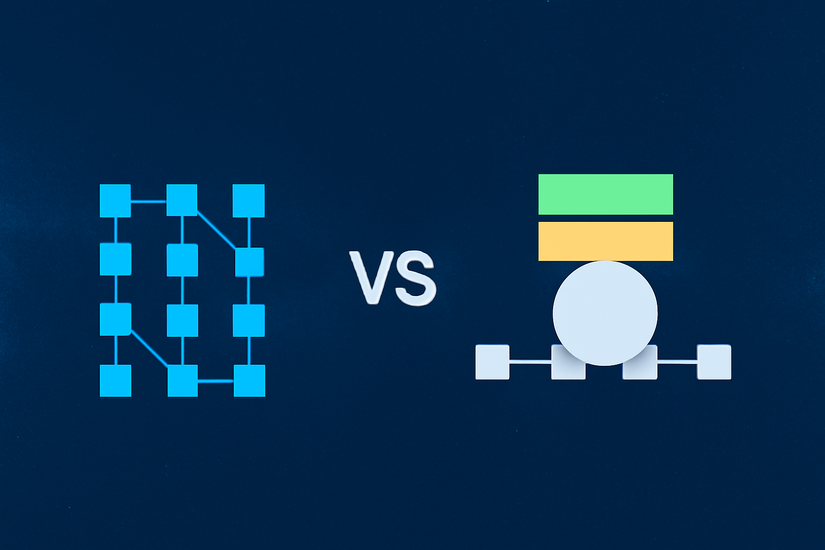
In practice, most blockchains will combine both approaches. Sharding can handle large volumes of data at the core level, while Layer-2 solutions manage application-specific workloads. Together, they form a multi-layered system capable of meeting global demand.
8) Future of sharding in blockchain
Sharding continues to evolve as developers refine its design and improve cross-shard communication. Upcoming innovations like Proto-Danksharding in Ethereum’s EIP-4844 aim to make data availability faster and cheaper. These updates lay the foundation for widespread blockchain adoption at web-scale levels.
Beyond Ethereum, research into zero-knowledge proofs and modular architectures could further enhance sharding’s efficiency. Combining sharding with proof aggregation or hybrid consensus models may solve the long-standing blockchain trilemma of scalability, security, and decentralization.
Key takeaways
Sharding splits a blockchain into smaller shards that can process transactions in parallel, greatly improving scalability. It enables faster transaction speeds, lower fees, and better resource distribution without sacrificing decentralization. However, it also introduces complex coordination and security challenges that developers must address carefully.
As projects like Ethereum, NEAR, and Zilliqa continue refining their implementations, sharding is emerging as a cornerstone of next-generation blockchain design. Future advancements promise even greater efficiency and flexibility, paving the way for global, scalable decentralized systems.


Discussion (0)
Be the first to comment.