



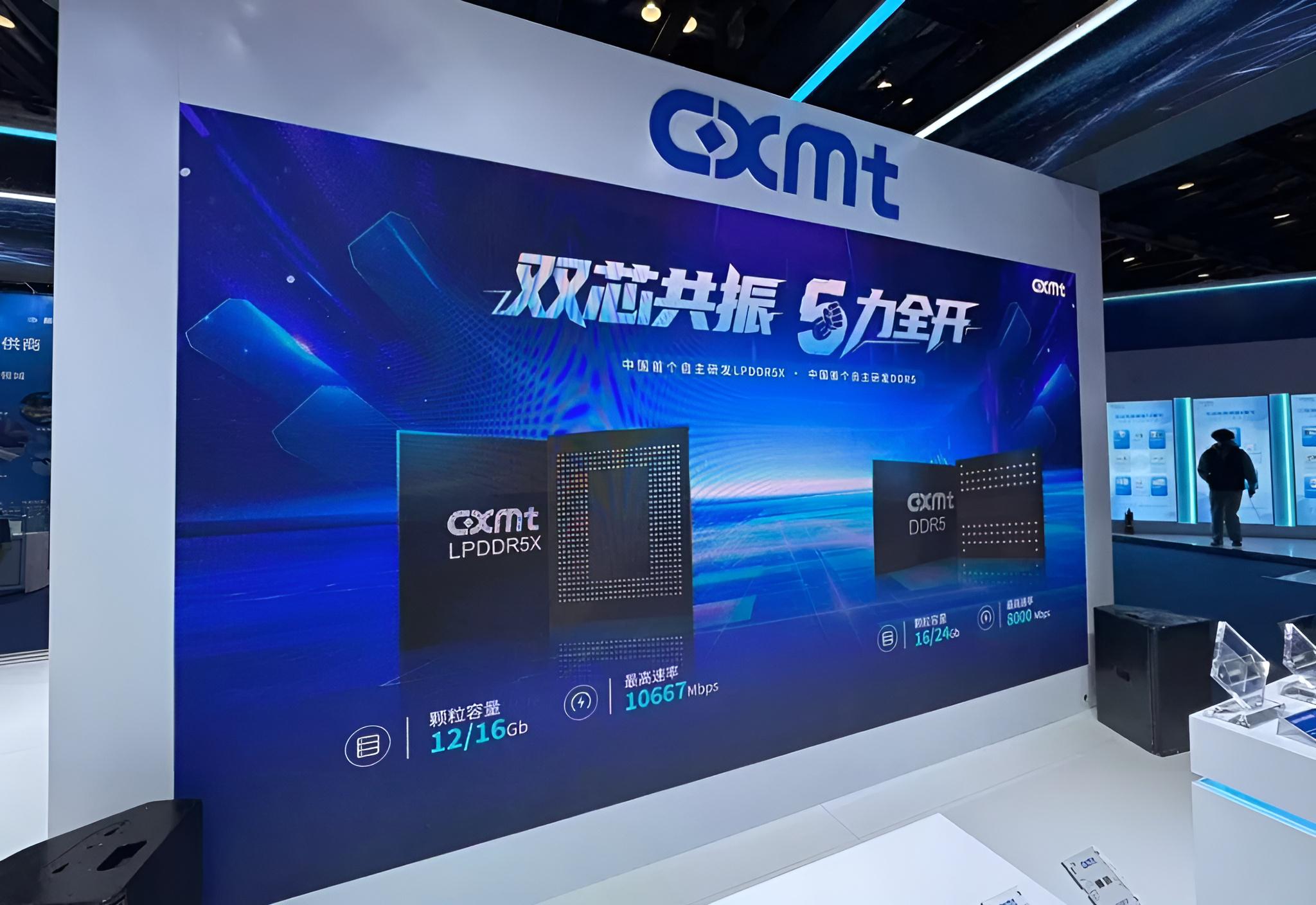
A rumor claiming that Google may buy memory chips from China’s CXMT has faced new skepticism after an analyst said there is no concrete plan for such an agreement. The original claim has not been withdrawn, however, leaving the situation unclear as memory shortages continue to push major technology companies to explore new supply options.
The report first suggested that Google was evaluating CXMT as a possible source of DRAM chips. That possibility drew attention because Google is expanding its AI infrastructure and may need large volumes of memory for future data center hardware, including custom TPU accelerators.
A new assessment now argues that Google does not currently have a confirmed procurement plan with CXMT. The person behind the original rumor has responded by saying the earlier claim did not state that an agreement had been finalized, only that Google was considering the possibility.
For now, there is no official confirmation that Google will purchase memory chips from CXMT. The story remains a rumor and should be treated carefully until either company announces a partnership or supply arrangement.
Memory Shortages Could Push Large Companies to Explore More Suppliers
The rumor has gained attention because the memory market is under unusual pressure. Demand from AI data centers has increased the need for DRAM, high bandwidth memory, and enterprise storage products. At the same time, supply has remained limited, pushing costs higher for major hardware buyers.
Google operates large data centers and develops its own AI processors, so securing reliable memory supply is becoming increasingly important. Any new supplier could help reduce dependence on the small number of companies that dominate the global memory market.
CXMT has been expanding its production capacity and has been working to increase its role in the DDR5 memory market. The company is reportedly aiming to grow output significantly by the end of 2026, although its technology and manufacturing scale still differ from the largest established memory companies.
| Factor | Why It Matters |
|---|---|
| Rising DRAM prices | Large buyers are looking for more stable supply options |
| AI infrastructure growth | Data centers require more memory for training and inference |
| Google’s custom TPU plans | Future accelerators could need large volumes of advanced memory |
| CXMT production expansion | More output could make it a stronger supplier over time |
| Technology gap | Advanced memory products remain difficult to produce at scale |
A Potential Deal Would Likely Focus on Future AI Hardware
If Google ever moves forward with CXMT, the agreement could be connected to future AI hardware rather than consumer products. Google is expected to expand its custom TPU development over the coming years, and each new generation of AI hardware requires a large supply of memory chips.
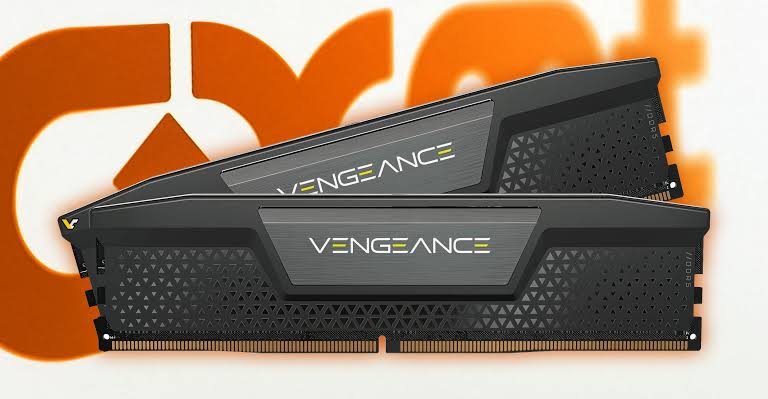
Memory is one of the most expensive and difficult parts of an AI system to secure. AI accelerators need fast memory to process large models and data sets, while supporting servers also require DRAM and storage in large quantities.
That makes supply chain flexibility valuable. A company such as Google may evaluate multiple suppliers even if it has no immediate plan to sign a major deal.
The Situation Remains Unconfirmed
The conflicting reports show how difficult it is to verify supply chain discussions before companies make public announcements. Large technology companies often examine suppliers, test components, and negotiate possible arrangements long before any final purchase agreement is signed.
Google may be studying CXMT as a potential option, or the company may have no active procurement plan at all. Both possibilities remain open because neither company has publicly confirmed a deal.
The wider point is clear: rising memory costs and limited supply are forcing major technology companies to consider every available option. As AI infrastructure expands, memory suppliers that can offer competitive products and reliable production may become more important to the global hardware market.

Discussion (0)
Be the first to comment.