



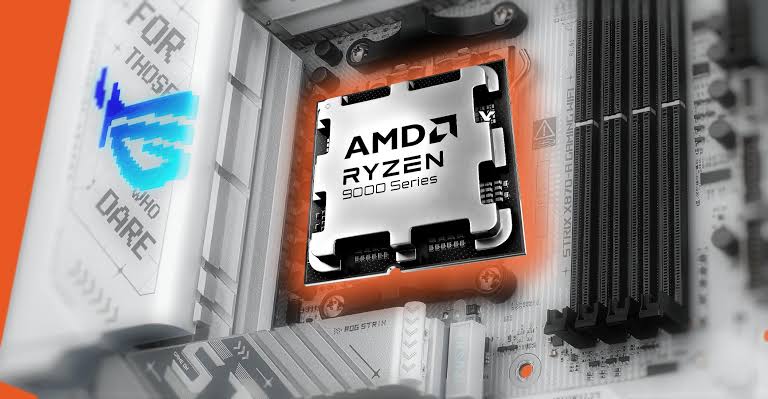
A Ryzen 7 9800X3D owner has reported that their processor suddenly stopped working while installed in an ASUS X870 motherboard, with the system refusing to boot after a game crash. The owner says the chip showed no visible burn marks, but testing with another motherboard reportedly confirmed that the processor had failed.
The situation became more frustrating because the owner could not provide proof of purchase. Without an invoice, the processor could not be submitted for a warranty replacement, turning what was once a high end gaming CPU into an expensive keychain.
The report should be treated as an individual case rather than proof of a wider issue with every Ryzen 7 9800X3D processor or ASUS X870 motherboard. However, it adds to ongoing concern among AM5 platform owners after earlier reports of Ryzen 7000 and Ryzen 9000 X3D chips failing or showing damage on some 800 series motherboards.
The PC Reportedly Froze Before It Would No Longer Boot
According to the owner, the PC froze during a game session and needed a forced restart. After that, the system would no longer complete its startup process, with the motherboard’s DRAM warning light remaining on.
The owner reportedly tried several common troubleshooting steps before taking the system to a repair shop. These included reinstalling the processor, clearing the CMOS, updating the BIOS, and removing a CPU contact frame.
The shop then tested the components and found that the processor did not work even when installed in another motherboard. That result led the owner to conclude that the Ryzen 7 9800X3D had failed internally.
The owner said the CPU had been running with a SoC voltage of 1.23V and adjusted Precision Boost Overdrive power settings. There was reportedly no visible damage on the processor substrate or the contact pads.
| Reported Component | Specification |
|---|---|
| Processor | AMD Ryzen 7 9800X3D |
| Motherboard | ASUS ROG Strix X870 A |
| Memory | Kingston Fury 32GB DDR5 6000 MT/s CL30 |
| Reported SoC voltage | 1.23V |
| Reported PBO limits | PPT 120, TDC 100, EDC 100 |
| Failure symptom | PC freeze followed by no boot and persistent DRAM light |
Missing Proof of Purchase Can Create a Major Problem
The processor was reportedly purchased through a reseller rather than an authorized retailer, and the owner did not have an invoice. That meant there was no clear purchase record available for a warranty claim.
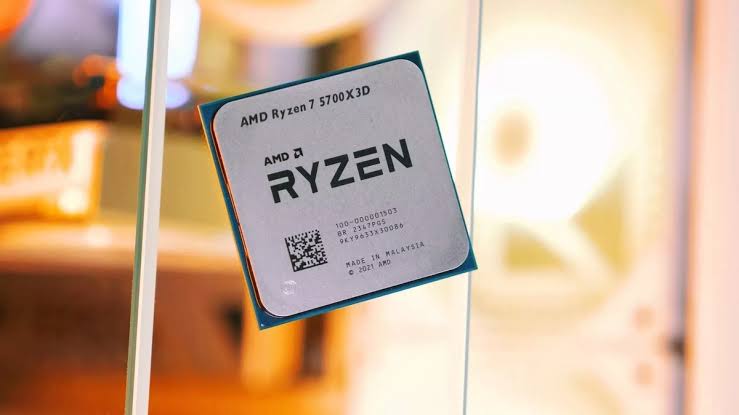
This is an important reminder for anyone buying expensive PC hardware from third party sellers. A lower price can be tempting, especially for popular gaming parts, but the savings may disappear if the item fails and the manufacturer asks for proof of purchase.
Keeping receipts, order confirmations, and retailer invoices is useful even when hardware works normally. These documents can be required for warranty service, returns, insurance claims, or resale.
AM5 Owners Should Keep BIOS and Settings in Check
A single failure report cannot identify the exact cause of a dead processor. Hardware failures can involve the CPU, motherboard, memory, BIOS version, power delivery, cooling, or an issue that cannot be confirmed without detailed inspection.
Still, AM5 owners should use a current stable BIOS version, avoid unnecessarily high voltage settings, and confirm that memory overclock profiles are running within safe limits. It is also sensible to monitor system temperatures and stability after changing BIOS settings.
The Ryzen 7 9800X3D remains one of AMD’s most capable gaming processors, but this case shows why documentation matters as much as hardware care. A failed component is difficult enough. Losing the option of a warranty replacement can make the experience far more costly.



Discussion (0)
Be the first to comment.