




A drone’s flight controller handles every core action that keeps the aircraft stable, responsive, and safe. As the central processor, it reads sensor data, interprets pilot inputs, and sends precise instructions to the motors. If you want to understand how drones maintain balance, hold altitude, or fly autonomously, learning what a flight controller does is essential.
What Is A Flight Controller In Drone?
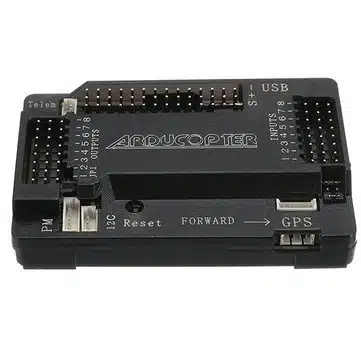
A flight controller is the onboard computer that manages all flight operations. It reads orientation, speed, altitude, and GPS data, then adjusts motor output to keep the drone steady. It also enables features like position hold, waypoint navigation, auto-return, and stabilization modes. Whether you fly FPV or camera drones, the flight controller ensures safe and predictable behavior.
Key Components Inside A Drone Flight Controller
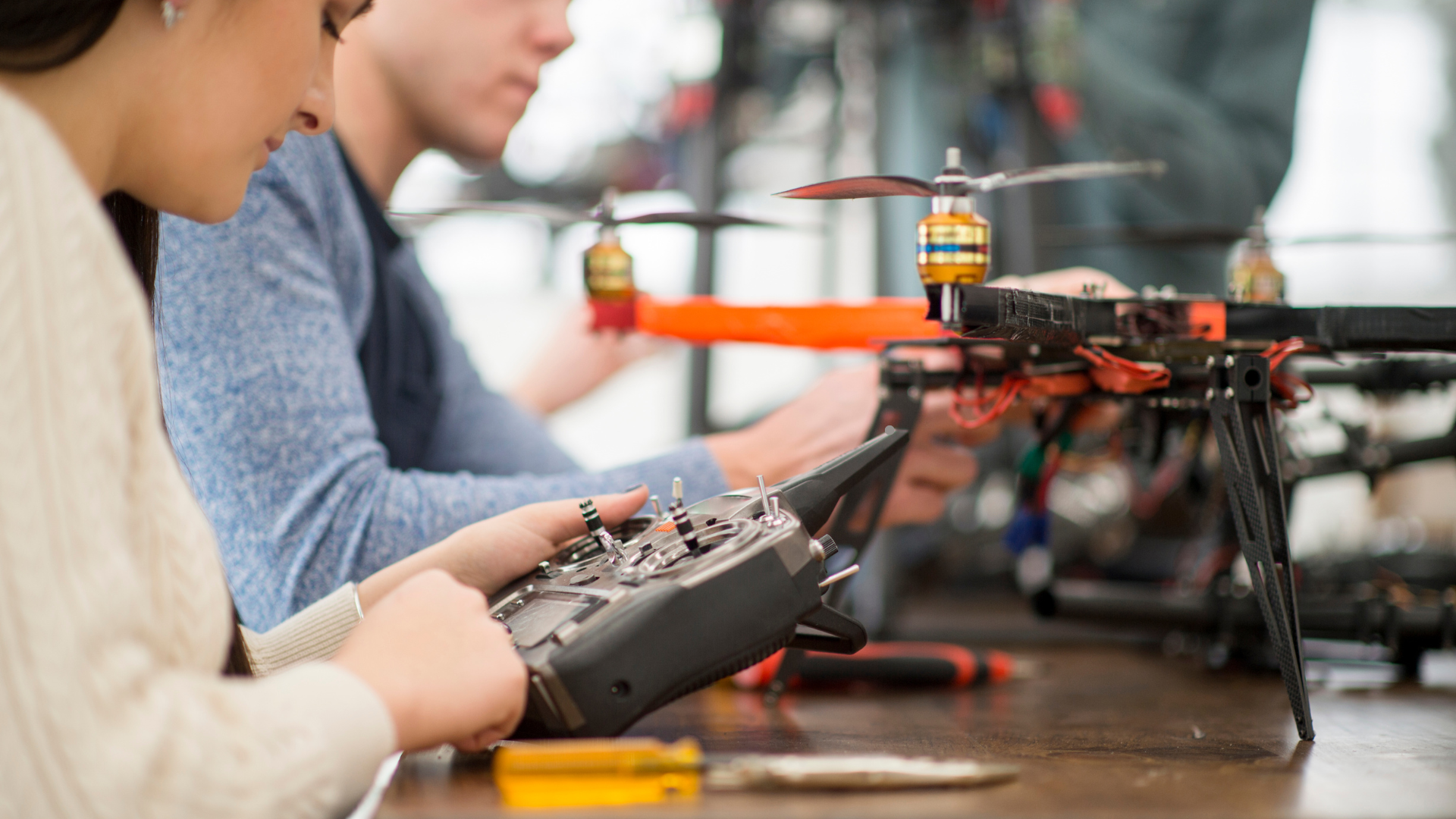
A modern drone flight controller combines several hardware components to make precise adjustments during flight. These components work together to deliver stable performance and responsive control. It's vital to use the highest-quality components when building a drone.
Main Processor: Handles all calculations and algorithm processing.
Gyroscope and Accelerometer: Track pitch, roll, and yaw to keep the drone balanced.
Barometer: Reads air pressure to maintain altitude.
GPS Receiver: Enables mapping, waypoint routes, and Return-to-Home.
Compass: Determines heading direction for stable navigation.
Electronic Speed Controllers: Regulate motor speed based on flight controller instructions.
RF Receiver: Passes commands from the remote controller.
Power Distribution: Feeds regulated power to all connected components.
What Does A Drone Flight Controller Do?
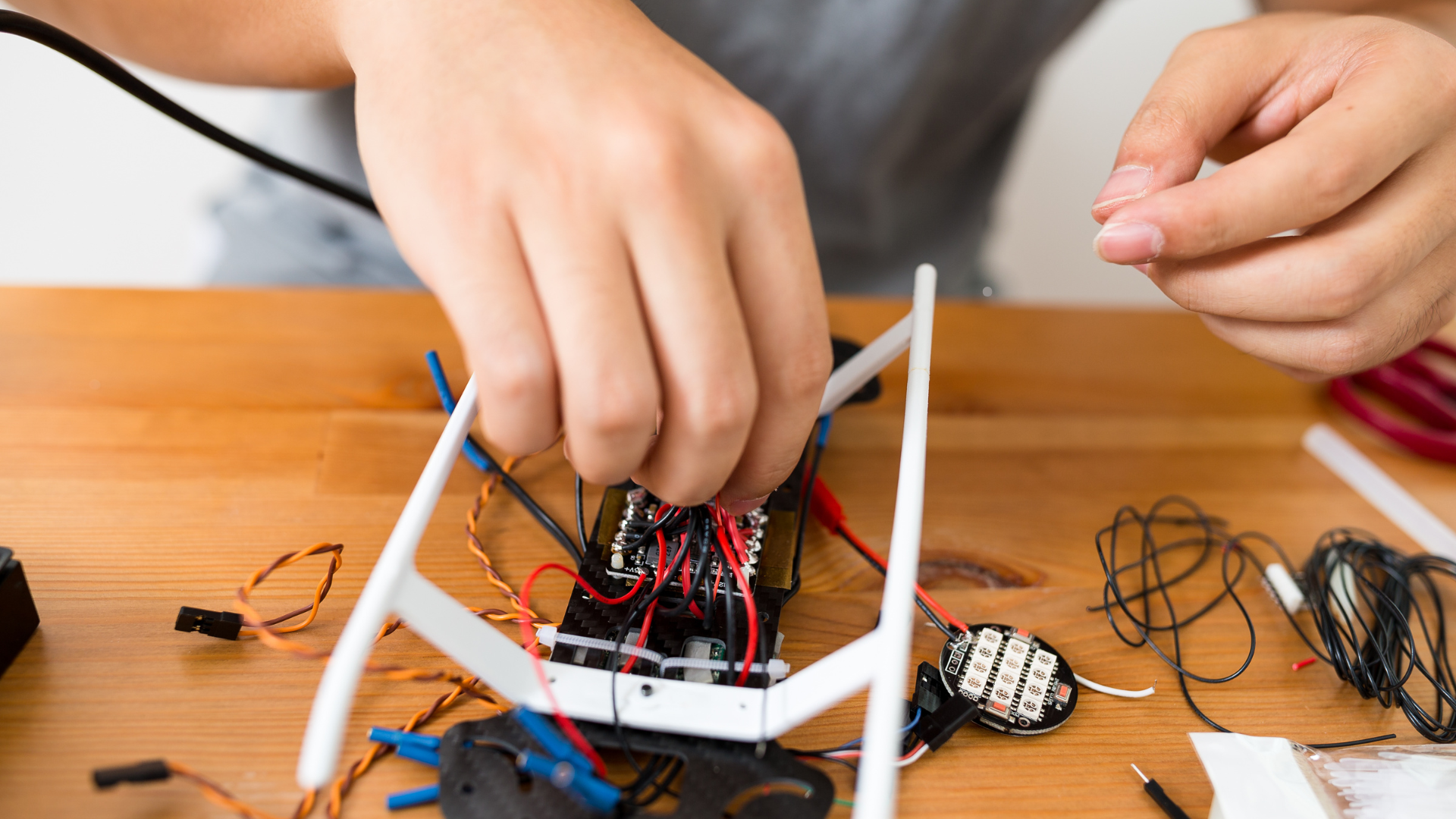
A flight controller performs several critical functions that influence how a drone behaves in real time. Each function uses data from multiple sensors and feedback loops to adjust the drone’s movement.
Flight Stabilization: Keeps the drone level and balanced.
Altitude Control: Maintains steady height using barometer and sensor inputs.
Flight Modes: Supports Manual, Stabilized, GPS-assisted, and Autonomous flying.
Telemetry Output: Sends status data like speed, battery, GPS position, and altitude.
Failsafe Actions: Triggers Return-to-Home or emergency landing when needed.
Navigation Control: Executes waypoint paths and automated missions on advanced models.
How A Drone Flight Controller Works
The flight controller constantly monitors sensor data and compares it against pilot commands. It calculates the exact adjustments needed to stabilize the drone, then sends those commands to each motor.
Here’s the simplified process:
- The controller receives throttle, pitch, roll, and yaw input from the pilot.
- Sensors track how the drone is actually moving.
- The flight controller compares intended movement with real-time data.
- It computes required corrections using stabilization algorithms.
- Electronic Speed Controllers instantly adjust motor speeds.
- The cycle repeats hundreds of times per second.
This rapid feedback loop is why drones can hover smoothly, resist wind, and respond instantly to your joystick movements.
Types Of Drone Flight Controllers
Different drones require different levels of performance. These common categories help you understand what fits your aircraft type:
Basic Controllers: Ideal for beginner quadcopters with limited features.
Advanced Controllers: Offer GPS navigation, multiple flight modes, and high stability.
Open-Source Controllers: Options like ArduPilot or Betaflight for custom setups.
F3, F4, F7 Series: Updated microprocessors offering improved speed and responsiveness.
Autopilot Systems: Used in professional drones for surveying and mapping.
Factors To Consider When Choosing A Drone Flight Controller
- Drone size and motor configuration
- Required flight modes and automation features
- GPS compatibility
- Ease of configuration and tuning
- Available documentation and firmware support
- Expandability for future accessories
- Budget and brand reliability
Installation And Configuration Tips
- Mount the flight controller in the center for best balance.
- Ensure vibration-free placement using foam or soft mounts.
- Connect GPS, receiver, ESCs, and other modules correctly.
- Update to the latest stable firmware.
- Calibrate accelerometer, compass, and radio input.
- Perform a test hover in an open area to fine-tune settings.
Troubleshooting Common Flight Controller Problems
- Unstable flight: Recalibrate sensors and check prop balance.
- GPS drift: Move the GPS module away from interference.
- Incorrect orientation: Verify mounting direction in settings.
- Failsafe triggers: Check signal strength and battery voltage.
- Motor desync: Update ESC firmware and recalibrate.
Conclusion
The flight controller is the most important part of any drone, handling stability, navigation, and safety. Understanding its components, features, and setup process helps you choose the right controller and maintain consistent performance. Whether you fly recreational drones or professional aircraft, a well-configured flight controller ensures smooth, accurate, and reliable flights.


Discussion (0)
Be the first to comment.