


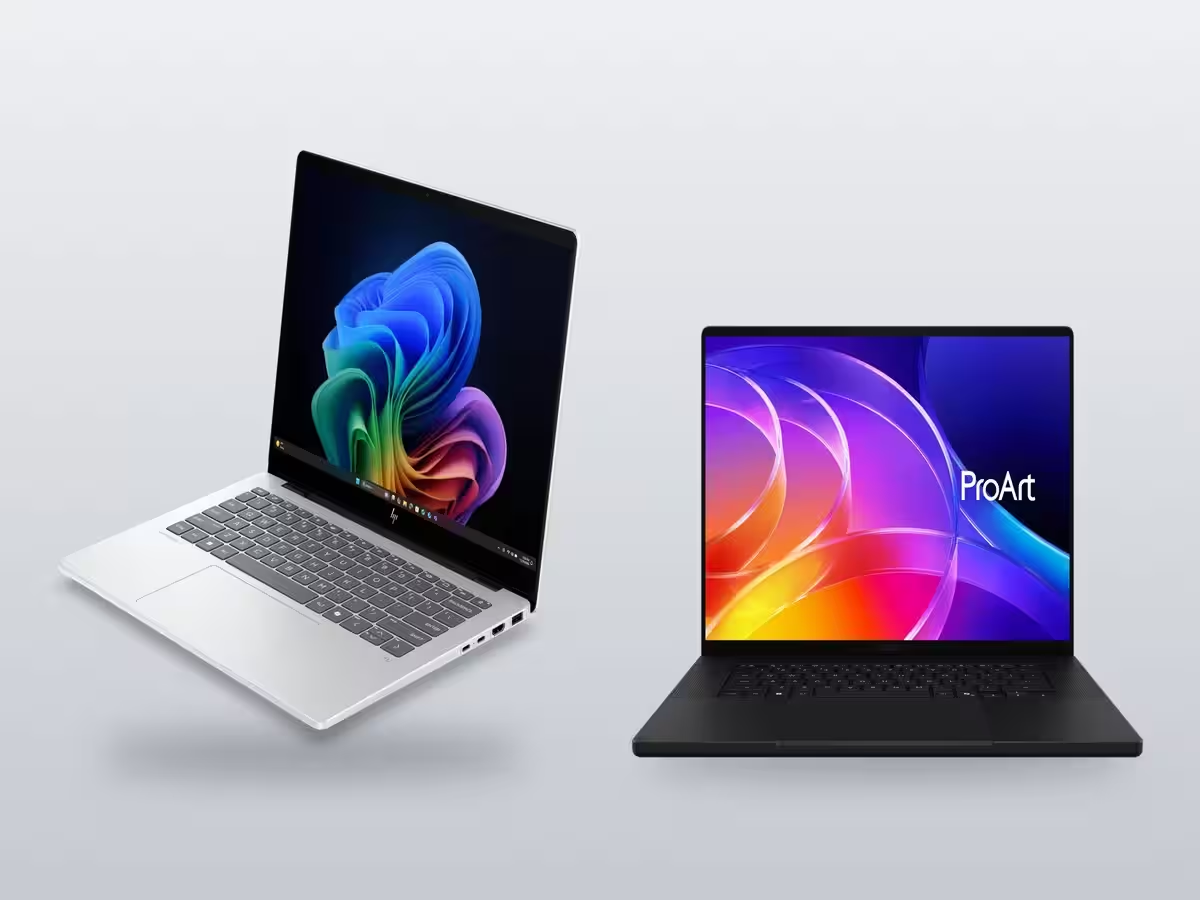
Major PC manufacturers, including HP, Asus and Acer, are reportedly shifting some production capacity back to China as rising component prices put pressure on manufacturing costs.
The move comes as growing demand for artificial intelligence infrastructure creates shortages of memory, storage and other essential components. These shortages have increased production expenses, encouraging computer manufacturers to reconsider where they assemble their products.
China is becoming an attractive option because of its established electronics supply chain, experienced workforce and relatively competitive manufacturing costs.
The companies are reportedly working with smaller Chinese contractors rather than relying entirely on established manufacturing partners that have increasingly focused on AI infrastructure.
Rising Memory and Component Prices Are Affecting PC Production
The increasing cost of computer components is a major reason behind the reported changes.
Memory prices have reportedly increased by as much as 500% over the past 12 months, reflecting supply shortages associated with demand from the AI industry.
Other materials, including printed circuit boards and fiberglass cloth used in motherboards, have also become more expensive.
These increases are particularly challenging for consumer PC manufacturers, which must control production expenses while maintaining competitive retail prices.
Acer CEO Jason Chen has previously expressed concerns that some suppliers are using fears of shortages to support higher component prices.
Chinese Manufacturers Are Attracting New PC Orders
Several Chinese contract manufacturers are reportedly benefiting from the shift in production.
Companies such as Luxshare, Huaqin Technology and Longcheer Technology are seeking additional business from major PC brands.
Unlike some established suppliers that have redirected manufacturing resources toward AI servers, these companies are expanding their presence in traditional PC manufacturing.
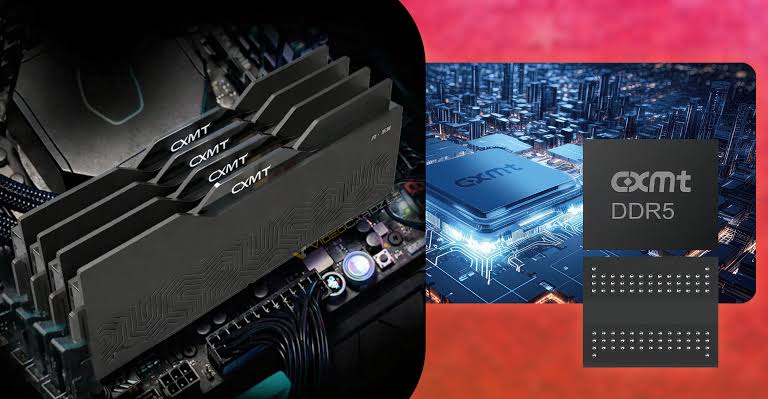
Another advantage is their access to domestic memory suppliers, including CXMT.
Chinese contractors have reportedly promoted their ability to secure locally manufactured memory chips as a reason for international computer brands to work with them.
This could help manufacturers manage component availability while reducing some supply chain expenses.
Southeast Asian Factories Face Uncertainty
The change could create challenges for manufacturing operations established outside China during 2024 and 2025.
Several technology companies previously expanded production into Southeast Asian countries to reduce exposure to US tariffs and geopolitical tensions.
However, some facilities are now facing weaker demand as orders return to China.
One component supplier reportedly established two production lines in Thailand for PC customers, only to see substantial orders move back to Chinese factories before those lines became profitable.
Despite these developments, major computer manufacturers are not necessarily abandoning their strategy of maintaining production capacity outside China.
Instead, they appear to be adjusting the balance between manufacturing costs and supply chain diversification.
Building alternative production networks requires significant investment, particularly when newer locations lack China's established supplier relationships and manufacturing expertise.
For PC brands competing in the consumer market, lower production costs remain important as component shortages continue to affect the industry.


Discussion (0)
Be the first to comment.