



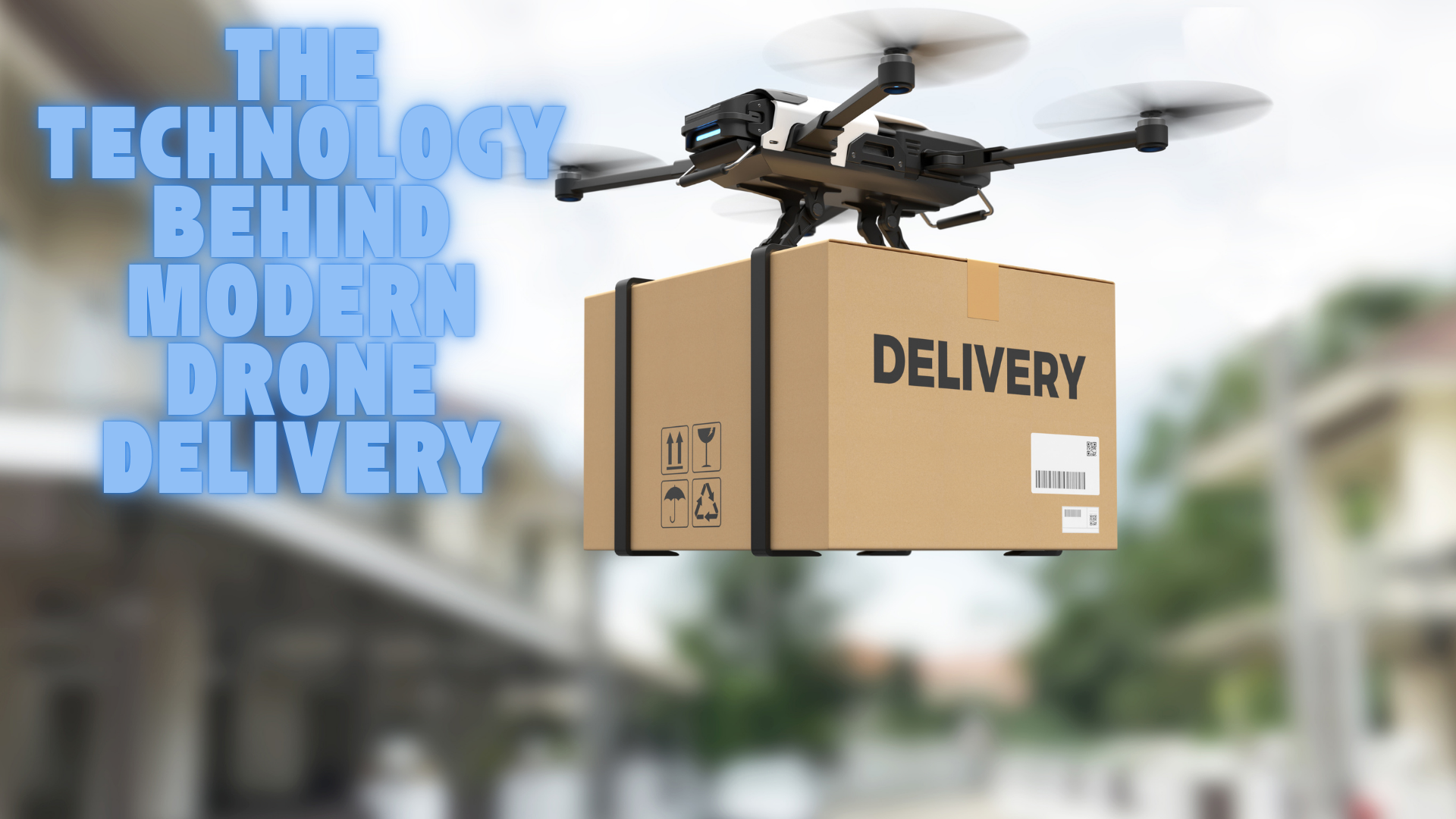
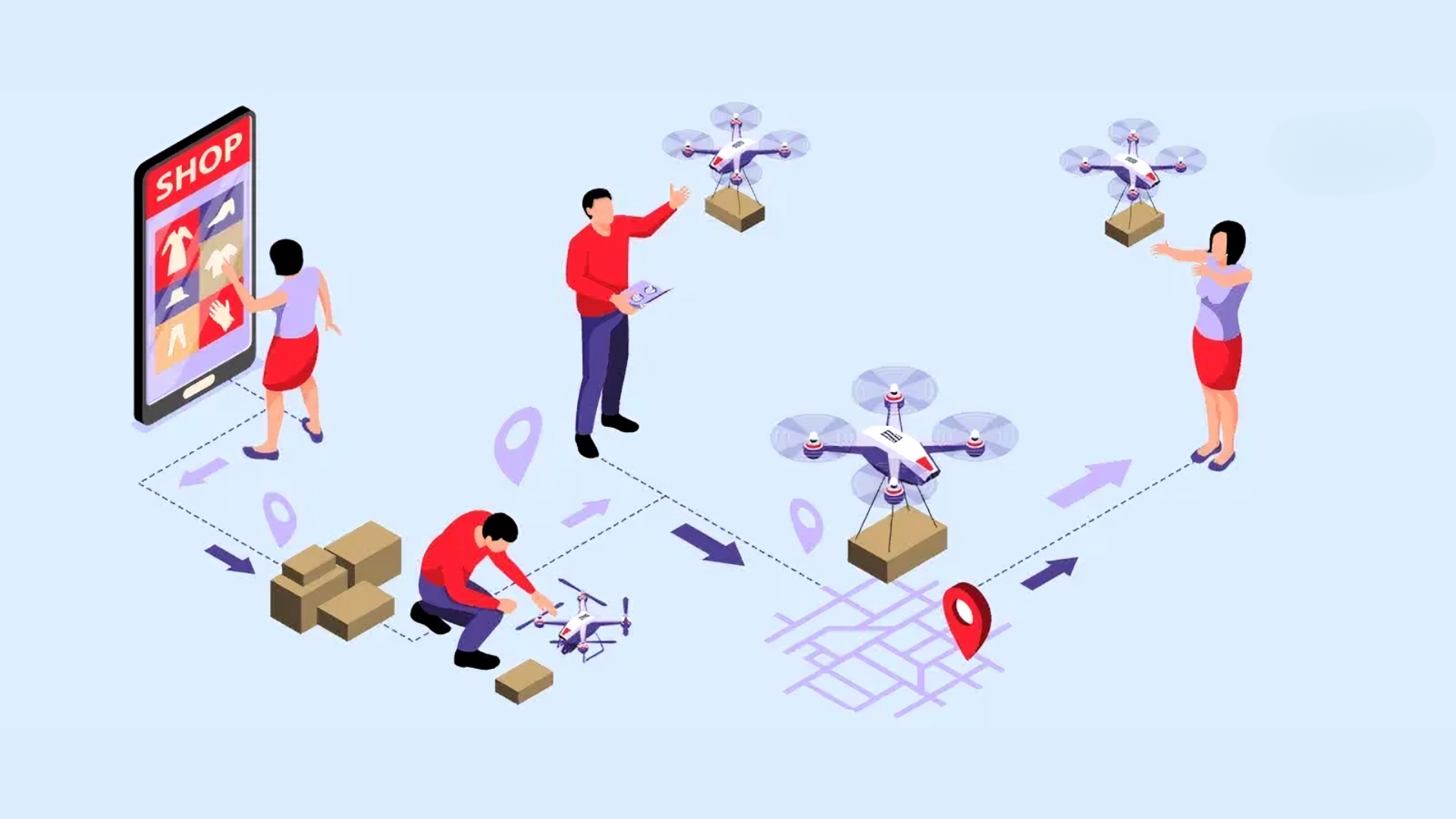
Drone delivery is no longer a futuristic idea. Companies now use unmanned aircraft systems to deliver packages directly to homes and businesses that place orders via apps, reducing travel delays and speeding up last-mile logistics. At the time of writing, drone delivery plays a growing role in e-commerce, medical transport, and fast on-demand delivery services.
Understanding how drone delivery works helps explain why major carriers and tech companies are investing in autonomous flight, GPS navigation, and lightweight airframes. Modern commercial drones combine navigation software, high-precision sensors, and real-time positioning to transport small packages more efficiently than traditional vans. This explainer breaks down the full system: how drones fly, how deliveries are coordinated, the technologies involved, and the limitations that still impact adoption.
How Drone Flight Works
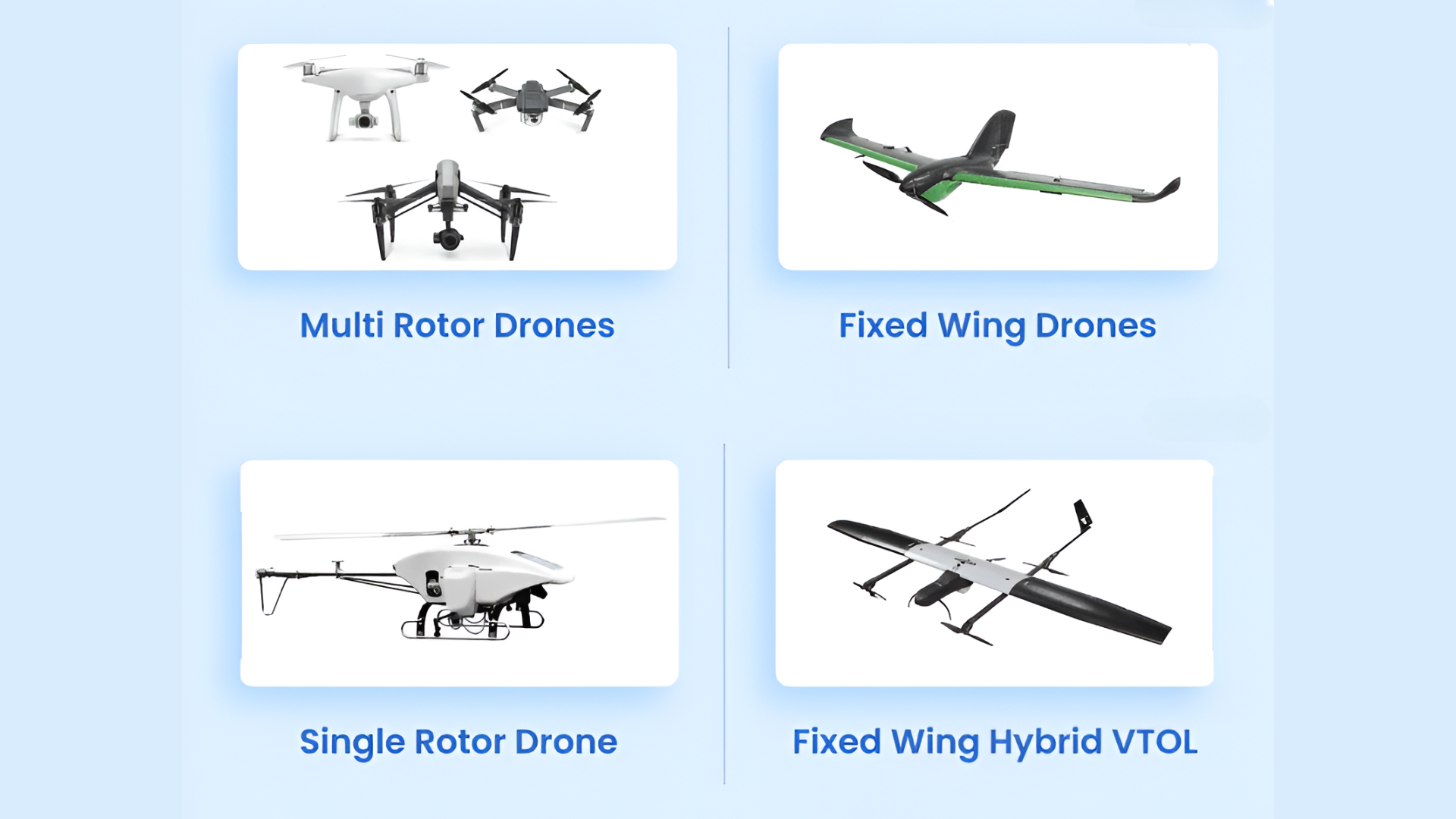
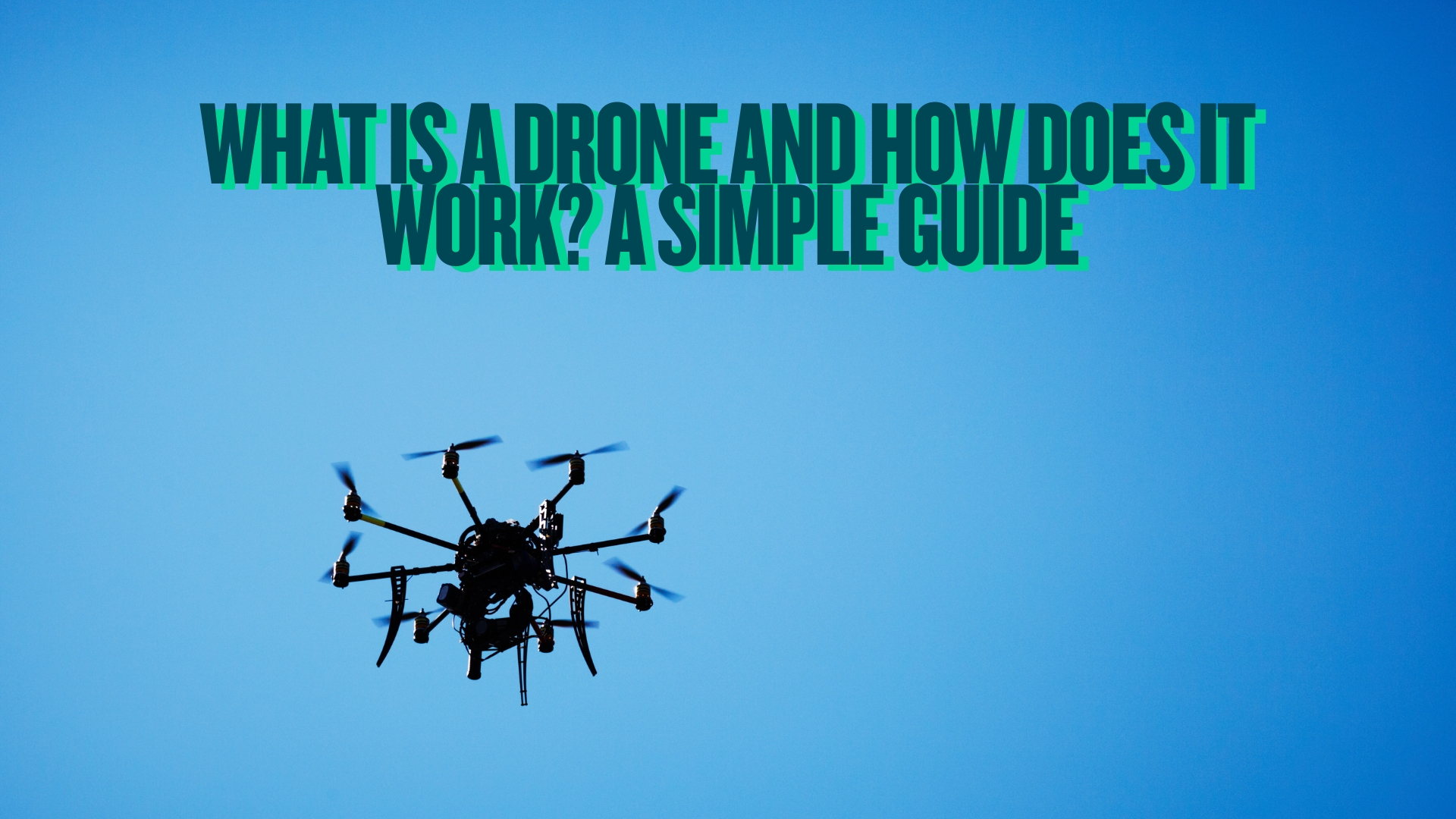
Commercial delivery drones typically use a multirotor design, most commonly quadcopters. These aircraft generate lift through fast-spinning rotors, controlled by onboard flight computers. The system constantly adjusts rotor speed to maintain stability, altitude, and direction. This allows drones to hover, turn precisely, and land accurately in tight spaces like driveways or backyard pads.
Most delivery drones can operate autonomously. After receiving a delivery route, the drone’s flight controller uses sensors such as accelerometers, gyroscopes, and magnetometers to maintain balance and orientation. This automation reduces human error and allows the drone to navigate even in light wind.
The Core Parts Of A Drone Delivery System
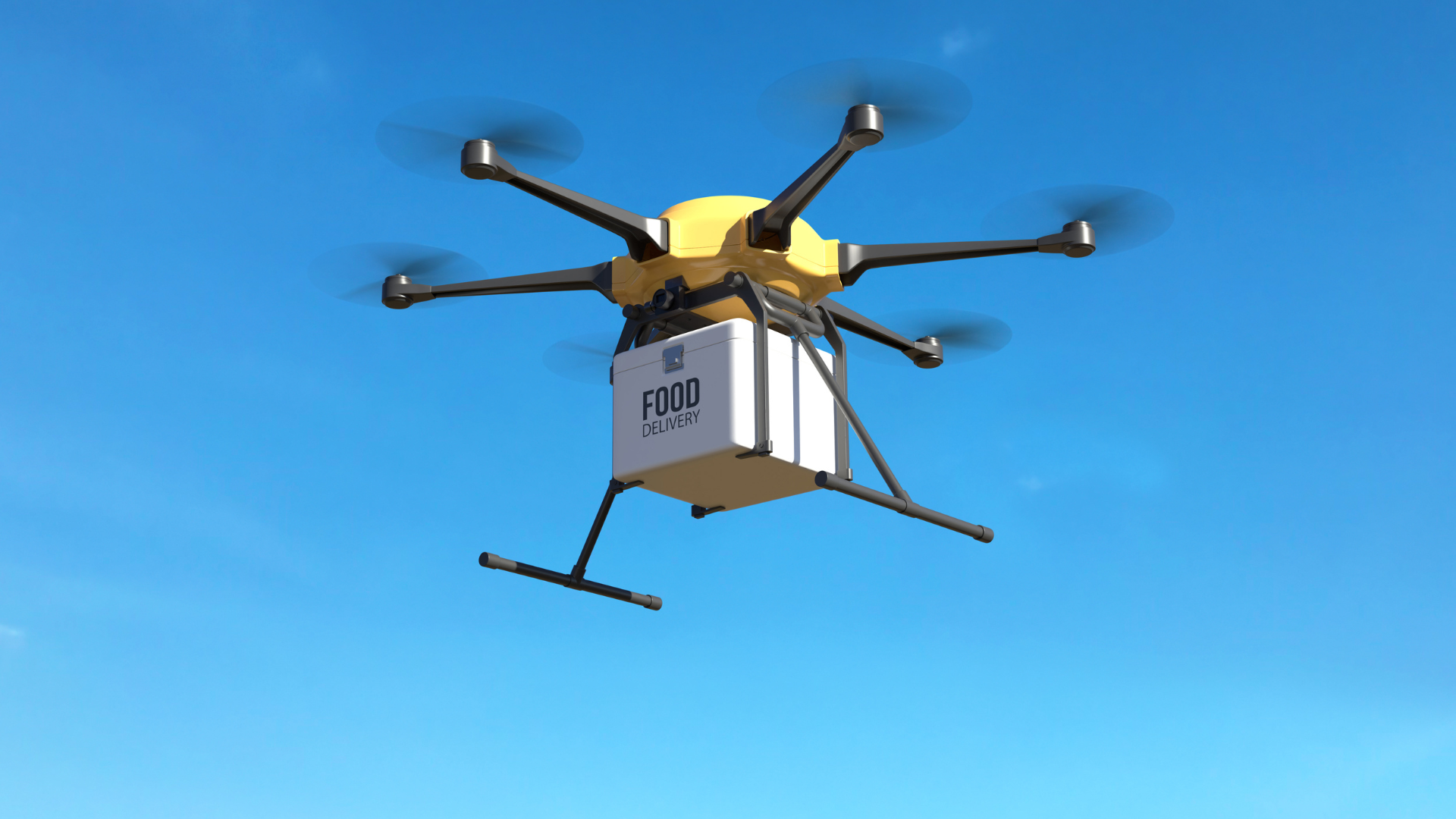
A complete drone delivery system includes the aircraft, payload mechanism, navigation hardware, communication link, and a ground control platform. Each part ensures safe and accurate package transport.
The drone carries its load using a secure compartment or a release hook designed for small packages. A delivery operator or automated system loads the box, verifies weight limits, and transmits the flight route. During the mission, the drone communicates continuously with a ground station to provide status updates on position, altitude, and power levels.
Obstacle sensors are a critical component. Many drones use cameras, ultrasonic sensors, or LiDAR to detect nearby objects and adjust flight paths automatically. This makes low-altitude urban flight more feasible while reducing collision risks.
The Role Of GPS Navigation
GPS enables drones to navigate long routes accurately. The aircraft checks its coordinates constantly and compares them to the planned flight path. This keeps the drone aligned with its route, even when wind pushes it off course.
GPS also supports automated landing. Some delivery drones use a home marker or QR-style landing tag so the drone can detect the exact drop-off zone. Advanced systems combine GPS with visual positioning for greater accuracy in crowded suburbs.
Safety Rules And Airspace Regulations
Drone delivery must operate under strict rules from aviation authorities. Regulations usually set limits on maximum altitude, flight paths near airports, and the requirement for drones to avoid manned aircraft. Most countries also require commercial drone operators to hold remote pilot certifications.
Geo-fencing helps enforce safety rules. This technology creates virtual boundaries that drones cannot cross. These boundaries prevent aircraft from entering restricted zones such as airports, stadiums, or emergency response areas.
Modern drones also include fail-safe features such as automatic return-to-home, low-battery landing, forced hover, and emergency descent. These safeguards reduce risks during autonomous delivery operations.
Challenges And Limitations
Drone delivery still faces several practical challenges. Limited battery capacity restricts range and payload weight, making drones suitable mainly for smaller packages. Strong winds or storms can reduce flight stability and may pause service entirely.
Airspace congestion is another concern. As more drones operate in cities, operators must coordinate flights to prevent collisions and comply with regional traffic systems. Noise concerns and privacy issues also affect public acceptance, especially in residential neighborhoods.
Infrastructure gaps slow expansion. Some areas lack dedicated landing pads or safe zones, and dense urban regions can block GPS signals. These challenges will require ongoing improvements in battery technology, sensors, and regulatory frameworks.
Where Drone Delivery Is Already Used
Several companies operate drone delivery networks today. Medical logistics providers use drones to move vaccines, emergency blood supplies, and lab samples across remote or rugged regions. Retailers and food services have launched pilot programs that deliver medication, groceries, or small consumer goods.
Drones are especially valuable for rural communities where long road trips slow traditional delivery trucks. By reducing travel distance and bypassing traffic, drones improve access to essential goods.
The Future Of Drone Delivery
The next generation of drone delivery will likely include longer-range aircraft, improved battery life, and more powerful onboard processors. Automation and AI-based navigation will help drones operate safely in dense cities, while improved imaging sensors will support night flights and low-visibility missions.
New urban air mobility systems may create designated drone corridors and rooftop landing hubs. These networks will help drones integrate into city logistics without increasing road congestion.
As regulations evolve and public acceptance improves, drone delivery could become a standard option for quick shipping, medical transport, and same-day e-commerce fulfillment.
Troubleshooting Common Problems
If a drone delivery system fails or operates unpredictably, common causes include weak GPS signal, sensor faults, restricted airspace, excessive weight, or battery degradation. Operators typically address these issues by recalibrating sensors, adjusting payloads, checking for flight restrictions, or updating the drone’s navigation software.
Tips
• Choose drones rated for your local weather conditions. • Keep batteries within recommended temperature ranges. • Verify payload weight before every mission. • Maintain clear landing zones to prevent delivery errors. • Update firmware regularly to improve flight stability.
FAQ
How far can drone delivery travel? Most commercial drones cover a few miles, depending on weight and battery capacity. Can drones deliver at night? Some can, but approval depends on local regulations and required lighting systems. Are drone deliveries safe? Yes, modern drones use collision-avoidance sensors, geo-fencing, and automated fail-safes. What can drones deliver? Lightweight packages, groceries, prescriptions, documents, and medical supplies.
Summary
1. Drone delivery uses autonomous aircraft to move small packages efficiently. 2. GPS, sensors, and flight controllers handle navigation and stability. 3. Regulations focus on safe airspace access and operator certification. 4. Weather, battery limits, and infrastructure still challenge wide adoption. 5. Future advances may expand delivery range and urban integration.
Drone delivery continues to evolve and may soon become a standard part of everyday logistics, offering faster access to goods while easing pressure on road networks.

Discussion (0)
Be the first to comment.