



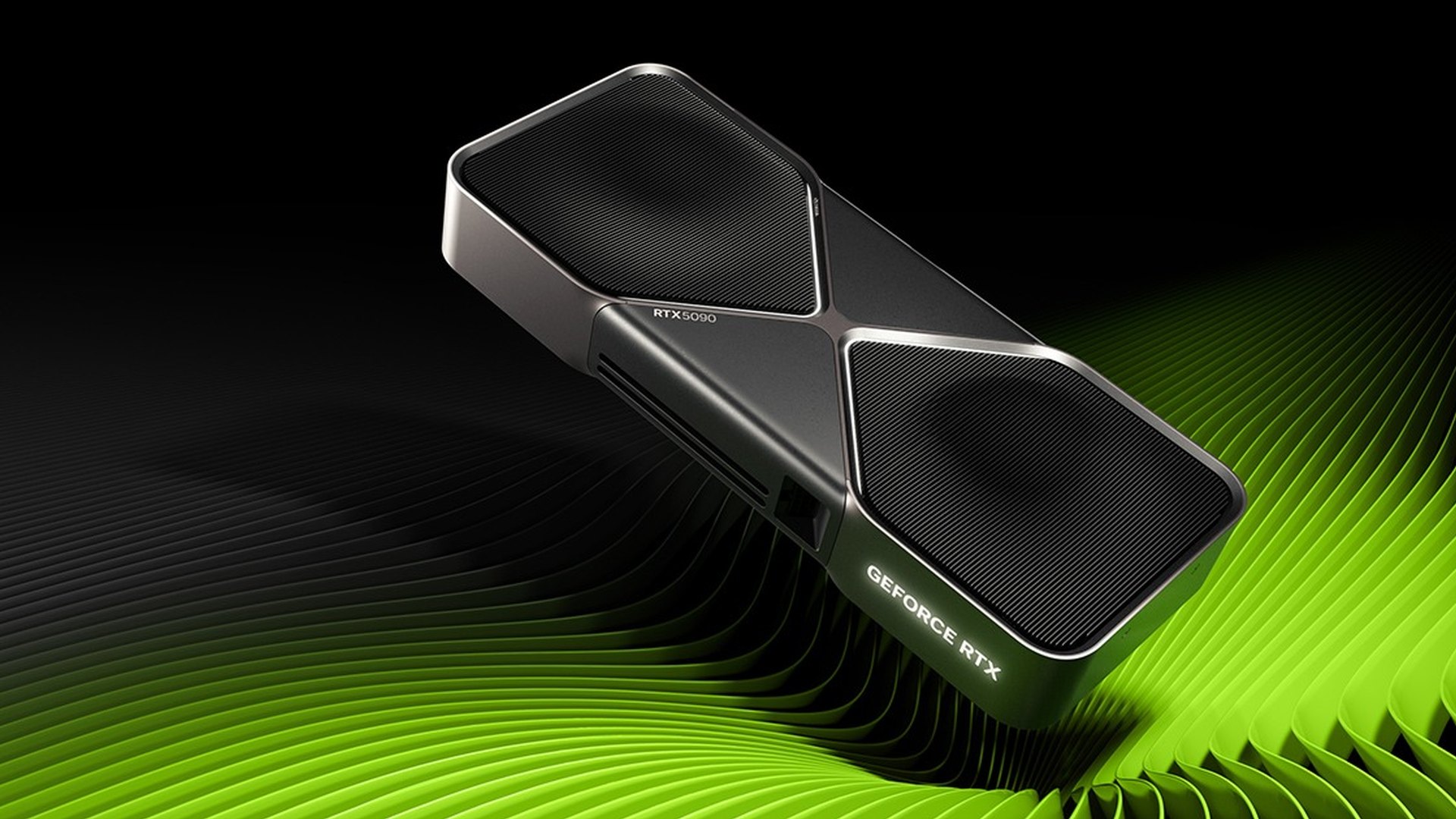
A GeForce RTX 5070 Ti that NVIDIA announced at $749 sells for $1,169.99 at Newegg. Across five current GeForce and Radeon cards checked on October 3, 2026, every one carries a price above the figure its maker published at launch.
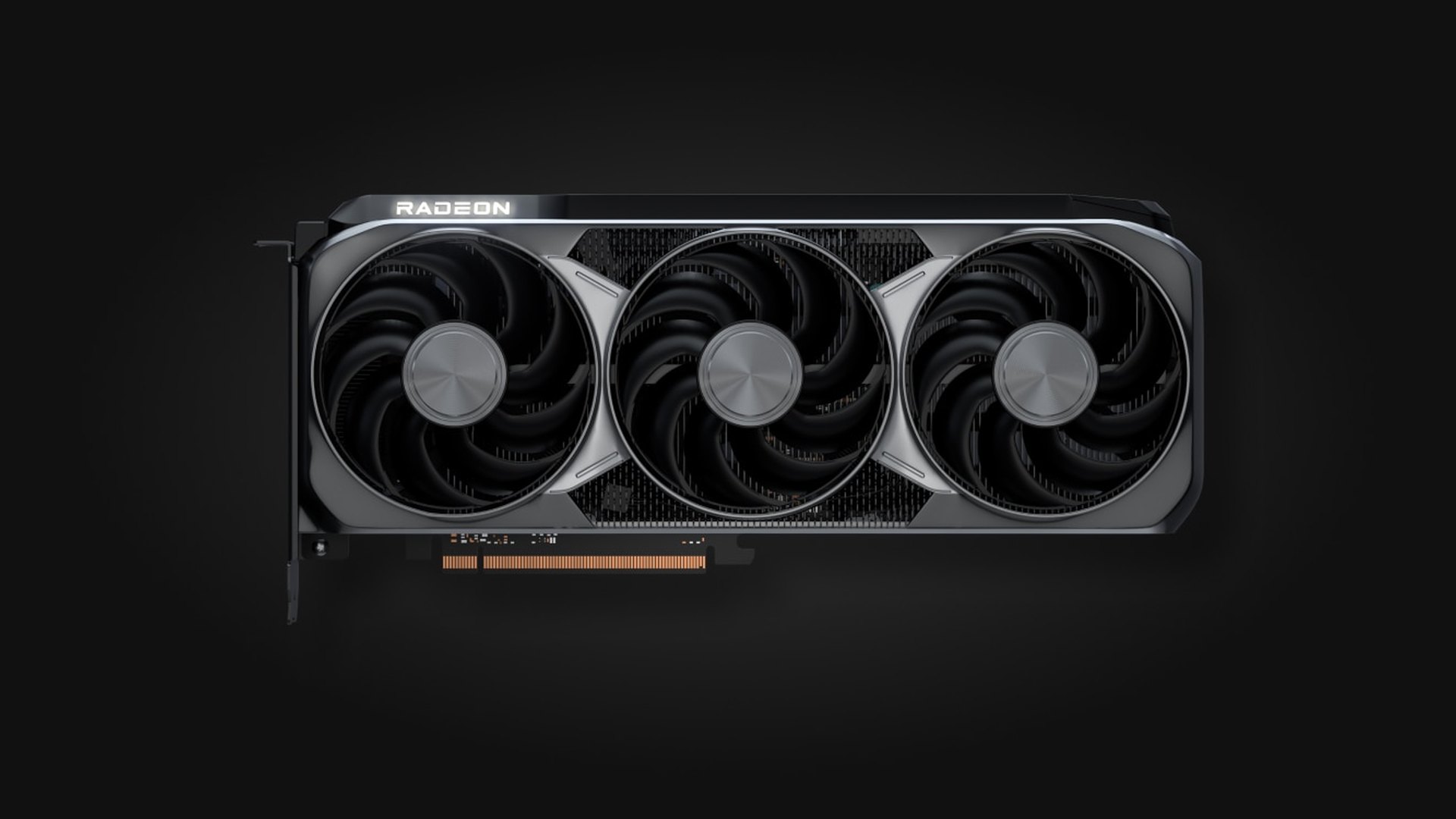
The narrowest gap was 34%, on a Radeon RX 9070 XT. The widest was 86%, on a GeForce RTX 5060 Ti with 16GB of memory.
Those launch figures are still the only prices NVIDIA and AMD have published. Neither company has issued a revised suggested price for any current desktop graphics card.
What six graphics cards cost against their launch prices
Each price below was read on the product page itself, in new condition, with the seller named on that page. Refurbished and open-box listings were cheaper and are excluded.
| Graphics card | Launch MSRP | Price on October 3, 2026 | Gap |
|---|---|---|---|
| GeForce RTX 5060 Ti 16GB | $429 | $799.99 | 86% |
| GeForce RTX 5070 | $549 | $869.99 | 58% |
| GeForce RTX 5070 Ti | $749 | $1,169.99 | 56% |
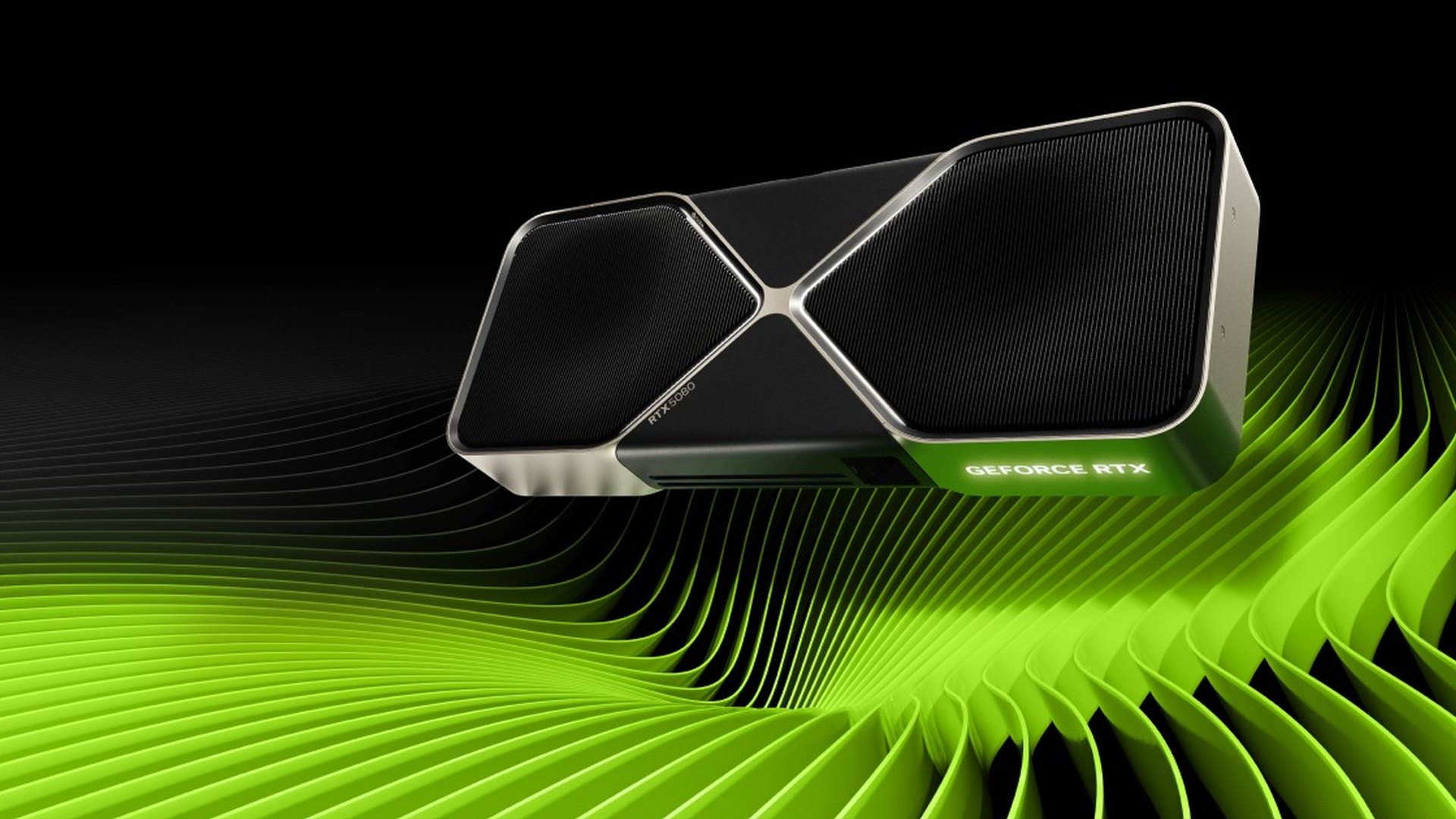
| GeForce RTX 5080 | $999 | $1,679.99 | 68% |
| Radeon RX 9070 XT | $599 | $799.99 | 34% |
The cheapest new RTX 5070 Ti was a GIGABYTE WindForce model at $1,169.99, sold and shipped by Newegg. The page listed eight new units from that price.
An ASUS Dual RTX 5060 Ti 16GB sat at $799.99, also sold by Newegg. NVIDIA announced that card at $429 in April 2025, so the gap is $370.99.
AMD's side was the least stretched. A PowerColor Reaper RX 9070 XT ran $799.99 against the $599 suggested price AMD gave in February 2025.
The cheapest cards carry the widest gaps
The pattern runs the wrong way for anyone shopping on a budget. The two cheapest cards in the table carry the largest percentage gaps, at 86% and 58%.
In cash terms the ranking inverts, because a percentage of $429 is a smaller sum than a percentage of $999. The RTX 5080 is $680.99 over its launch price, the most of any card checked.
Still, the entry-level buyer absorbs the sharper proportional increase. A card announced at $429 now asks more than NVIDIA set for the RTX 5070 Ti, two tiers up.
All five prices come from one retailer on one day. They describe what was listed, not what every seller charges.
Why a reported 40% jump is not stated here
Graphics cards have been reported to be up to 40% more expensive over the past three months, with another increase expected in the fourth quarter. That figure traces back to price-tracker data that could not be independently verified.
It is also a different measurement. The gaps above compare current prices with launch MSRPs, not with prices from three months ago.
The direction is familiar enough. Digital Citizen reported in August that Radeon RX 9000 prices rose by up to 20% in Q3 2026, and in September that AMD GPU and motherboard prices could rise around 10% as TSMC costs increase.
What NVIDIA and the memory makers have said
Neither NVIDIA nor AMD has tied a GeForce or Radeon price to component costs. NVIDIA has said it about a different product.
In a February 2026 announcement on its developer forum, NVIDIA said the MSRP of the DGX Spark Founders Edition moved from $3,999 to $4,699. "The price adjustment reflects industry wide memory supply constraints," the post said.
Samsung's memory business set record quarterly revenue and operating profit in Q2 2026. The company said "the continued industry-wide upward trend of prices also contributed to the record earnings".
Micron reported revenue of $54.23 billion for its fiscal fourth quarter, which ended September 3, 2026. Revenue for the full fiscal year reached $133.19 billion. The same squeeze has already reached DDR5 laptop memory and handheld console pricing.
What is missing is any maker statement linking those costs to a graphics card. No revised GeForce or Radeon MSRP has been published, and no AMD comment ties Radeon prices to memory. Retail prices also change without notice, so the figures above describe one day of listings rather than a settled market.



Discussion (0)
Be the first to comment.