



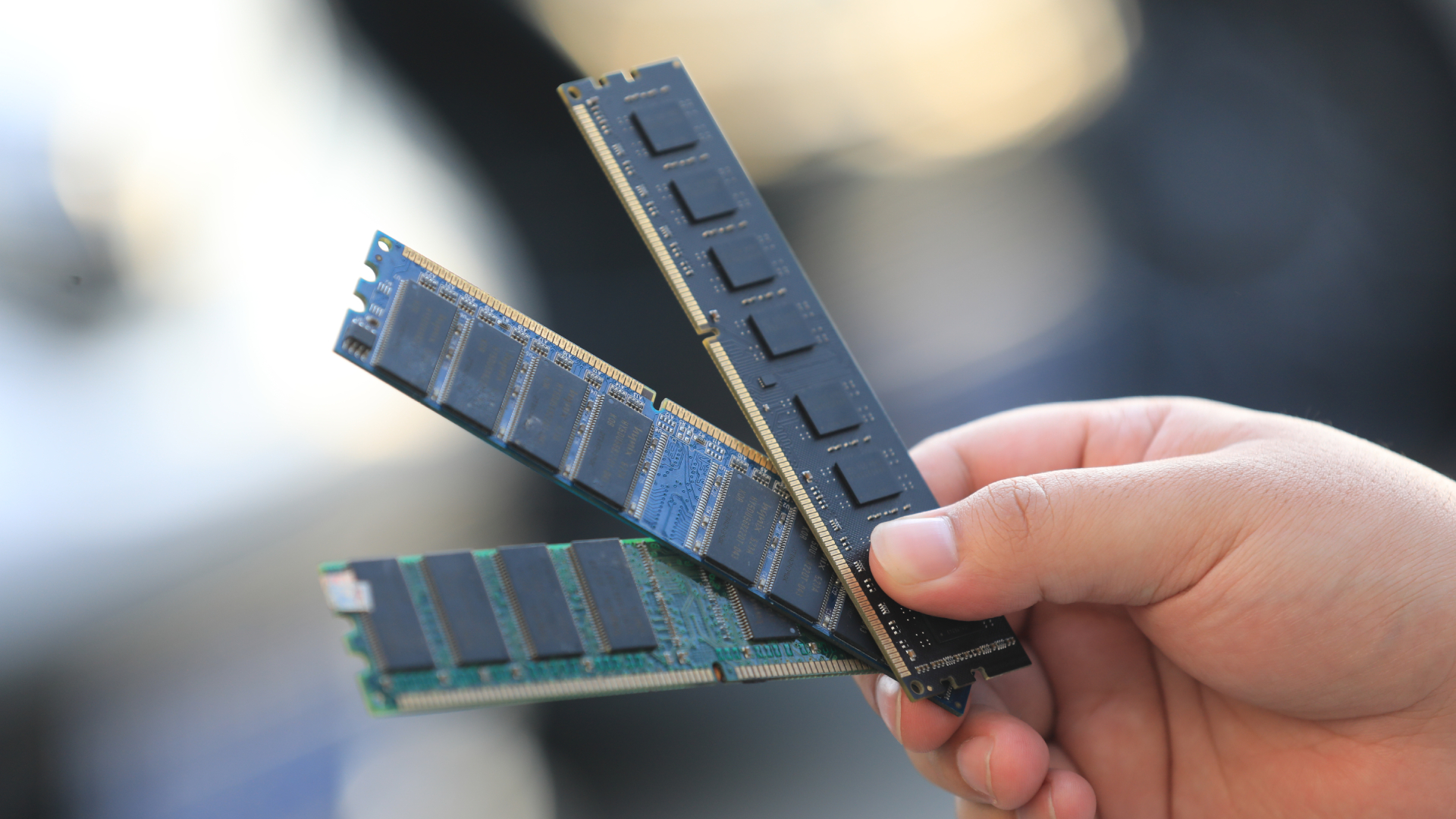
DDR5 laptop memory prices have reportedly increased by around six times over the past 12 months, adding more pressure to notebook manufacturers already dealing with rising component costs.
Schenker Technologies, which sells laptops under brands including XMG, is now raising prices as the memory shortage continues. The company expects supplies of both DRAM and NAND flash to remain tight through 2027 and potentially beyond, suggesting that higher laptop prices may not disappear quickly.
The pressure is also spreading beyond memory. Other components are becoming more expensive, creating additional challenges for manufacturers trying to maintain existing laptop prices.
| Market factor | Reported situation |
|---|---|
| DDR5 laptop memory pricing | Up around 6X in 12 months |
| Manufacturer response | Schenker is raising laptop prices |
| DRAM supply | Expected to remain tight |
| NAND supply | Also expected to remain constrained |
| Shortage outlook | Through 2027 and possibly longer |
| Wider component costs | Also increasing |
DDR5 memory costs have changed dramatically
The reported sixfold increase in DDR5 laptop memory pricing shows how quickly conditions in the memory market have deteriorated.
Memory represents only one part of a laptop's total bill of materials, but a large increase can have a noticeable effect on systems equipped with higher capacities.
Laptops with 32GB or more of memory are particularly exposed because manufacturers need to absorb a larger absolute increase in DRAM costs.
That leaves companies with several options. They can raise retail prices, reduce margins, change configurations, or use alternative components where possible.
Schenker has chosen to increase prices rather than absorb the entire rise.
Schenker expects pressure to continue through 2027
The bigger concern is that the company does not expect conditions to normalize quickly.
Its outlook suggests both DRAM and NAND availability could remain restricted through next year and potentially beyond.
That matters because laptops depend heavily on both technologies.
DRAM is used for system memory, while NAND flash is the foundation of the SSD storage installed in modern notebooks.
If both remain expensive at the same time, manufacturers have fewer areas where falling component costs can offset increases elsewhere.
A laptop may therefore become more expensive even when its processor, display, or chassis remains unchanged.
Storage could add another layer of cost pressure
NAND constraints create a second problem for notebook pricing.
Most current laptops ship with SSDs, and higher end models increasingly offer 1TB or larger drives as standard.
If NAND pricing continues to rise alongside DRAM, configurations with larger SSDs could become noticeably more expensive to produce.
Manufacturers could respond by reducing standard storage capacities or charging more for upgrades.
The supplied report does not provide specific price increases for individual SSD capacities or laptop models, so the exact effect will vary by product.
Other components are also getting more expensive
Memory is not the only category contributing to higher costs.
The report notes that other components are also rising in price, although it does not identify detailed increases for each category.
That broader inflation is significant because laptop manufacturers work with tightly balanced component budgets.
Even relatively small increases across several parts can accumulate into a meaningful change in the final retail price.
For brands operating on lower margins, absorbing all of those increases may not be realistic.
Laptop buyers could face higher prices for longer
The situation suggests that recent laptop price increases may not be temporary.
If DRAM and NAND supply remains constrained through 2027, manufacturers could continue adjusting prices as their existing component inventories are replaced with more expensive stock.
That may also affect promotions and configuration choices.
Systems with larger amounts of RAM and storage could carry a greater premium than before, while entry level configurations may become more important for maintaining lower starting prices.
Schenker's decision to raise prices is an early example of how the memory shortage is reaching finished products.
The longer DRAM and NAND remain constrained, the harder it will be for laptop makers to shield buyers from those higher component costs.


Discussion (0)
Be the first to comment.