



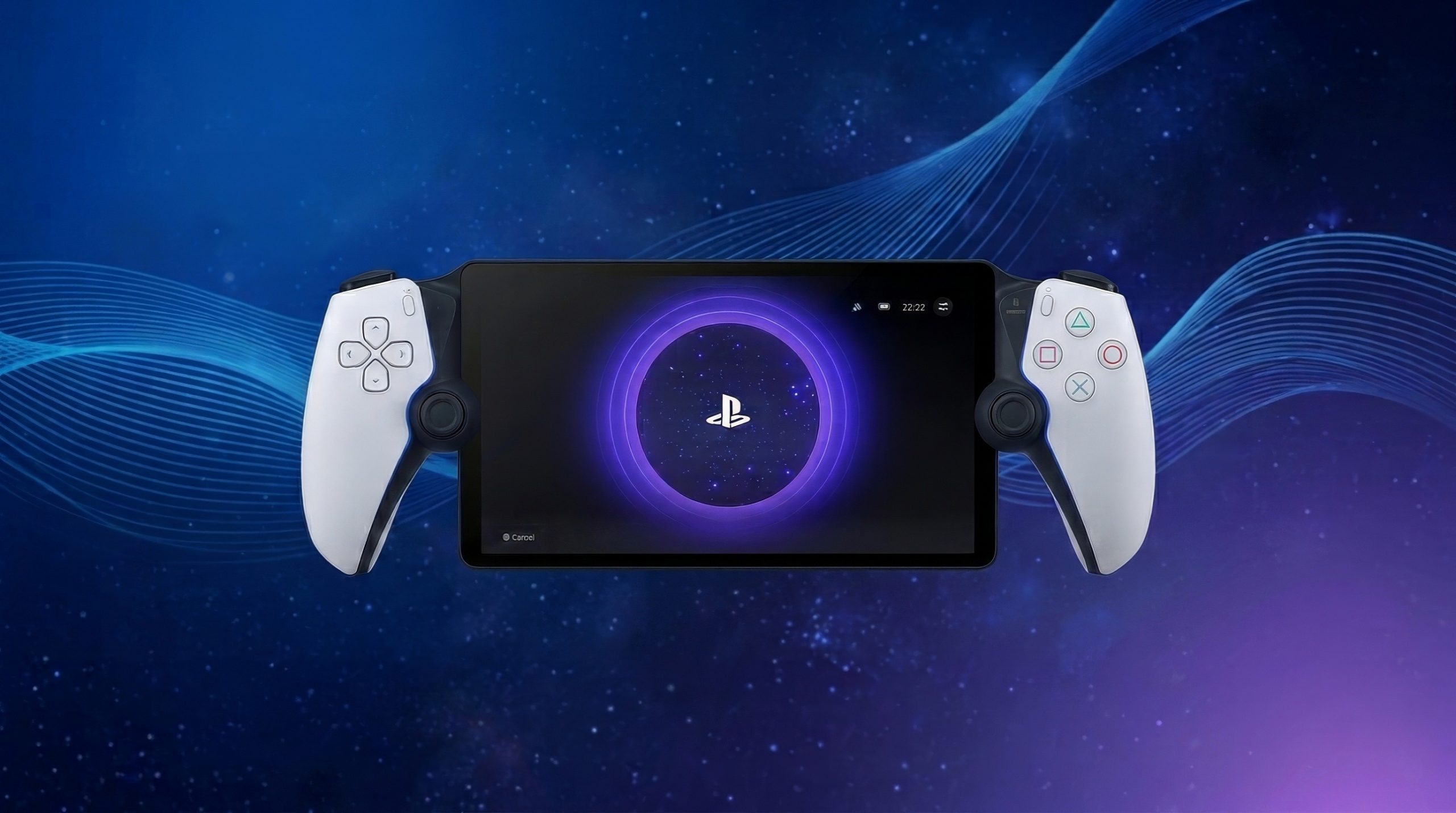
Sony’s rumored PlayStation 6 handheld may struggle to become an affordable entry point into the next console generation, with rising LPDDR5X memory prices creating fresh cost pressure.
A hardware leaker claims that a $600 price is not currently realistic because LPDDR memory is seeing some of the strongest price increases in the market. The reason given is growing demand from datacenter products, including systems built for AI workloads.
Sony has not announced the handheld, its specifications, release date, or price, so the claim remains unofficial.
LPDDR5X costs could make the handheld expensive
Portable gaming hardware depends heavily on efficient memory, and LPDDR5X is widely used in consumer devices that need good performance with relatively low power consumption.
That same memory category is now seeing stronger competition from datacenter customers.
| PlayStation hardware issue | Current situation |
|---|---|
| Rumored PS6 handheld price | Below $600 may be difficult |
| Main cost pressure | LPDDR5X memory |
| Reason for higher demand | Datacenter and AI products |
| Official Sony price | Not announced |
| Official release date | Not announced |
| PS5 near term price concern | Another increase appears less likely |
| Wider next generation risk | Higher launch prices and longer cross generation support |
If memory prices remain elevated, Sony would have fewer options for keeping the handheld affordable without reducing margins or making compromises elsewhere in the hardware.
AI datacenter demand is affecting consumer memory
The reported problem is not limited to gaming devices.
AI infrastructure is creating heavy demand across multiple memory categories, and manufacturers can often prioritize products that offer stronger margins.
That can leave consumer electronics makers competing for tighter supply.
For a handheld console, memory is particularly important because the system would likely use a unified pool shared by the CPU and GPU.
A large increase in LPDDR5X pricing could therefore have a noticeable effect on the final bill of materials.
PS5 may avoid another immediate price increase
The same memory pressure does not necessarily mean another PlayStation 5 price increase is coming soon.
Sony reportedly secured enough supply for its 2026 sales plans, which could give it more protection against short term fluctuations in GDDR6 pricing.
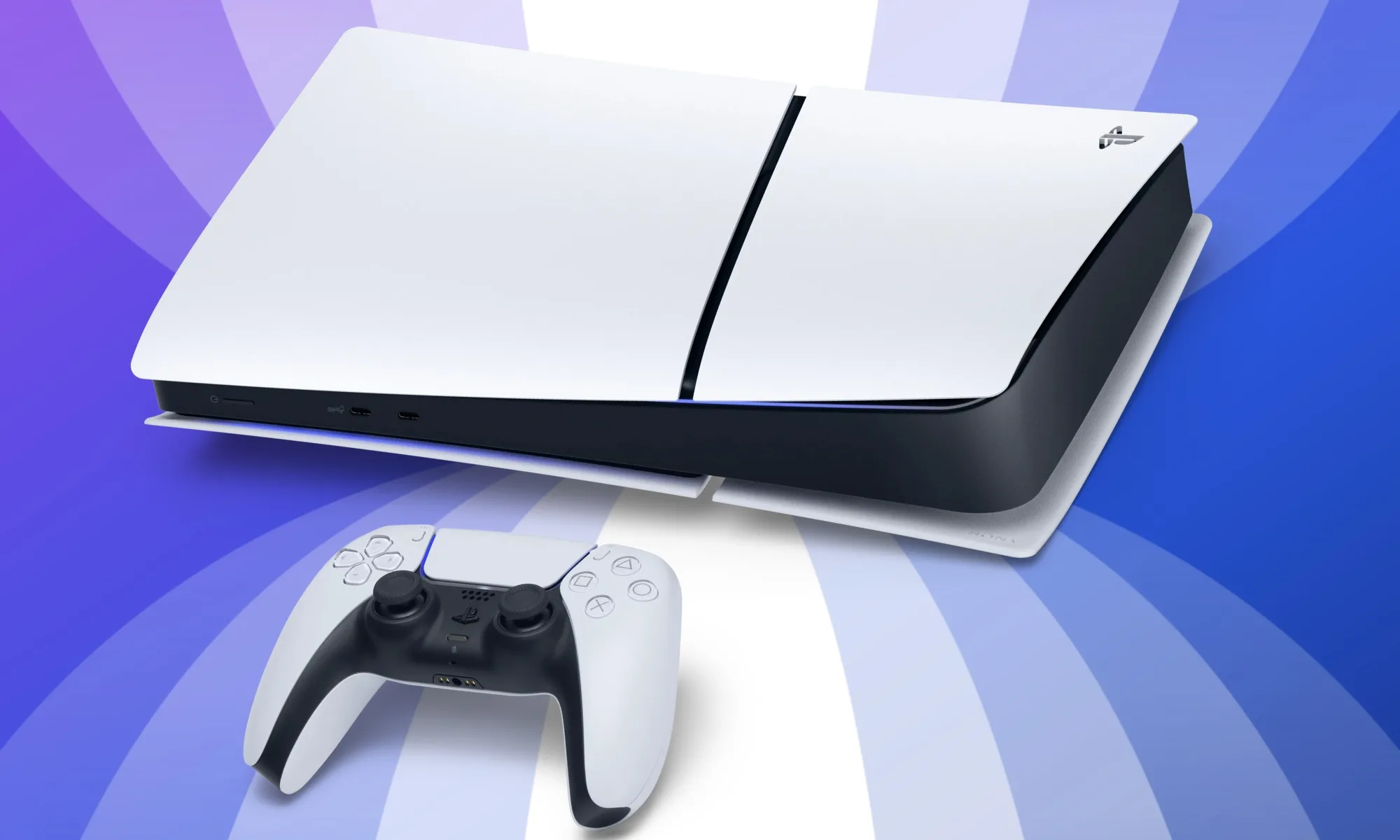
That differs from companies that purchase memory on shorter contracts and therefore feel market changes more quickly.
However, even with better supply arrangements, Sony may still be selling PS5 hardware close to cost.
That limits how much additional pressure the company can absorb if component prices continue to rise.
Sony could look for more revenue from software and services
If hardware margins become tighter, Sony could compensate elsewhere.
That might include higher game prices, stronger digital monetization, or future increases to PlayStation Plus subscriptions.
None of those changes are confirmed as a direct response to memory pricing.
They are simply possible ways a platform holder can offset expensive hardware when lowering production costs is difficult.
The PS6 handheld may not be the budget option people expect
The rumored handheld has often been discussed as a potentially cheaper way to enter the PlayStation 6 generation.
That assumption becomes less certain if its memory alone carries a much higher cost than expected.
Portable hardware also requires a display, battery, cooling system, compact motherboard, controls, storage, wireless hardware, and a custom processor.
Those costs add up quickly.
If Sony also wants the device to run modern PlayStation games without major compromises, reducing specifications simply to hit a lower price may not be practical.
PS6 pricing remains impossible to predict
Sony has not finalized a launch date for PlayStation 6, so there is still time for market conditions to change.
Memory pricing can move significantly over relatively short periods.
A $600 handheld may be unrealistic under current conditions but possible later if supply improves and datacenter demand becomes less aggressive.
The same uncertainty applies to the main PlayStation 6 console.
If next generation systems move toward $1,000, adoption could slow considerably and the current PlayStation 5 generation may remain active for much longer.
For now, the key point is that the rumored PlayStation 6 handheld should not automatically be treated as a low cost alternative.
If LPDDR5X prices remain high, Sony may have to choose between a higher retail price, tighter margins, or hardware compromises when the device eventually reaches the market.



Discussion (0)
Be the first to comment.