



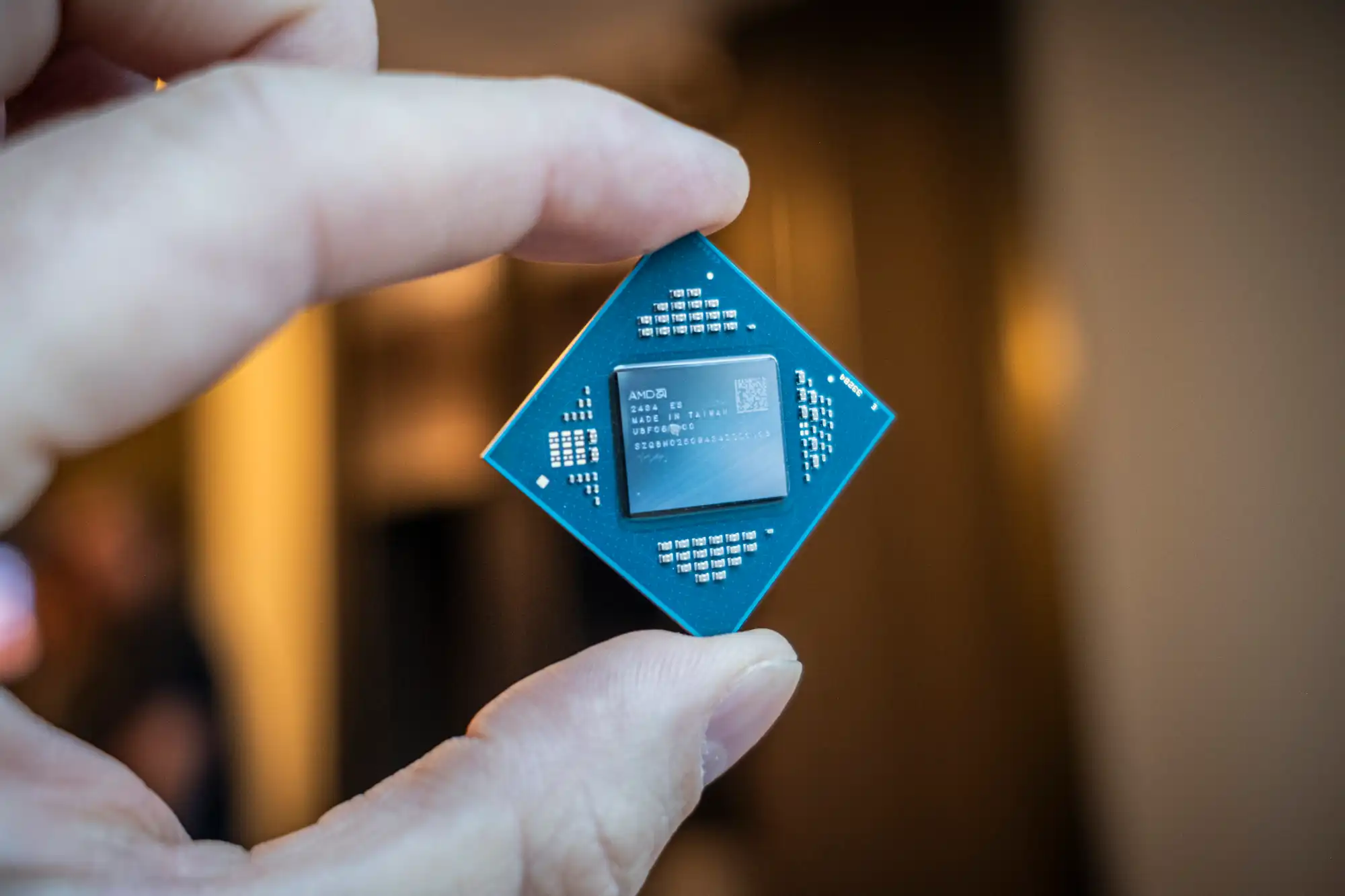
AMD could raise prices on several chip categories by around 10 percent during the fourth quarter of 2026, according to a new industry report.
The reported increase would affect consumer graphics processors, motherboard chipsets and AI accelerators. Ryzen processors were not specifically included in the report, although higher manufacturing costs could eventually affect CPUs as well.
The information remains unconfirmed by AMD, so the reported pricing changes should be treated as a possibility rather than a finalized public announcement.
Higher TSMC manufacturing costs are reportedly driving the increase
The reported price adjustment is linked to higher production costs at TSMC, which manufactures a large portion of AMD's chips.
If AMD passes those additional costs to its partners, graphics card makers and motherboard manufacturers could face higher component prices before the end of 2026.
Those costs could eventually appear in retail pricing, although a 10 percent increase at the chip level does not necessarily mean every finished product will become exactly 10 percent more expensive.
| Product category | Reported outlook |
|---|---|
| Consumer GPU chips | Around 10 percent increase possible |
| Motherboard chipsets | Around 10 percent increase possible |
| AI accelerator chips | Around 10 percent increase possible |
| Ryzen CPUs | Not confirmed |
| Expected timing | Fourth quarter of 2026 |
| Reported reason | Higher TSMC manufacturing costs |
AMD has reportedly already informed some partners about the planned adjustments.
No official pricing schedule has been announced publicly.
Graphics cards could become more expensive
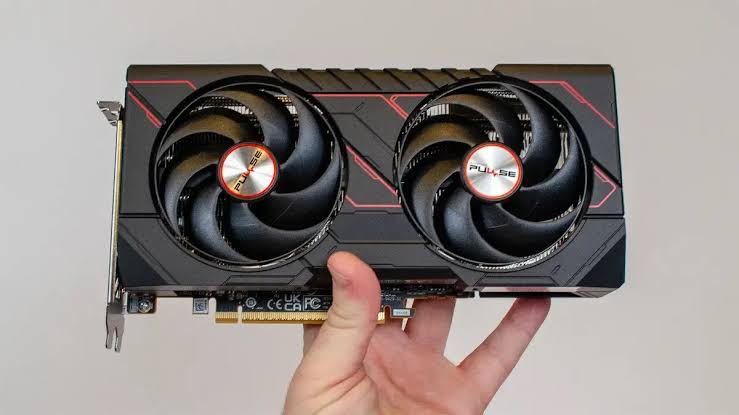
Consumer Radeon graphics cards would be one of the most visible products affected if the report proves accurate.
AMD supplies GPU chips to board partners, which then build complete graphics cards with memory, cooling systems, power delivery components and other hardware.
A higher GPU cost adds another expense to that manufacturing chain.
Retail prices would still depend on several factors, including memory costs, inventory levels, competition and individual board partner margins.
That means some graphics cards could rise by less than the reported chip increase, while others could experience larger changes depending on market conditions.
The timing would also matter because the fourth quarter is an important sales period for PC hardware.
Motherboard pricing could also face pressure
AMD motherboard chipsets are reportedly included in the planned increase.
That could affect boards across platforms using AMD chipsets if motherboard manufacturers choose to pass the higher component cost to buyers.
Motherboard prices are influenced by far more than the chipset itself.
Power delivery hardware, PCB complexity, networking controllers, USB support and other features account for a significant part of the final cost.
Even so, higher chipset prices would add another source of pressure to a PC hardware market already dealing with expensive memory and other components.
For anyone planning a new AMD system, the combined price of the processor, motherboard, graphics card and memory could therefore become more important than the change in any single component.
Ryzen CPU price increases remain speculation
The report does not specifically state that Ryzen processors will become more expensive.
That distinction is important.
Ryzen chips are also manufactured using TSMC processes, so it is reasonable to consider the possibility that higher foundry costs could eventually affect CPU pricing.
However, there is currently no confirmed information showing that AMD plans the same 10 percent adjustment for Ryzen processors.
Until AMD or its partners provide additional details, any Ryzen price increase remains speculation.
CPU pricing can also be influenced by inventory, competition from Intel and discounts on existing generations, making retail changes difficult to predict solely from manufacturing costs.
AI accelerators are reportedly included
AMD's AI accelerator products are another category mentioned in the report.
Demand for data center and AI hardware has grown rapidly, making advanced manufacturing capacity increasingly valuable.
Higher wafer and packaging costs can therefore have a significant effect on these large, complex processors.
Enterprise buyers operate under very different pricing structures from consumer PC customers, so the impact on AI accelerators would not necessarily mirror what happens with Radeon graphics cards or motherboard chipsets.
Still, the inclusion of AI products suggests the reported adjustment may cover multiple AMD divisions rather than a single consumer hardware line.
Buyers should treat the 10 percent figure carefully
The reported increase appears to refer to AMD's chip pricing rather than guaranteed retail prices for complete products.
A graphics card that currently sells for $500, for example, would not automatically become $550 simply because one internal component becomes more expensive.
Manufacturers and retailers can absorb part of an increase, alter margins or adjust different products by different amounts.
Existing inventory could also remain available at older pricing for some time.
The more important point is that AMD hardware may face additional cost pressure in late 2026.
If higher TSMC manufacturing expenses are passed through the supply chain, Radeon graphics cards and AMD based motherboards could become more expensive during the fourth quarter, while the effect on Ryzen processors remains uncertain.
Discussion (0)
Be the first to comment.