



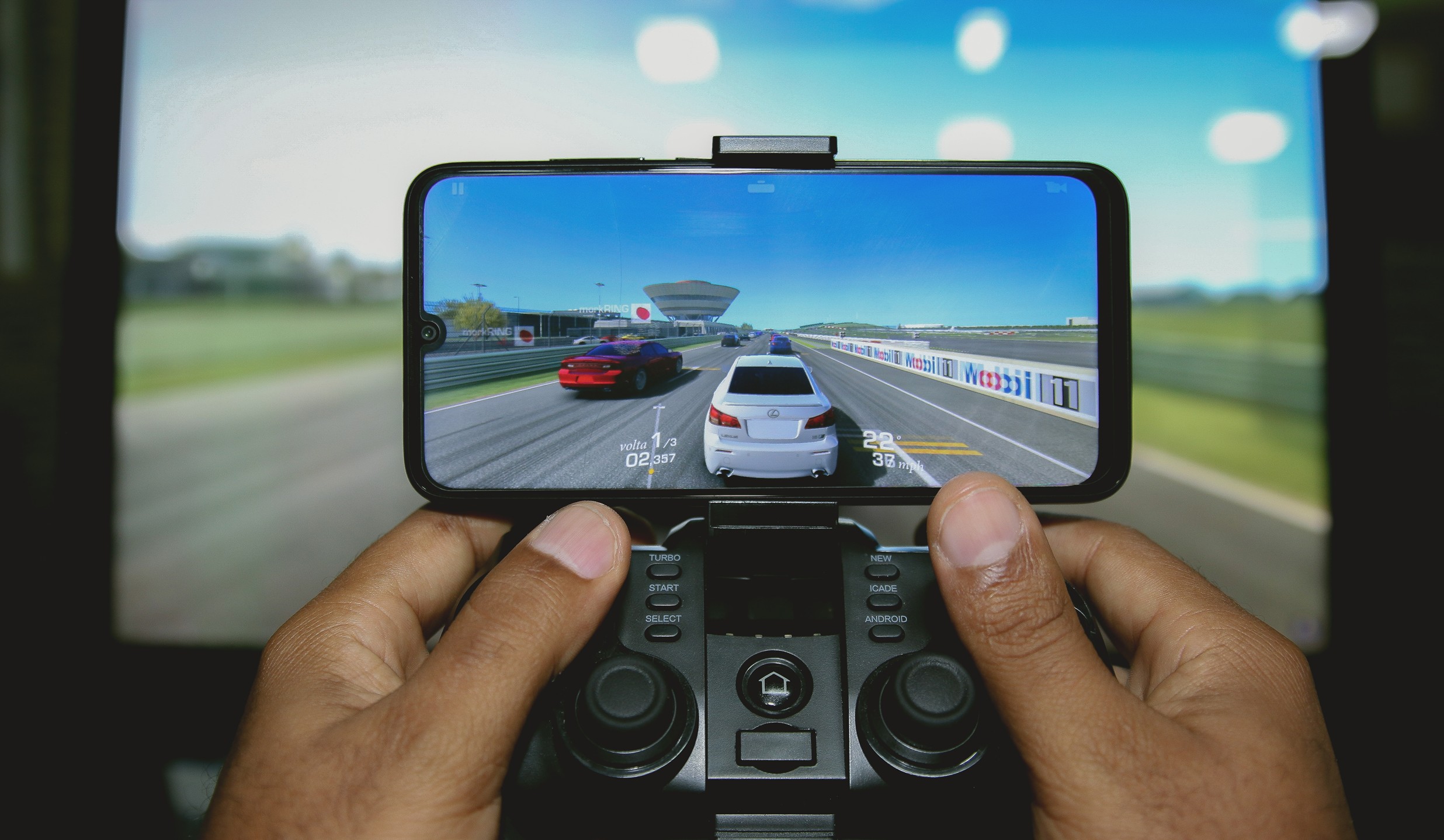
Gaming time does not need a single shape. A phone can fill a short pause without a separate setup, while a console or PC can support an evening built around a longer session. Treating these options as rivals misses the practical point: each fits a different kind of available time. The better comparison centers on access, attention, and the setting a player wants for that moment.
Roblox offers a clear example of play that can move across routines and devices. Roblox gift cards are available through official retailers or digital marketplaces that list gift card codes, including a cheap Roblox prepaid card option for Roblox Robux gift cards. Eneba is a digital marketplace whose listings show product regions and activation information, helping buyers select an appropriate code for their account. Verified merchants provide a reassuring context for legitimate digital products.
After purchase, Roblox says gift cards and Robux codes are generally redeemed at Roblox.com/redeem through a web browser. Samsung Galaxy users can also redeem in the mobile app, while standard mobile apps and consoles do not offer that redemption option. Checking the listed region and activation details is a sensible part of choosing the right code.
Mobile gaming and the value of immediate access
Mobile gaming’s reach reflects that convenience. ESA data for 2025 puts mobile use at 72% of U.S. gaming households, ahead of PC at 54% and console at 42%. Among U.S. players age eight and older, 82% played on mobile, compared with 47% on console and 45% on PC.
Mobile has also expanded its place in the broader picture. ESA reported that the share of players using a mobile device rose from 33% in 2012 to 78% in 2024. That change speaks to reach, not a verdict on the kind of play people value.
Those figures do not turn a smartphone into a replacement for every play setting. Its strength is immediate access: a device already in hand can support an interruptible session during a commute or a break. For people who play to pass time or relax, a motivation cited by 68% of adult players in ESA data, that flexibility has a clear role.
Dedicated gaming and planned sessions
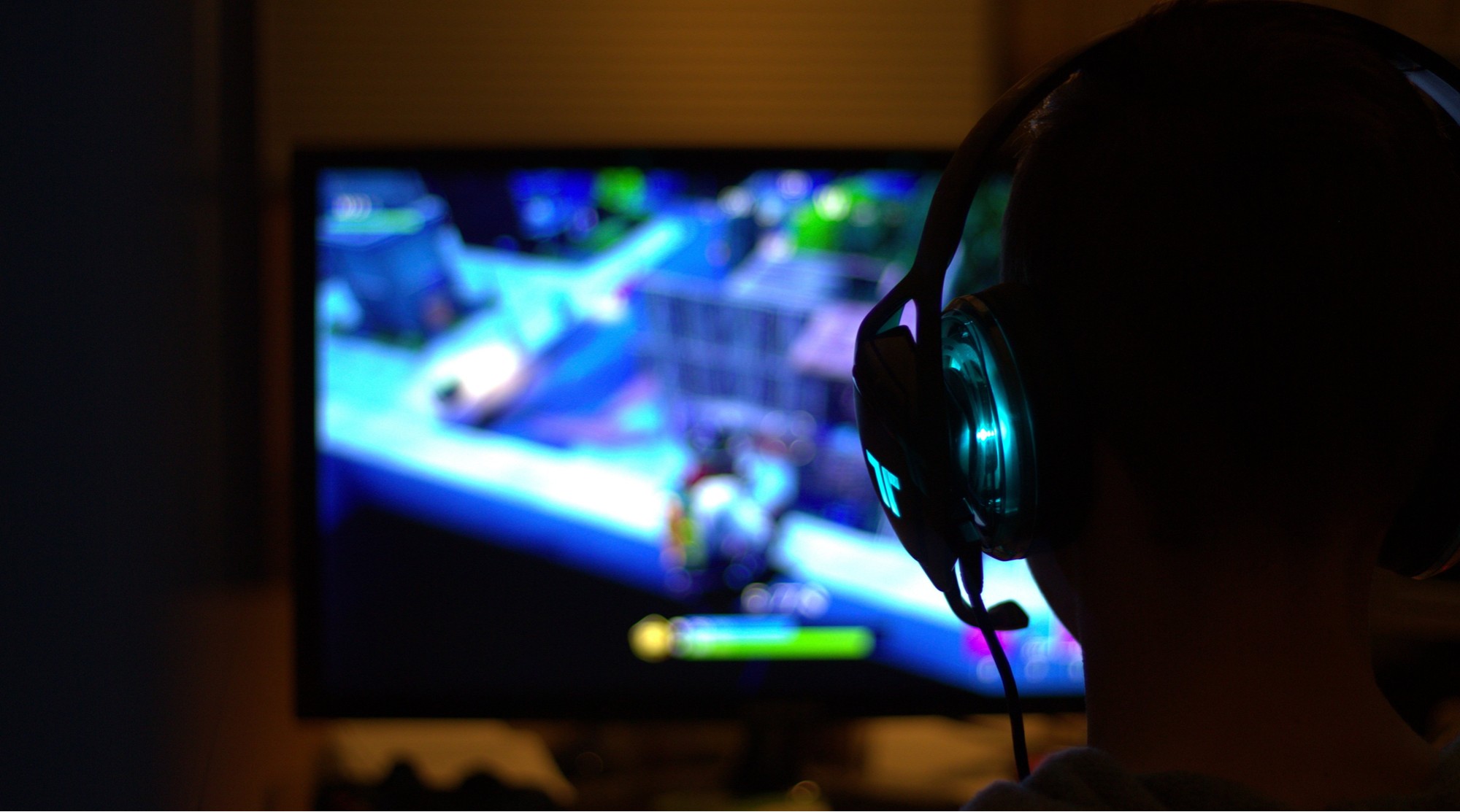
Dedicated gaming makes a different case. A planned console or PC session gives a player a larger display, physical controls, stronger audiovisual presentation, and room for sustained attention. These characteristics suit longer sessions and more precise input without suggesting that one platform is inherently superior.
The distinction is about conditions, not commitment. A short mobile session can be purposeful, and a long dedicated session can be relaxing. Each approach gives games a place within a different rhythm of the day.
Device crossover reinforces this shared-role view. Pew found that 73% of U.S. teens play on consoles and 70% play on smartphones; 49% use two or three device types, while only 8% use one. The same person can use a phone when time is fragmented, then choose dedicated hardware when a game benefits from focus.
The useful choice is not casual versus serious, but immediate access versus an intentional setting. A personal mix can preserve both, matching a game session to the time and attention available. Digital marketplaces like Eneba fit that broader choice by offering deals on games, gaming top-up, and more. The marketplace perspective keeps platform choice practical rather than turning it into a loyalty test.
Discussion (0)
Be the first to comment.