


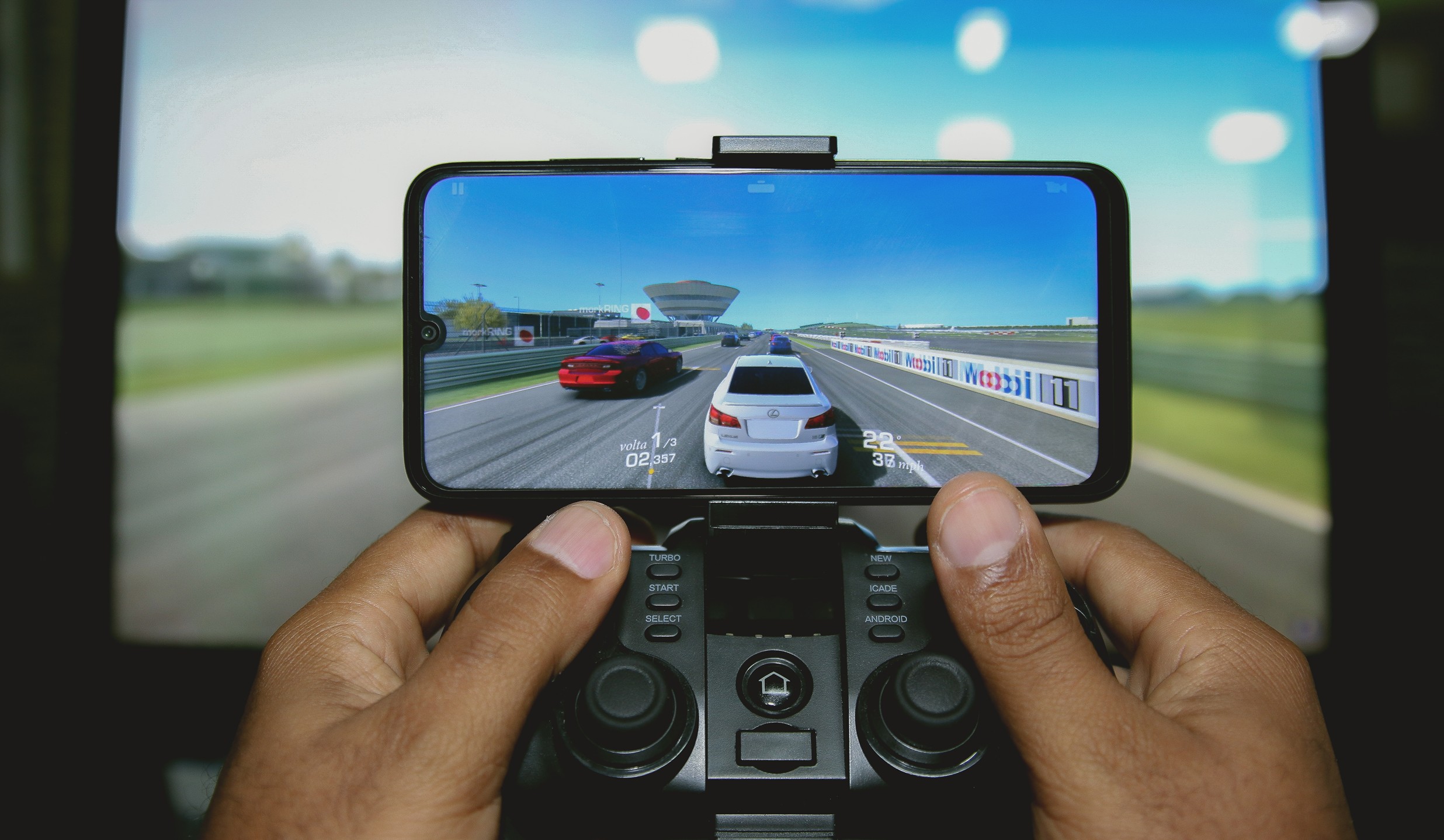
Staying with one gaming platform can protect a familiar library and the habits built around it. Friends lists, achievements, subscriptions, and accessories all create genuine value inside a preferred ecosystem. It also reduces the effort of deciding where to buy future games. The contrarian point is that this convenience does not turn one device into the best place for every game. A primary platform works best as a home base rather than a rule that excludes useful alternatives.
Flexibility starts by matching the device to the session. PCs can suit mouse-and-keyboard controls and settings flexibility while a console can fit a simple living-room setup; mobile can suit shorter play away from home. When purchasing Minecraft currency, match the listed product to the intended account, platform, and region. Minecoins products carry different platform or regional labels so that small check keeps the purchase aligned with the planned version of Minecraft.
Players can buy digital games through official platform stores or digital marketplaces. Eneba is a practical option for game keys or gift cards, with clear region tags that support a platform-aware choice.
Cross-device continuity has limits
Movement between devices has real support, but it operates title by title. Xbox Play Anywhere lets buyers purchase supported games once for Xbox consoles, Windows 10 or 11 PCs, and supported gaming handhelds at no additional cost. For those supported titles, progress, saves, add-ons, and achievements can follow the same player. Xbox Cloud Gaming also reaches supported PCs, consoles, phones, tablets, selected smart TVs, and selected VR headsets, subject to the game, device, and an Xbox Game Pass subscription.
That picture changes across other ecosystems. PlayStation maintains a PC catalog, yet its official guidance treats PC and console versions as separate products, and PlayStation Studios save data generally cannot move from console to PC. Within the console family, compatible PS4 games can run on PS5, while PlayStation Plus cloud storage can transfer compatible saves. Steam Cloud can synchronize supported saves, settings, and other data between computers, though developers choose the files that participate.
These details are not obstacles to flexibility. They are the criteria that give it shape: check cross-buy status, save transfer, and backward-compatibility support before treating a purchase as portable. A selective player keeps the benefits of a favorite ecosystem while using another screen when its particular strengths fit the game better. That approach avoids treating a logo as a substitute for the information attached to each game.
Social access and exclusives reward flexibility
Social play offers an equally practical reason to look beyond a single brand. Minecraft Bedrock Edition supports cross-platform play across Windows, Xbox, Nintendo Switch, PlayStation, and mobile devices. Java Edition has a narrower environment limited to Windows, Mac, and Linux. The edition matters when friends want to join the same world from different devices.
Exclusives also keep the mix. Nintendo identifies some software as exclusive to Switch 2, and its compatibility materials note that some existing Switch games may not be supported or fully compatible. Keeping a preferred system does not conflict with adding access elsewhere for a particular title, control preference, or setting. It recognizes that access is more useful than a permanent brand boundary.
Long-term value comes from continuity where it exists and choice where it does not. Review the account, save, platform, and region details before buying, then choose the device that fits the game and the people playing it. Digital marketplaces like Eneba offering deals on digital products are a practical next step once that platform-aware decision is clear.
Discussion (0)
Be the first to comment.