



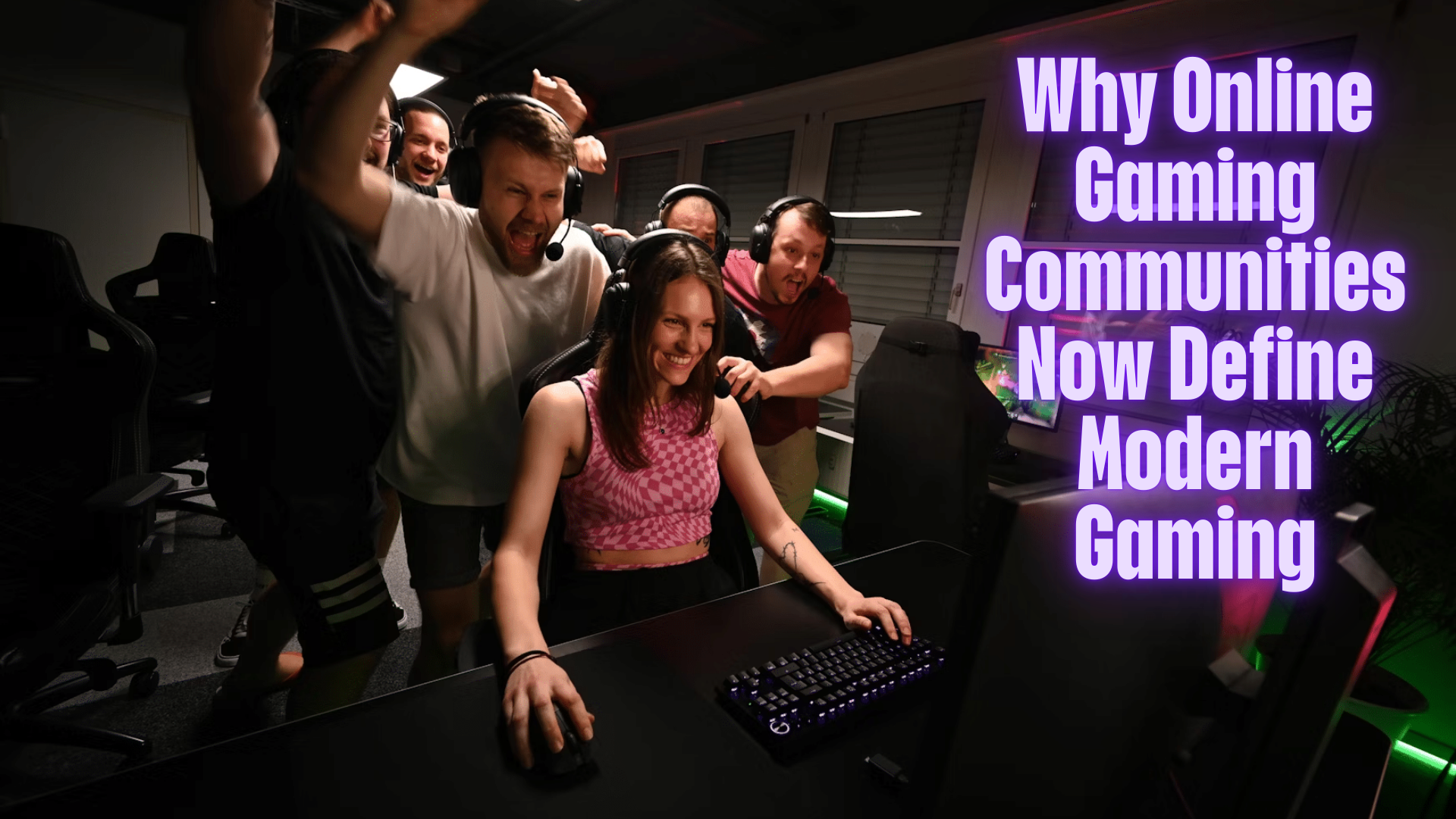
Online gaming communities have moved far beyond message boards and comment sections. Today, gaming forums, Discord servers, streaming chats, and social platforms influence how games are played, updated, monetized, and even designed. For many players, community spaces now matter as much as the games themselves.
From indie projects to global franchises, developers increasingly build around player communities instead of treating them as an afterthought. That shift continues to redefine the future of gaming.
Why Online Gaming Communities Matter More Than Ever
Gaming has always been social, but online gaming communities removed geographic limits. Players now form long-term relationships around shared interests, skill levels, and competitive goals. These connections increase retention and keep games relevant long after launch.
For publishers, strong community engagement often translates into healthier player ecosystems and longer product lifecycles.
Community-Driven Content Extends Game Lifespans
User-generated content sits at the center of many successful online game communities. Mods, guides, fan art, custom modes, and tutorials allow players to contribute rather than consume. This community output keeps games active even during slow update cycles.
Titles with active modding scenes or creator tools often outlast similar games that rely solely on official updates.
Player Communities As Live Feedback Systems
Online communities function as real-time feedback loops. Developers monitor discussions across gaming forums and Discord servers to identify balance issues, bugs, and missing features. This immediate insight helps teams respond faster than traditional testing alone.
Games that adapt based on community feedback tend to recover faster from rough launches and maintain stronger long-term trust.
Streaming And Esports Communities Shape Visibility
Streaming communities on platforms like Twitch and YouTube Gaming have changed how games gain attention. Viewers no longer watch passively; they participate in chats, influence trends, and elevate personalities into community leaders.
Esports communities operate in a similar way, where fan engagement, discussion, and shared identity drive sustained interest beyond official tournaments.
How Communities Influence Monetization Models
Player communities also affect how games make money. Cosmetic items, battle passes, and seasonal events gain value when they signal belonging inside a community. Purchases often reflect social identity rather than raw gameplay advantage.
Developers now design monetization systems with community behavior in mind instead of relying solely on individual spending habits.
The Challenges Of Community Power
Community influence brings risks alongside benefits. Toxic behavior, harassment, and misinformation can spread quickly without strong moderation. Developers must balance openness with structure to protect healthy participation.
Ignoring communities weakens trust, but reacting to every demand can dilute creative direction.
What The Future Looks Like For Gaming Communities
At the time of writing, online gaming communities continue expanding into shared virtual spaces, social hubs, and persistent worlds. As technology evolves, community presence will likely become more integrated into core gameplay.
Games that prioritize social connection alongside mechanics will shape how players define value, loyalty, and long-term engagement.
Summary
- Online gaming communities now influence development, monetization, and visibility.
- User-generated content extends game lifespans and strengthens loyalty.
- Forums, Discord servers, and streaming chats act as live feedback channels.
- Esports and streaming communities drive sustained interest and identity.
- Community behavior increasingly shapes monetization strategies.
Conclusion
Online gaming communities have become the backbone of modern gaming culture. They shape how games evolve, how players connect, and how developers measure success. As communities continue to grow in influence, the future of gaming will depend less on isolated features and more on shared experiences built around players themselves.


Discussion (0)
Be the first to comment.