




If you still want classic games that still feel great in 2025, then you have come to the right place. We have picked games that combine the classic originality and with a satisfactory quality that makes them still enjoyable today. In this guide, we explain how these games play and the best way to enjoy them.
To make sure we give you the best of them, we retested each title on current displays and controllers. Entries list year, original platform, how to play now, estimated playtime, and family/accessibility notes. Short setup tips help you start strong without digging through menus.
Finally, to get the best gaming experience, get official collections, remasters, and storefront releases on your console or PC. Subscriptions and compilations are fast and low-friction; permanent purchases are best if you want ownership.
Pro tip: Classic games were built for 4:3 displays. Use 4:3 or integer scaling, enable optional scanlines, and sit slightly farther from 4K TVs to reduce shimmer. A modern pad with a crisp d-pad (or a fight stick for 2D fighters) improves precision.
1) Super Mario World (1990) - SNES
Super Mario World is bright and clean, with bold sprites and candy-colored backgrounds that read perfectly on modern screens. Levels are short and clever, and most stages hide alternate exits that unlock secret routes across Dinosaur Land.
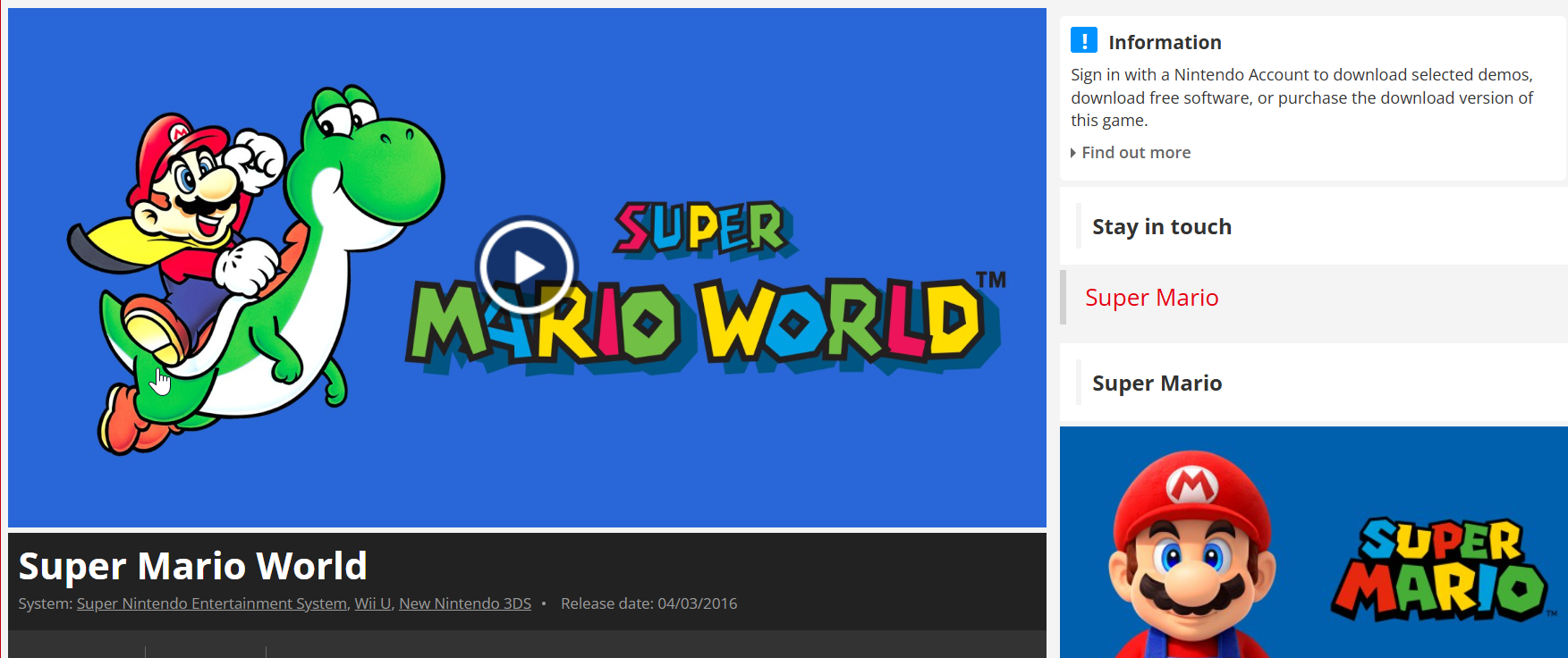
Yoshi changes the game’s rhythm by adding speed and a safety buffer without trivializing jumps. You play with precise d-pad inputs, a satisfying spin jump, and a forgiving run-up for the cape.
It belongs here because it sets the standard for platform clarity, replay value, and family friendliness. To play it today, get the official classics services on modern Nintendo hardware.
Tips: use 4:3, a good d-pad, and practice cape flight in Donut Plains.
2) The Legend of Zelda: A Link to the Past (1991) - SNES
A Link to the Past uses crisp tiles, bold colors, and readable top-down combat that never wastes your time. The controls are simple, but tools like the hookshot and bow deepen puzzles without overwhelming new players.
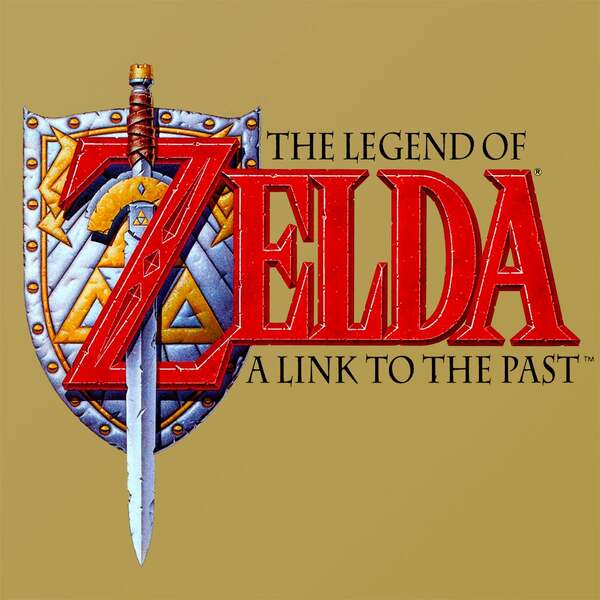
The Light/Dark World structure rewards curiosity and smart routing, so backtracking feels purposeful. It deserves a spot because its dungeon logic teaches players to “read” 2D spaces better than almost anything. To play it today, get the official SNES catalogs on modern systems.
Tips: keep 4:3, enable rewind for boss practice, and expect 12–18 hours for a first run.
3) Sonic the Hedgehog 2 (1992) - Genesis
Sonic 2 pops with high-contrast art, smooth parallax, and iconic loops that telegraph speed safely. The moveset is minimal, yet spindash and momentum management build mastery fast.
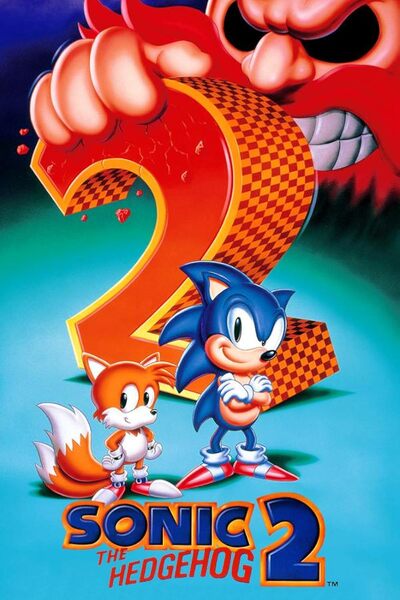
Two-player modes and Tails co-play make it a friendly family pick for quick sessions. It earns inclusion because modern widescreen releases preserve flow while smoothing rough edges. You can play to today through Genesis collections and current-gen ports.
Tips: use widescreen if offered; otherwise 4:3, and map dash to a comfortable button for kids.
4) Super Metroid (1994) - SNES
Super Metroid looks moody and deliberate, with detailed pixel art and a dark sci-fi palette that still feels modern. Movement is tight, and the map folds upgrades back into exploration so you always see your next goal.
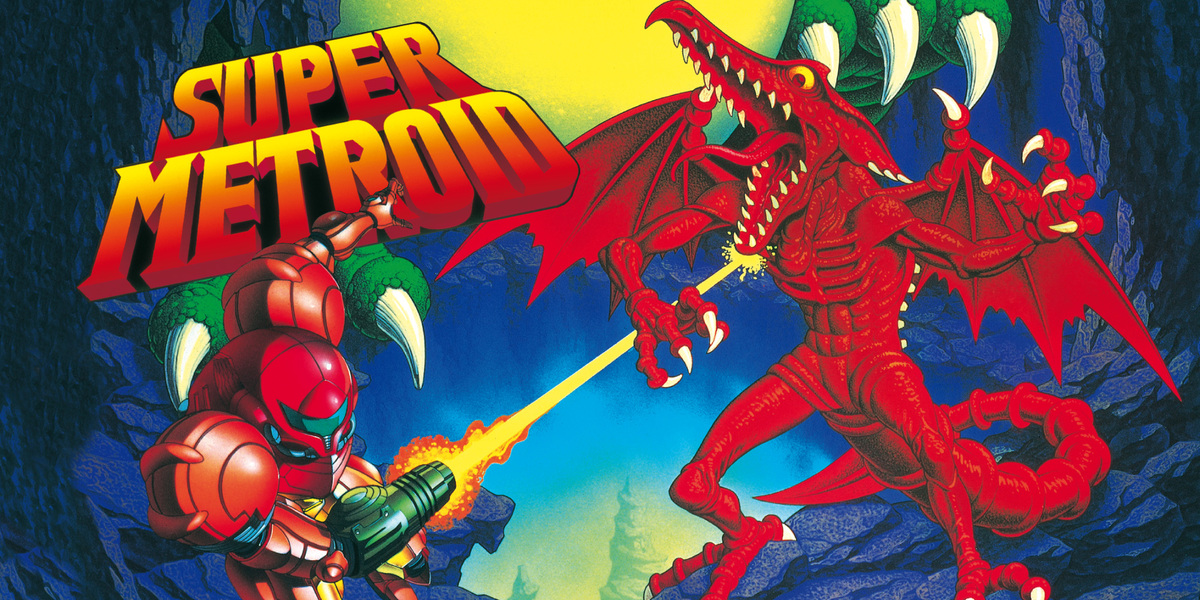
Wall jumps and shinesparks add depth if you want it, yet the game never requires speedrun tech. It belongs here because it defines readable exploration with almost no text or hand-holding. To play it today, go to the official SNES libraries on modern consoles.
Tips: slightly raise gamma for dark rooms, and use save states for tough tricks.
5) Tetris (1989, Game Boy lineage) - Game Boy
Classic Tetris is intentionally minimal so your eyes stay on stacking decisions, not effects. The rules are simple, but the skill ceiling is endless, which makes five-minute breaks and long sessions equally satisfying.
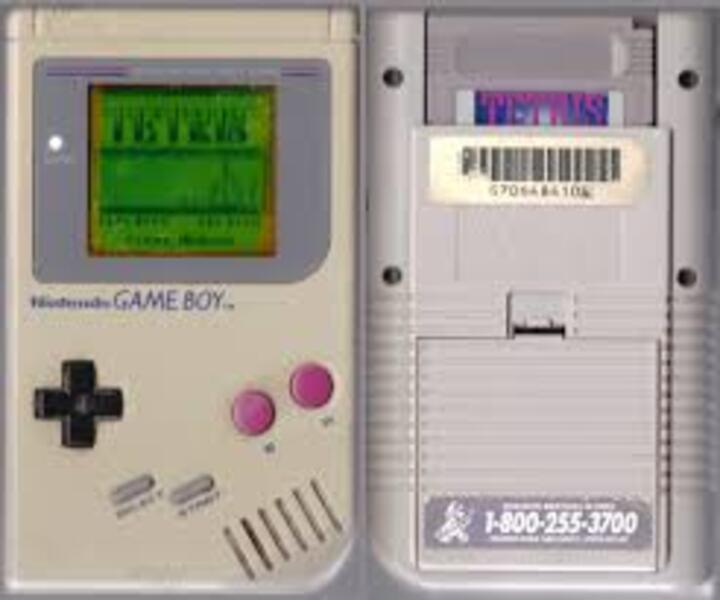
You play by rotating and placing tetrominoes to complete lines while building rhythm and foresight. It’s essential because it is timeless, universal, and age-agnostic for families. You can get many legitimate variants on consoles, PC, and handhelds.
Tips: start slow, chase Tetrises, and increase speed once your stack is clean.
6) Street Fighter II (1991) - Arcade/SNES
Street Fighter II uses big, readable sprites and bold stages so spacing is clear even for beginners. Inputs are deliberate, which makes quarter-circles and charge moves teachable in a single evening.
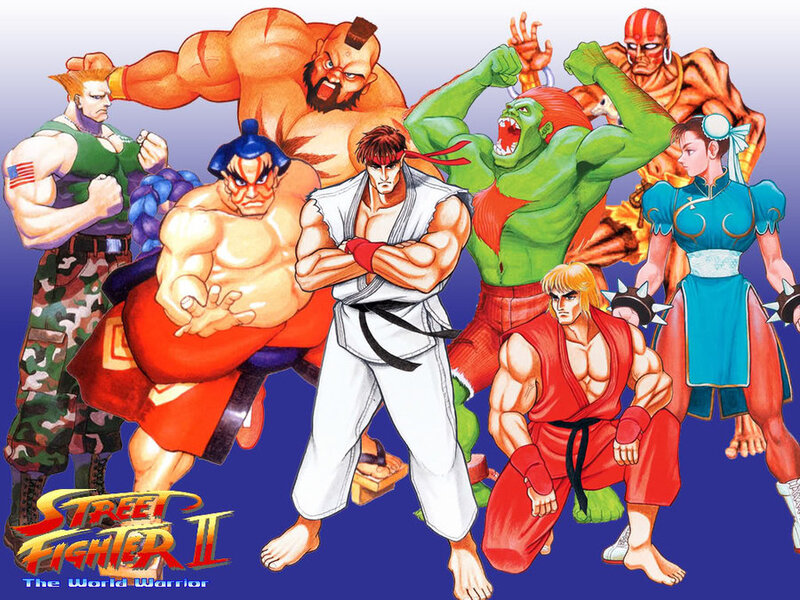
Local versus remains the best classroom for anti-airs, throws, and footsies because feedback is instant. It deserves a place because it created the common language modern fighting games still use. Play it today: retro collections that bundle multiple SFII versions.
Tips: a pad with a crisp d-pad or a stick helps; set best-of-5 rounds for longer sets.
7) Tony Hawk’s Pro Skater 1+2 (roots 1999–2000) - PS1 lineage
The remaster sharpens textures, stabilizes frames, and preserves the original attitude without losing charm. You skate two-minute runs, linking manuals and reverts to build combos while chasing clear goals like letters and tapes.

Controls map perfectly to modern pads, and Free Skate is the best space to learn lines. It matters because the remake nails feel and flow while making onboarding painless for new players. Play it today: current consoles and PC.
Tips: lower motion blur, practice manuals in Free Skate, and expect 10–20 hours to clear career goals.
8) Halo: Combat Evolved (2001) - Xbox
Halo CE is clean and readable, with distinct silhouettes, punchy audio, and open arenas that still feel fresh. You play a flexible sandbox where grenades, melee, and guns form a simple triad that always makes sense.
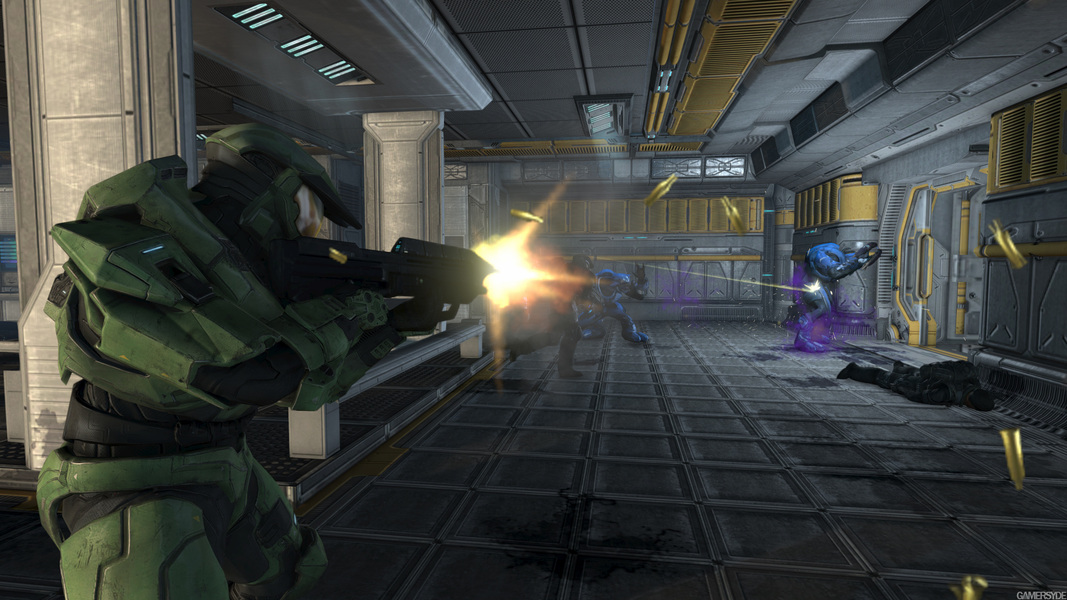
Co-op makes the campaign a great couch experience, and Heroic difficulty hits the best combat balance. It earns inclusion because it defined modern console FPS pacing and encounter design. Play it today: modern collections on Xbox and PC.
Tips: raise FOV if available, try Heroic, and plan for 8–12 hours.
9) Resident Evil 4 (2005) - GameCube/PS2; modern remake available
RE4’s original presentation uses cinematic framing and sharp contrast to sell tension, while the remake improves models and lighting without losing tone. You manage resources carefully, using shoulder-aim and context moves to control crowds and reset pressure.
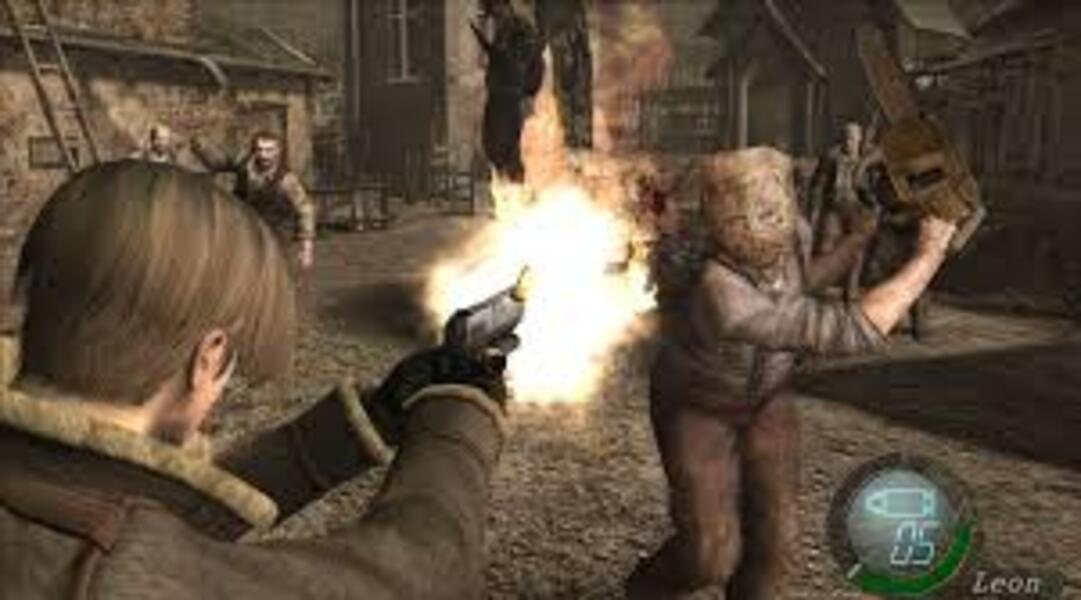
Chapters and merchant breaks keep the pace approachable in short sessions. It stays essential because its encounter design and escalation remain the genre’s benchmark. Play it today: modern ports and the recent remake on current hardware.
Tips: reduce camera acceleration if motion-sensitive, and expect 12–18 hours.
10) Portal (2007) - PC/Console
Portal looks sterile and legible, with clean test chambers that teach physics ideas one at a time. You solve first-person puzzles using a two-portal gun, learning momentum tricks through playful demonstrations.
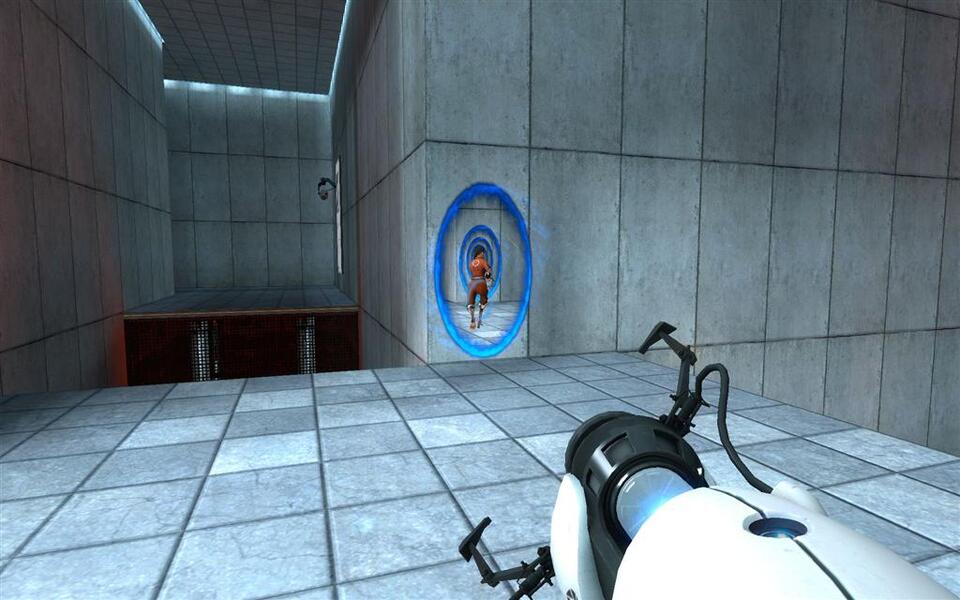
The campaign is short, so almost anyone can finish and feel smart without frustration. It belongs because it rewrote how games teach mechanics while respecting your time. Play it today: PC and modern consoles, including a bundled “Companion” set.
Tips: enable subtitles and finish in two sittings to enjoy the arc.
11) Super Mario 64 (1996) — N64
Mario 64 still reads well because chunky geometry and strong colors prioritize movement over micro-detail. Analog control, variable jump heights, and mid-air adjustments make 3D platforming feel natural immediately.
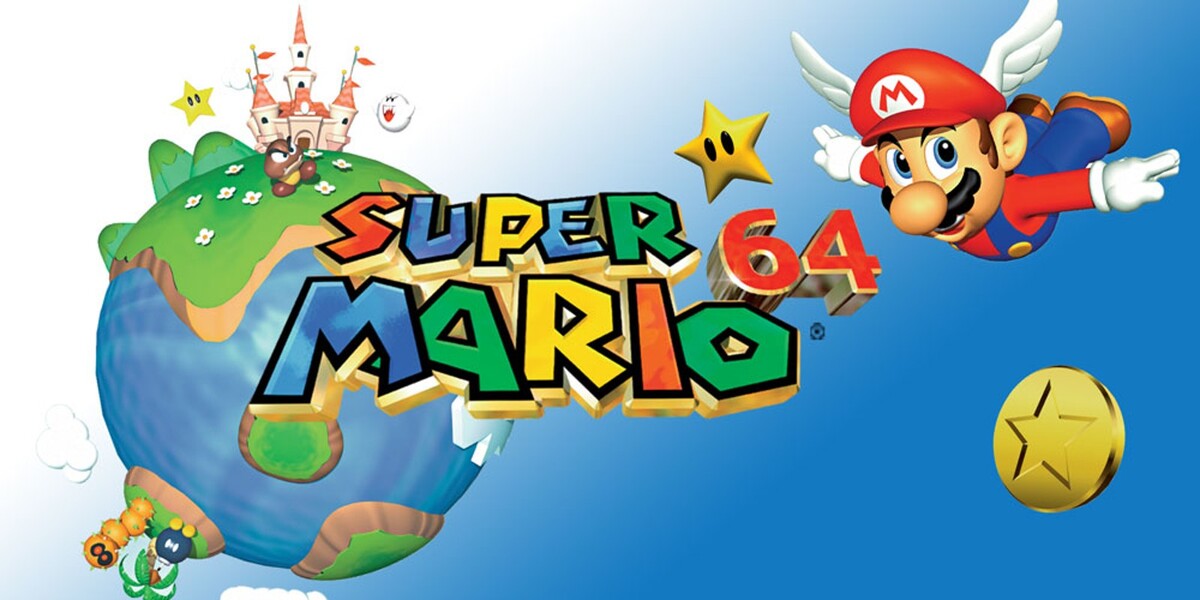
The open star structure lets you choose goals that match your mood, which reduces frustration. It’s here because it wrote the book on 3D character control. Play it today: official N64 classics apps on modern Nintendo hardware.
Tips: disable camera inversion if it bothers you and take short breaks to avoid camera fatigue.
12) The Legend of Zelda: Ocarina of Time (1998) - N64
Ocarina uses soft lighting, musical cues, and expressive animation to guide you through early 3D spaces. Lock-on targeting keeps combat readable, and dungeons mix puzzles with set-piece moments that still land.
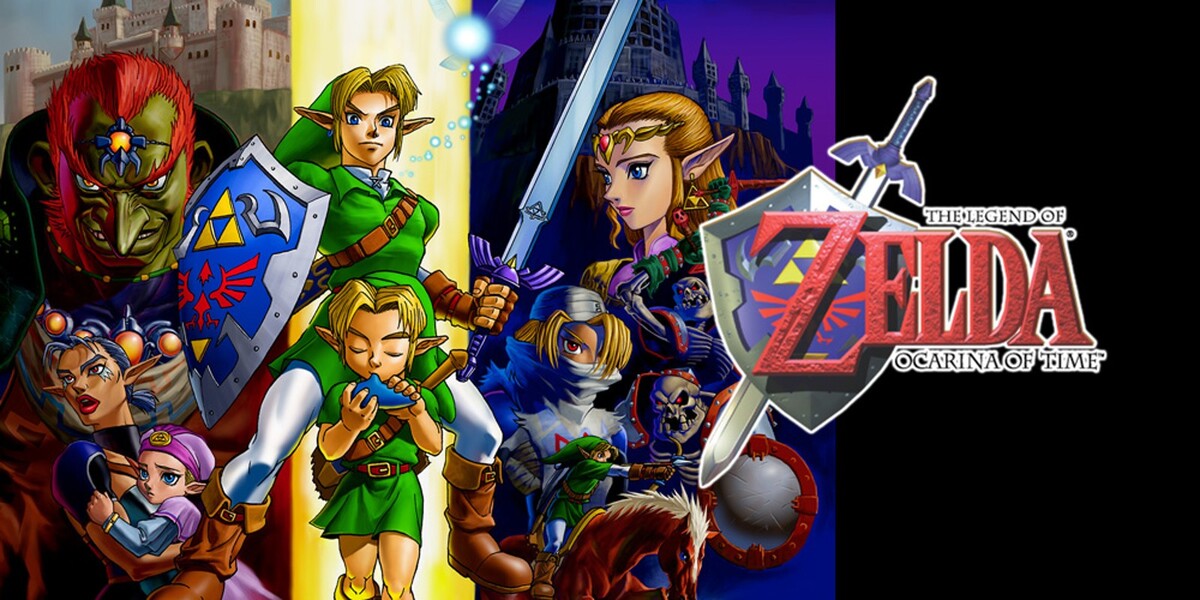
Time-of-day and instrument systems add texture that lingers long after credits. It’s included because it set the standard for 3D adventure structure. Play it today: modern N64 libraries. Tips: favor versions with smoother frame pacing and refined inputs; plan 18–25 hours.
13) Final Fantasy VII (1997) - PS1
FF7 blends stylized characters with pre-rendered backgrounds that hold up thanks to strong composition and camera choices. The ATB system is simple to learn, and the materia grid lets you build distinct loadouts without complexity tax.
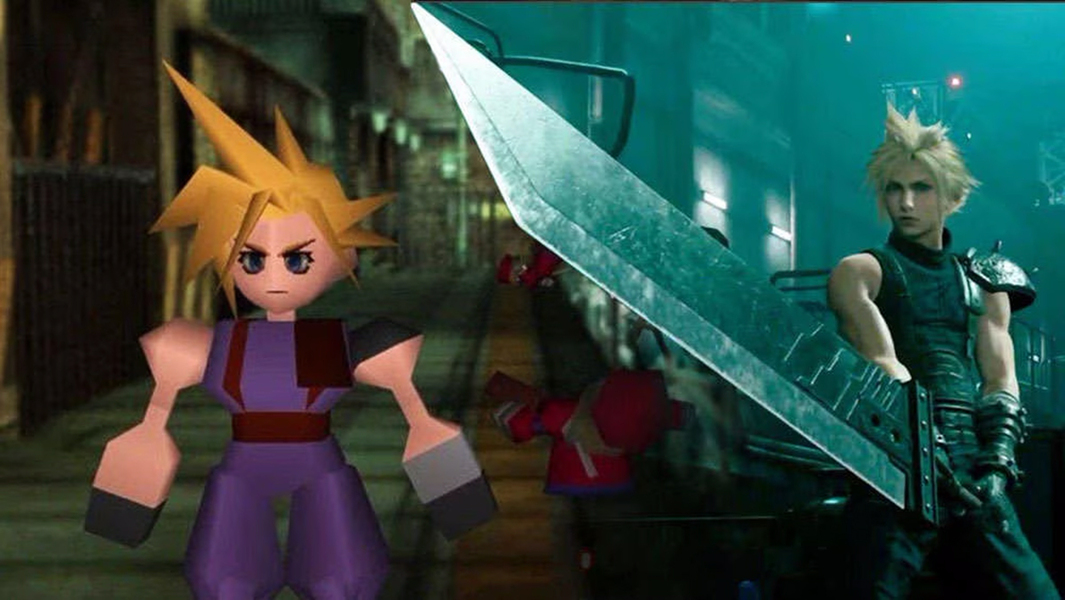
Modern releases add helpful boosters like speed-up and no-encounter toggles to smooth revisits. It matters because it brought cinematic scope to JRPGs while staying approachable. Play it today: current consoles and PC.
Tips: use speed-up for travel and grind, not story beats.
14) Castlevania: Symphony of the Night (1997) - PS1
SotN’s ornate 2D art and fluid animation still look premium on a 4K set. Exploration blends gated progression with gear upgrades so every detour can pay off.

Combat is fast and readable, and backdash tech makes movement snappy once it clicks. It’s here because it shaped the exploration-action template used by countless modern games. Play it today: official bundles and modern ports.
Tips: map backdash to a shoulder button and keep 4:3.
15) Chrono Trigger (1995) - SNES
Chrono Trigger’s warm art and brisk pace make it the easiest classic JRPG to recommend. Battles are turn-based but position matters, so fights stay tactical and quick.
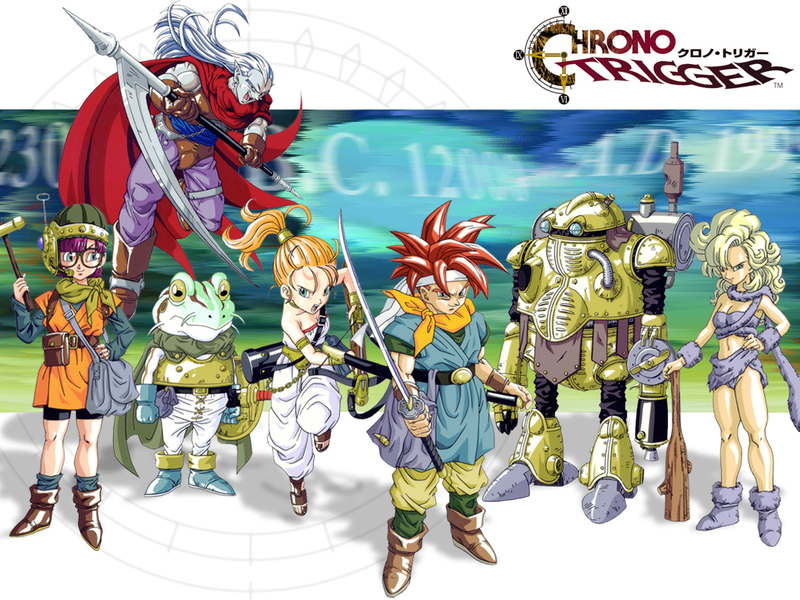
Multiple endings and New Game Plus reward curiosity without heavy grinding. It belongs because it respects your time while delivering heart. Play it today: modern releases with updated UI.
Tips: don’t overlevel; chase alternate endings after the first clear.
Tips for selecting the best nolstagia games
- Family and couch co-op picks: Look for drop-in play, simple controls, and quick retries
- Accessibility and comfort notes: Favor versions with rewind, save states, difficulty toggles, subtitles, and control remapping
- Preservation and legality basics: Stick to official ports, remasters, compilations, and subscriptions for reliable performance
- Speedrun and challenge paths: Add spice after your first clear
- Soundtracks and nostalgia moments: Sample a signature track or scene before you commit
FAQs
What makes a game hold up today? Readable visuals, responsive controls, fair checkpoints, and a solid modern port. If you can learn the basics in minutes and hit a flow state quickly, it holds up.
How do I make old games look better on a 4K TV? Use 4:3, enable integer scaling or scanlines, lower TV sharpness, and sit a little farther back to reduce shimmer.
Do I need a special controller? Not required, but a pad with a crisp d-pad helps for platformers and retro action on even the best games. For fighters and shmups, a stick improves diagonals and comfort.
How long do these games take? Most platformers run 3 to 10 hours; action-adventure games span 10–20; JRPGs can exceed 30. We include ranges so you can plan weekends.
How do you define “Nostalgic”? We focus on titles released up to the mid-2000s that shaped US gaming culture. Every pick includes a simple, legitimate path to play on today’s hardware.
Conclusion
We have listed some of the best nolstagic games you can play depending on your preferences. These games were picked after careful testing and whatever your choice is, you sure will get that classic feeling. Just follow the tips on how to get the best from these games and you will enjoy playing them.

Discussion (0)
Be the first to comment.