



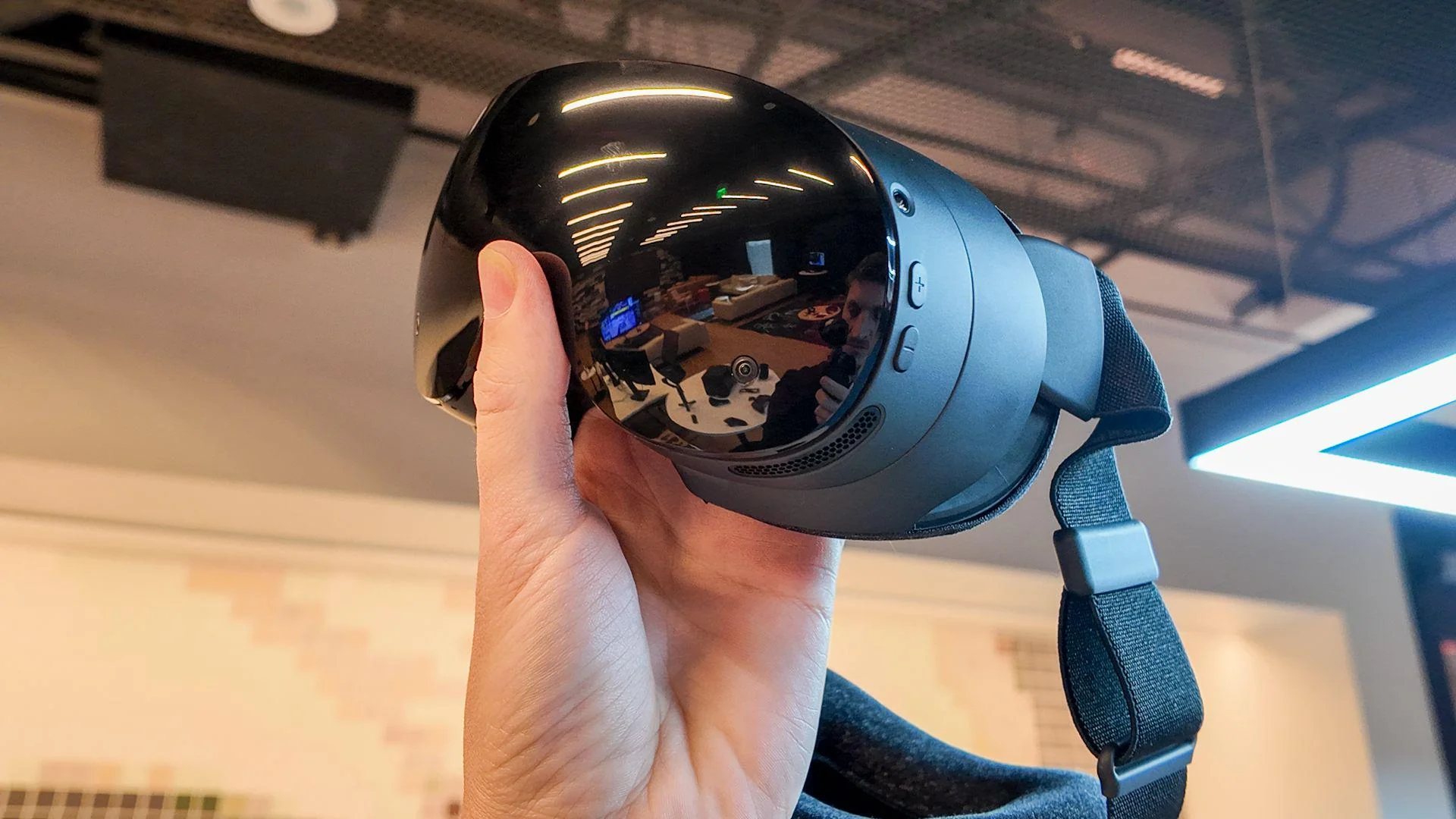
Two important compatibility components linked to Valve’s upcoming Steam Frame device are now publicly visible on Steam, offering another sign that the hardware may be moving closer to release.
FEX and Lepton both appeared on the Steam platform on August 2, 2026. They are not games or applications intended for normal use. Instead, they are translation technologies that should help software built for different operating systems and processor architectures run on the Steam Frame.
Lepton is described as a layer for translating Android software to Linux, while FEX handles x86 applications running on ARM hardware. Both components are expected to play a central role in the device’s software compatibility.
Their public availability follows the Steam Frame receiving FCC certification in the United States, another important step required before consumer hardware can be sold in the country.
FEX will translate x86 software for ARM hardware
The Steam Frame is expected to use an ARM based processor, creating a compatibility challenge for PC games and applications originally built for x86 processors.
FEX is designed to translate x86 instructions so that they can run on an ARM system. This is similar in principle to other compatibility technologies that allow software developed for one architecture to operate on another.
| Component | Main purpose |
|---|---|
| FEX | Translates x86 applications for ARM processors |
| Lepton | Translates Android software for Linux |
| Proton | Helps Windows games run on Linux |
| Steam Frame ARM64 Compat List | Expected to track software compatibility |
FEX could allow the Steam Frame to access a broader selection of existing PC software without requiring every developer to create a native ARM version.
Performance will still depend on the efficiency of the translation layer, the hardware, and the individual game. Some titles may work well, while others could experience reduced performance or compatibility problems.
Lepton connects Android software with Linux
Lepton appears to serve a different role by translating Android applications into a form that can operate within the Steam Frame’s Linux based environment.
The exact purpose of Android compatibility has not been fully explained in the supplied information. It could support Android games, applications, system services, or software elements required by the device.
Making Lepton publicly searchable on Steam gives developers and interested users a clearer view of the underlying technology, although there is currently little that most Steam customers can do with it directly.
Like Proton, Lepton is an enabling layer rather than a standalone product. It is intended to work behind the scenes while compatible applications run on the device.
A compatibility list application has also appeared
A separate Steam store page has been created for a Steam Frame ARM64 Compatibility List.
The listing currently contains no meaningful information, but its presence suggests that Valve may be preparing a public system for showing which games work properly on the device.
The Steam Deck already uses compatibility ratings to classify games as Verified, Playable, Unsupported, or Unknown. A similar system could help Steam Frame buyers understand whether a title works through ARM translation before installing it.
| Possible compatibility status | Likely meaning |
|---|---|
| Fully compatible | Runs correctly with standard controls and settings |
| Playable | Works with some limitations or adjustments |
| Unsupported | Does not currently function |
| Unknown | Has not yet been tested |
The final rating system has not been confirmed, so these categories should not be treated as official Steam Frame labels.
Public listings suggest the software platform is taking shape
The appearance of FEX and Lepton does not confirm a launch date. However, making these components publicly available suggests that Valve is preparing the software infrastructure needed for distribution and testing.
The timing is notable because the Steam Frame recently passed FCC certification. Certification allows wireless hardware to be sold in the United States after regulators confirm that it meets required radio frequency standards.

Together, the certification and public compatibility tools indicate progress across both the hardware and software sides of the project.
Valve has not provided a confirmed release date in the supplied information. The company may still need to complete compatibility testing, manufacturing, distribution planning, and developer support before the device reaches customers.
Steam Frame may depend heavily on translation technology
The Steam Deck benefits from Proton, which allows many Windows games to run through Linux. The Steam Frame appears to require an additional compatibility layer because its expected ARM hardware differs from the x86 processors used by most PC games.
That creates a more complex software path.
A Windows x86 game may need compatibility support for both the operating system and processor architecture. FEX could handle the architecture translation, while Proton or another layer handles the Windows to Linux side.
| Compatibility challenge | Possible solution |
|---|---|
| Windows game on Linux | Proton |
| x86 game on ARM | FEX |
| Android software on Linux | Lepton |
| Game compatibility information | ARM64 compatibility list |
Each additional translation stage can affect performance, latency, stability, and battery use. Valve will therefore need strong optimisation and clear compatibility ratings to make the experience accessible.
The public release of FEX and Lepton is an important development because these tools appear central to how the Steam Frame will run existing software. Combined with recent FCC certification and emerging compatibility listings, their arrival suggests that Valve’s next gaming device is progressing toward a wider reveal or release.



Discussion (0)
Be the first to comment.