


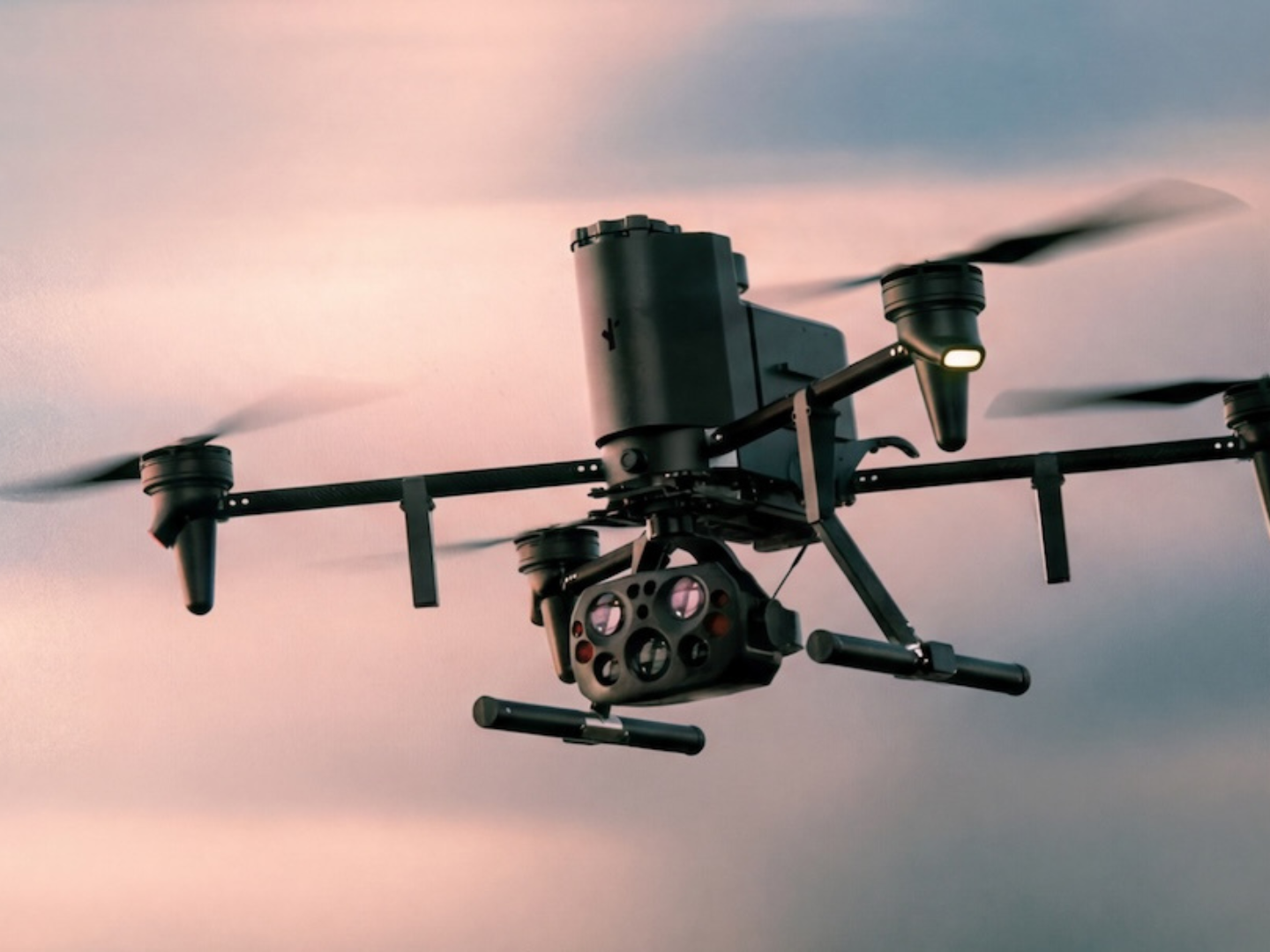
The Knoxville Police Department in Tennessee has introduced a new emergency response system that uses semi autonomous drones to reach incidents before officers arrive on the ground.
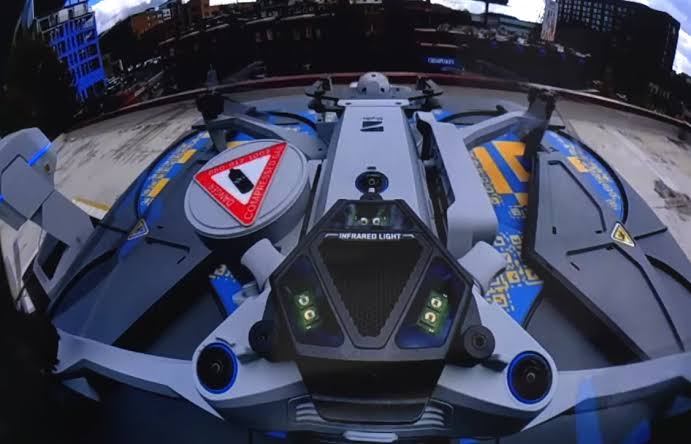
Launched on November 19, 2026, the Drone as First Responder program uses 12 Skydio drone docks installed at city owned facilities across Knoxville.
According to the department, the drones can be launched within seconds of receiving a 911 call and reach almost any location in the city within 90 seconds.
The aircraft provide live video to emergency personnel, allowing them to assess conditions and communicate important information to responding officers.
The program also includes privacy restrictions, with routine video recordings scheduled for deletion after 15 days unless they are required as evidence in an ongoing investigation or prosecution.
Twelve Skydio Drone Docks Provide Coverage Across Knoxville
The police department has installed 12 drone docks at 11 locations throughout Knoxville.
Each dock supports operations within an approximate two mile radius, allowing the network to cover most parts of the city.
Instead of requiring officers to transport and launch a drone manually, the aircraft are stationed at fixed locations and can be deployed remotely.
The drones are managed through the department's Real Time Information Center, where trained personnel oversee launches and flight operations.
Although the system supports automated deployment, human operators remain responsible for managing the aircraft during emergency responses.
The department says this approach allows emergency personnel to obtain an aerial view of an incident before officers arrive.
Local reports indicate that the drones can travel at speeds of approximately 30 miles per hour.
However, the 90 second response figure is a target based on the system's coverage and operating capabilities rather than a guarantee for every emergency.
Weather, operational restrictions, and the location of an incident may affect individual response times.
Drones Will Assist With Traffic Accidents, Emergencies, and Crime Reports
The drones are designed to provide additional information during emergency situations.
For example, an aircraft responding to a traffic accident could help emergency personnel assess road conditions, identify damaged vehicles, and determine whether additional assistance may be required.
During reported crimes, live video could help officers understand the situation before approaching a location.
The system may also support responses to fires, major public emergencies, and severe weather events.
Knoxville Police Chief Paul Noel explained that officers frequently respond to incidents with incomplete or changing information.
The new program is intended to provide more accurate situational awareness so personnel can make better informed decisions.
The department also expects the drones to assist with safety planning during special events and with damage assessments following storms.
However, the aircraft are intended to supplement conventional emergency personnel rather than replace them.
Knoxville Police Will Delete Most Drone Footage After 15 Days
The introduction of police operated drones also raises questions about privacy and surveillance.
Knoxville has established operational restrictions intended to govern how the aircraft are deployed and how recorded information is handled.
Under the department's policy, drone flights are restricted to emergency calls and other activities authorized under applicable law.
Random surveillance patrols are prohibited.
Routine recordings must be deleted after 15 days, although footage relevant to criminal investigations or prosecutions may be retained as evidence.
The department also plans to document flights through a public transparency dashboard and conduct internal audits.
The following details summarize the program.
| Feature | Knoxville Drone Program |
|---|---|
| Launch date | November 19, 2026 |
| Drone manufacturer | Skydio |
| Number of docks | 12 |
| Dock locations | 11 |
| Coverage per dock | Approximately 2 miles |
| Target response time | 90 seconds or less |
| Reported drone speed | Up to 30 mph |
| Operations center | Real Time Information Center |
| Routine video retention | 15 days |
| Random surveillance patrols | Prohibited |
The privacy safeguards are intended to restrict unnecessary monitoring while allowing police to retain evidence when legally required.
Their effectiveness will depend on how consistently the department follows and enforces its procedures.
Knoxville Approved the Drone Program in January 2026
The project began taking shape earlier this year.
In January 2026, Knoxville City Council approved an amended agreement with Axon Enterprises that included the equipment and software required to establish the drone response network.
The system uses Skydio hardware and supporting technology to enable remote deployment.
Following installation and preparation, the department announced the program on November 17 before beginning operational responses on November 19.
The initiative follows similar programs introduced by other police departments across the United States.
Authorities adopting these systems have cited potential benefits including faster initial assessments, improved emergency coordination, and more informed decisions about deploying officers.
However, the available information does not establish whether Knoxville's program has already delivered measurable improvements in response outcomes.
Those results will require operational data collected after deployment.
Police Drone Programs Continue to Raise Privacy Questions
Although emergency response drones can provide useful information, their use by law enforcement remains a subject of public debate.
Supporters argue that rapid aerial assessments can improve safety for officers and the public, particularly during situations where the conditions on the ground are unclear.
Privacy advocates have raised concerns about how police departments collect, store, and access aerial recordings.
There are also questions about whether emergency response systems could eventually be used for broader surveillance activities.
Knoxville's restrictions on random patrols and its 15 day retention policy are intended to address some of these concerns.
The department's public flight records could provide additional opportunities to examine how frequently drones are deployed and for what purposes.
However, transparency measures alone cannot establish whether every flight complies with applicable privacy requirements.
Independent oversight and consistent enforcement remain relevant considerations as the program develops.
Knoxville's New Drone Network Could Change Emergency Response
The introduction of the Drone as First Responder program gives Knoxville police a new way to assess emergencies without waiting for personnel to reach the scene.
With 12 docks distributed across the city, the department aims to provide aerial coverage for most incidents within 90 seconds.
The system could be particularly useful for rapidly developing emergencies where additional information helps responders understand potential hazards.
At the same time, its operation introduces responsibilities involving aircraft safety, data protection, and appropriate surveillance restrictions.
For now, Knoxville has begun deploying the technology with defined operating procedures and a routine 15 day video retention limit.
The program's longer term value will depend on whether it improves emergency response outcomes while maintaining the privacy protections established for residents.



Discussion (0)
Be the first to comment.