



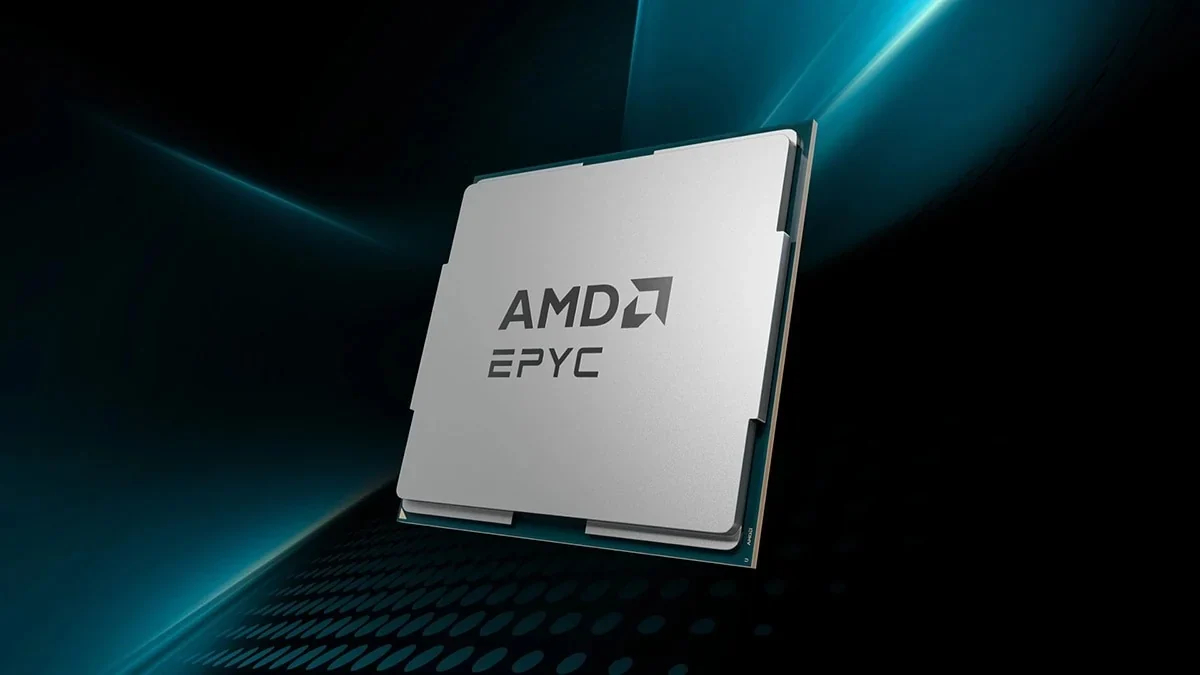
AMD's upcoming Zen 6 desktop processors, reportedly known as Olympic Ridge, may arrive later than previously expected following a change in their manufacturing process.
According to a new leak, AMD has moved its next generation Ryzen desktop processors to TSMC's performance focused N2X manufacturing technology, potentially delaying their release until the second half of 2027.
The processors were previously expected to arrive around Computex 2027, but the reported manufacturing change could push their availability beyond the event.
The information comes from hardware leaker zhangzhonghao, who also suggests that growing demand for artificial intelligence and server processors has influenced AMD's consumer CPU development schedule.
AMD has not officially confirmed the reported delay or announced a specific launch date for its Zen 6 desktop lineup.
AMD Zen 6 Desktop CPUs Reportedly Switch to TSMC N2X
The latest information suggests that AMD has selected TSMC's N2X process for its Olympic Ridge desktop processors.
N2X is a specialized version of TSMC's 2nm manufacturing technology designed for processors that require higher operating frequencies.
Unlike process variants optimized primarily for lower power consumption, N2X focuses on improving performance at demanding operating conditions.
According to TSMC's technical information, the process combines high performance standard cells with faster transistor devices.
Each improvement reportedly contributes approximately 5% to performance, producing a combined speed advantage of around 10% under suitable conditions.
However, this does not mean AMD's Zen 6 processors will automatically deliver a 10% improvement over existing Ryzen CPUs.
Actual performance depends on several factors, including processor architecture, clock speeds, cache configuration, power limits, and software workloads.
The leaker did not identify which manufacturing process AMD originally intended to use for Olympic Ridge.
Consequently, the precise reason for the reported change remains uncertain.
TSMC's N2X Production Schedule Could Explain the Delay
TSMC's manufacturing roadmap provides additional context for the rumored postponement.
The semiconductor manufacturer has revised its timeline for N2X technology over the past several years.
An earlier roadmap from 2023 placed N2X alongside N2P in the 2026 timeframe.
However, subsequent roadmaps moved N2X production into 2027.
TSMC's updated 2026 roadmap continues to indicate a 2027 schedule for the performance oriented process.
This change could explain why AMD's desktop Zen 6 processors may not arrive during the first half of next year.
The situation differs from TSMC's standard N2 process, which entered volume production in late 2025.
N2P, another variant of the 2nm technology, was scheduled for the second half of 2026.
| Manufacturing Process | Reported Production Timeline |
|---|---|
| TSMC N2 | Volume production began in late 2025 |
| TSMC N2P | Second half of 2026 |
| TSMC N2X | 2027 |
Although the timelines support the possibility of a delay, they do not independently confirm AMD's manufacturing plans.
AI Processor Demand May Be Affecting AMD's Consumer CPU Schedule
The leak also suggests that growing demand for AI infrastructure and server processors may have influenced AMD's product priorities.
AI accelerators and server CPUs have become increasingly important parts of the semiconductor market as technology companies continue expanding data center capacity.
Manufacturers must balance production resources across multiple product families, particularly when newer manufacturing technologies have limited capacity.
The source claims that AMD's desktop processors could have arrived earlier without the additional demand associated with AI hardware.
However, no specific production allocation figures or internal scheduling documents were provided to support that explanation.
It remains unclear how much of the reported delay is related to manufacturing technology and how much might involve other development considerations.
AMD Zen 6 Olympic Ridge Is Still Expected to Support AM5
Despite the possible delay, Olympic Ridge is expected to remain compatible with AMD's existing AM5 desktop platform.
AMD has confirmed plans to support the AM5 socket through 2029.
References to Olympic Ridge have also reportedly appeared in technical documentation associated with the socket.
This suggests that AMD intends to continue supporting its established desktop platform rather than immediately introducing an entirely new socket.
The same leaker also claims that AMD has revised the chipset design planned for its next generation motherboards.
The revised implementation is reportedly less bulky than the original design, although no detailed technical explanation was provided.
As a result, the exact motherboard changes remain unknown.
AMD Could Showcase Zen 6 Medusa Point at CES 2027
Although Olympic Ridge may arrive later than expected, AMD could still introduce other Zen 6 products during the first half of 2027.
According to hardware leaker Kepler, AMD's upcoming CES 2027 presentation is expected to focus on Medusa Point, its next generation mobile processor family.
The leaker suggests that neither Olympic Ridge nor AMD's next generation Radeon graphics cards will be announced during the keynote.
If accurate, AMD could introduce Zen 6 architecture through mobile products before launching its desktop Ryzen lineup.
However, these details remain unofficial, and AMD has not confirmed the complete product announcements planned for CES.
For desktop PC builders, the most important development is the possibility that Olympic Ridge will arrive after Computex 2027.
The reported move to TSMC's N2X manufacturing process could allow AMD to prioritize higher operating frequencies, but it may also require additional development time.
Until AMD confirms its manufacturing plans and release schedule, the second half of 2027 should be treated as a rumored launch window rather than an established date.


Discussion (0)
Be the first to comment.