



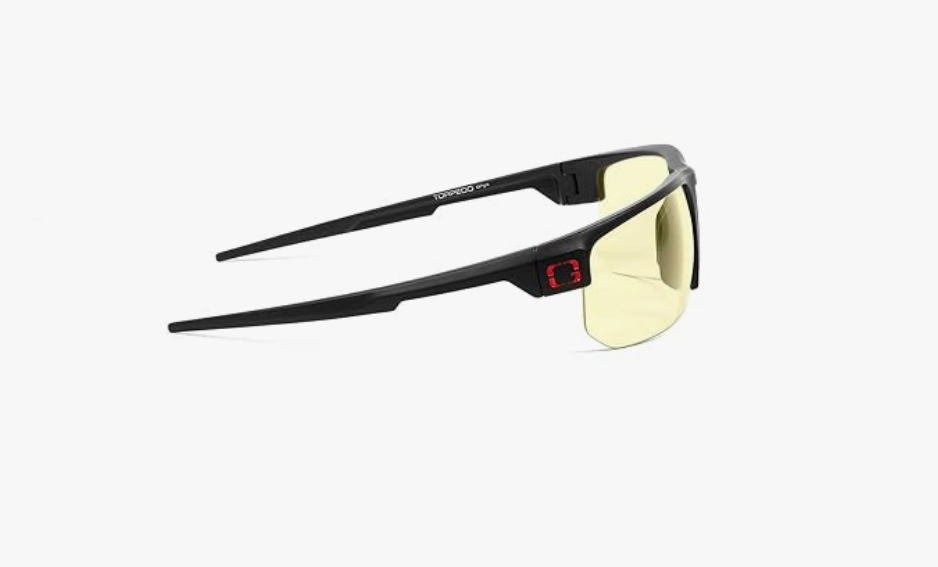
Blue light glasses are one of those products that sound useful but often feel overhyped. Gunnar has been one of the most recognizable names in this space for years, especially among gamers and people who spend long hours in front of screens.
The real question isn’t what they promise. It’s whether they actually make a difference over time.
What Gunnar Glasses Are Supposed to Do
Gunnar glasses are designed to reduce eye strain caused by prolonged screen use.
They typically feature:
- Blue light filtering lenses
- Anti-glare coatings
- Slight magnification (on some models)
- A subtle yellow tint
The idea is to reduce visual fatigue, improve comfort, and make long sessions easier on your eyes.
What You Notice Initially
When you first start using Gunnar glasses, the difference is noticeable.
The yellow tint softens harsh light, especially from bright screens. Text can feel slightly easier to read, and glare is reduced.
For some users, this creates an immediate sense of comfort.
But this is also where expectations can get skewed. The initial effect feels more dramatic than the long-term impact.
Long-Term Use: What Actually Changes
After extended use, the experience becomes more subtle.
The glasses don’t “fix” eye strain. What they do is reduce how quickly it builds up.
You may notice:
- Less fatigue during long sessions
- Fewer headaches related to screen exposure
- Slightly improved comfort in low-light environments
But the effect isn’t transformative. It’s incremental.
Real-World Usage: Who Benefits the Most
Gunnar glasses make the most sense for people who spend several hours a day in front of screens.
This includes:
- Gamers
- Office workers
- Students
- Content creators
If your screen time is occasional, the benefit is minimal.
The more consistently you use screens, the more noticeable the effect becomes.
The Placebo Question
This is worth addressing directly.
Some of the perceived benefit can come from expectation. Blue light filtering is real, but its impact varies between individuals.
That doesn’t mean the glasses don’t work. It means the results aren’t identical for everyone.
For many users, the combination of reduced glare and visual comfort is enough to justify them, regardless of how much is physiological versus perceptual.
Limitations You Should Know
Gunnar glasses won’t solve deeper issues.
They won’t fix:
- Poor screen brightness settings
- Bad posture
- Lack of breaks
- Underlying vision problems
If your setup is uncomfortable, glasses alone won’t compensate for it.
They’re a supplement, not a solution.
Are They Worth It?
That depends on your expectations.
If you expect a dramatic change, you’ll likely be disappointed.
If you see them as a small improvement in comfort over long periods, they make more sense.
They’re most useful as part of a broader approach to reducing eye strain.
Alternatives You Should Consider
Before buying, it’s worth trying simpler adjustments:
- Lower screen brightness
- Enable night mode or blue light filters in your OS
- Take regular breaks
- Adjust lighting in your workspace
These changes often have a bigger impact than glasses alone.
Final Thoughts
Gunnar glasses do work, but not in a dramatic way.
They reduce strain slightly, improve comfort, and make long sessions more manageable. Over time, that can add up.
But they’re not essential, and they won’t replace good habits.
If you spend a lot of time in front of a screen, they’re worth considering. Just keep your expectations realistic.
FAQs
Do Gunnar glasses really reduce eye strain?
They can help reduce it slightly, especially during long sessions.
Are they worth buying?
Yes, if you spend hours in front of screens. Otherwise, the benefit is limited.
Do they block all blue light?
No, they reduce it, not eliminate it completely.
Can they replace screen adjustments?
No, they work best alongside proper screen settings and habits.
Do they work for everyone?
No, results vary depending on the individual.


Discussion (0)
Be the first to comment.