



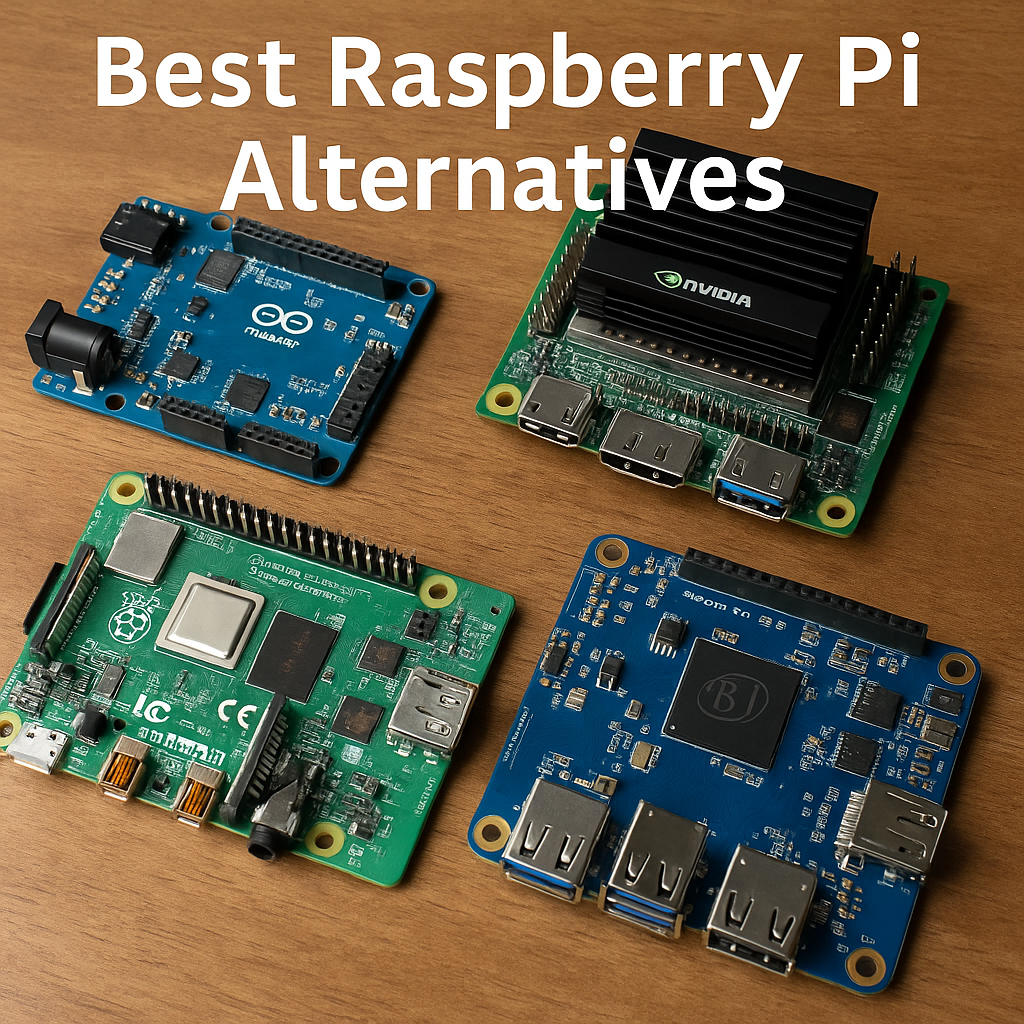
If you cannot find a Raspberry Pi in stock or need more performance, there are several single-board computers that can step in. The best Raspberry Pi alternatives cover everything from budget classroom kits to powerful AI and media boards, so you are not locked into one platform.
Most Raspberry Pi alternative boards use similar connectors, run familiar Linux distributions, and keep power requirements low. That means you can still build home labs, media centers, smart home hubs, and robotics projects without waiting on Pi inventory or paying higher prices.
Why Look For Raspberry Pi Alternatives
Raspberry Pi boards remain popular, but recent price changes and supply issues make it smart to consider other options. Some single-board computers like Raspberry Pi offer more RAM, faster storage, or better video output, while others simply cost less and are easier to buy.
When you evaluate the best Raspberry Pi alternatives, focus on CPU performance, GPU capabilities, memory size, storage options, and community support. Matching these features to your project helps you avoid overpaying for unused power or underestimating what you need.
Top Raspberry Pi Alternatives
These Raspberry Pi alternative boards are widely available at the time of writing and cover most DIY, media, and AI use cases.
Orange Pi 5 Plus: Best For Media And Edge AI
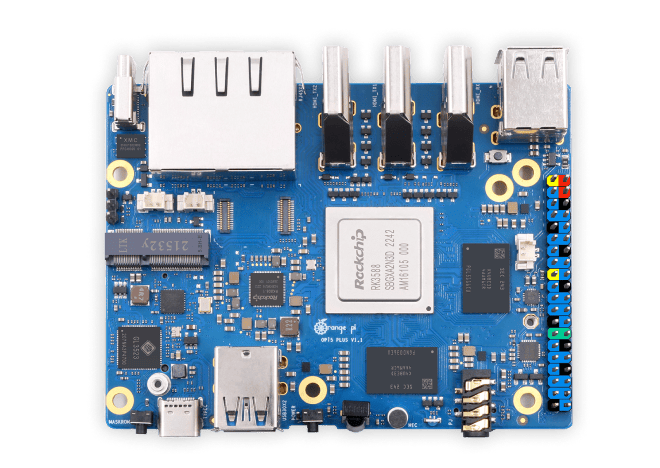
The Orange Pi 5 Plus is one of the best Raspberry Pi alternatives if you need strong CPU and GPU performance. It targets media-heavy builds and small AI projects that need more horsepower than earlier Pi models.
- 8-core Rockchip processor and integrated NPU suitable for 4K and 8K video and edge AI.
- Up to 16GB RAM with NVMe storage options for faster boot and app loading.
- Good choice for home media servers, retro gaming builds, and computer vision projects.
Libre Computer Le Potato: Best Cheap Raspberry Pi Alternative
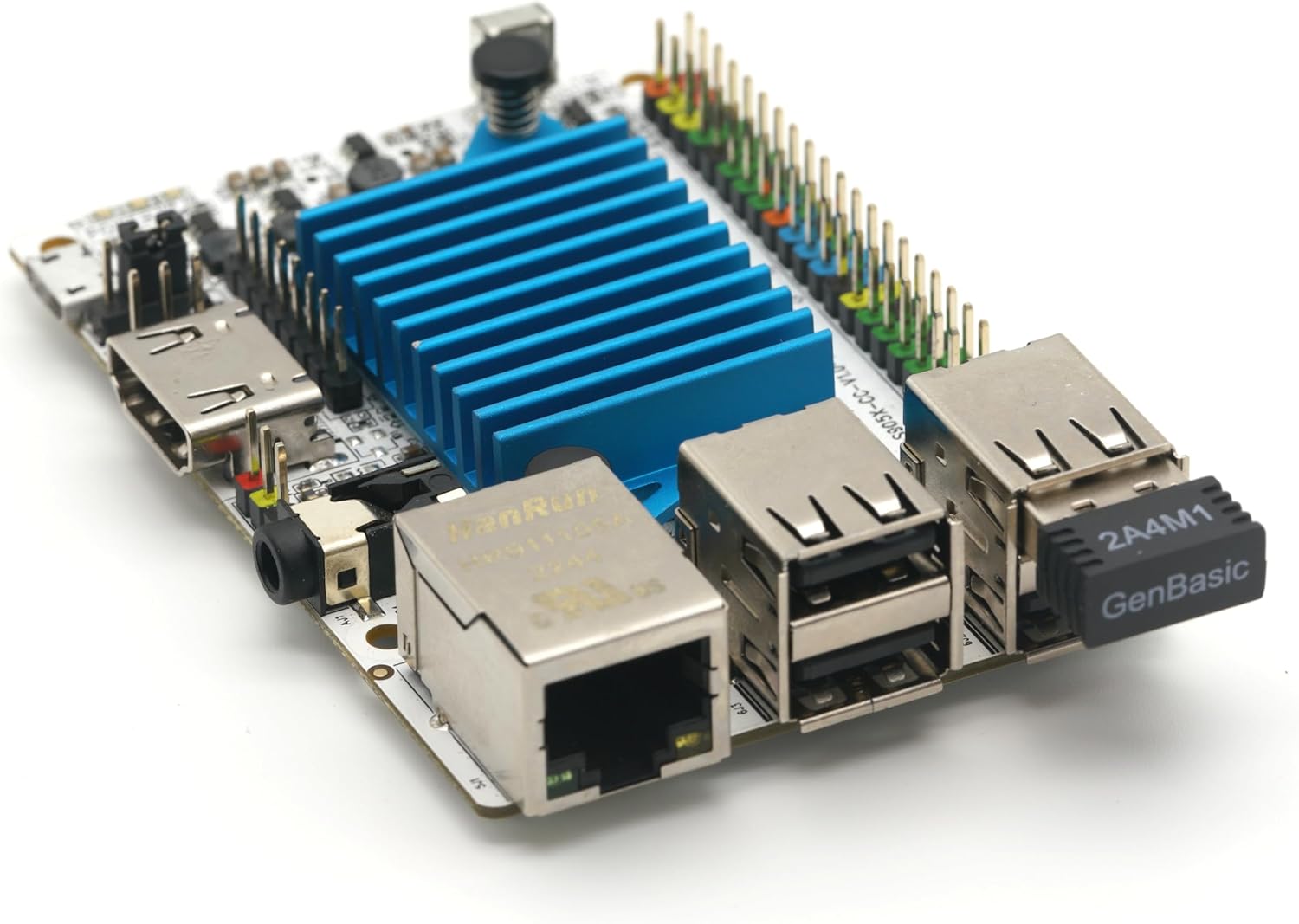
Libre Computer’s Le Potato board aims at budget builds while still supporting full HD and 4K video playback. It is one of the best Raspberry Pi alternatives for simple media centers and classroom projects.
- Quad-core Amlogic CPU with HDMI 2.0 for 4K output at a low price point.
- Uses microSD or eMMC storage and supports popular Linux distributions.
- Ideal for teaching, light media playback, and hobby projects that do not need high-end specs.
Banana Pi M5: Best For NAS And Light Servers
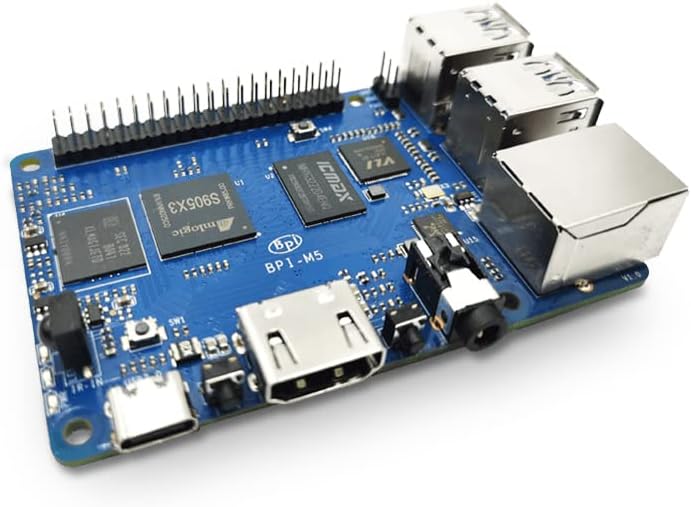
The Banana Pi M5 focuses on storage and network performance, making it a strong Raspberry Pi alternative board for home servers and small network appliances.
- Quad-core processor, 4GB RAM, and built-in eMMC storage for responsive system performance.
- Gigabit Ethernet makes it suitable for NAS, media servers, and small self-hosted services.
- Runs several Linux distributions and Android builds for flexible deployment.
NVIDIA Jetson Nano: Best For AI And Machine Learning
If your project needs GPUs and deep-learning frameworks, the NVIDIA Jetson Nano is one of the best Raspberry Pi alternatives for AI. It was designed for running neural networks and computer vision at the edge.
- Quad-core ARM CPU paired with a 128-core NVIDIA GPU for accelerated AI workloads.
- Supports popular AI frameworks and full Linux desktops for prototyping and testing.
- Great fit for robotics, smart cameras, and small AI labs that outgrow standard Pi boards.
Odroid N2 Plus: Best For Performance Per Dollar
The Odroid N2 Plus aims at users who want strong general performance without entering workstation prices. It belongs on any list of best Raspberry Pi alternatives for everyday DIY and emulation builds.
- Hexa-core ARM processor with higher clocks than many budget SBCs.
- Offers eMMC support, fast DDR4 memory, and strong 4K media performance.
- Suitable for emulation stations, home labs, and always-on home automation nodes.
Arduino Uno R3: Best For Simple Microcontroller Projects
While the Arduino Uno R3 is not a full single-board computer, it is often the best Raspberry Pi alternative when you only need a microcontroller. It runs small control programs and uses very little power.
- Low-cost board with simple programming model and huge community support.
- Perfect for sensors, robotics, and embedded projects that do not need a full OS.
- Pairs well with more powerful Raspberry Pi alternatives when you split control and compute tasks.
Troubleshooting Common Problems
Different Raspberry Pi alternative boards can introduce new setup issues, but most problems fall into a few predictable categories.
- Board Does Not Boot: Confirm you flashed the correct OS image for that board and used a reliable microSD or eMMC module.
- No Display Output: Check HDMI version support, resolution limits, and make sure the monitor input matches the active port.
- No Network Connectivity: Verify the correct Wi-Fi drivers or Ethernet settings in your chosen Linux distribution.
- USB Devices Not Detected: Some boards share power across ports, so avoid power-hungry USB hubs and try a powered hub if needed.
- Board Overheats Or Throttles: Add a heatsink, fan, or low-cost case with ventilation when you run heavy workloads or AI projects.
Tips
- Match the board to the job: pick media-focused Raspberry Pi alternatives for 4K playback and AI-focused boards for machine learning work.
- Plan storage early by choosing boards that support eMMC or NVMe if you expect frequent reads and writes.
- Check power supply recommendations carefully; underpowered adapters cause random reboots and SD card corruption.
- Look for active communities, wikis, and OS images before you buy so you spend less time debugging drivers.
- Keep spare microSD cards on hand so you can experiment with different operating systems without losing your main setup.
FAQ
Are Raspberry Pi Alternatives Harder To Use Than A Raspberry Pi?
Some boards need a little more setup, but most major Raspberry Pi alternative boards now have ready-made Linux images and documentation. If you follow the vendor guides, the experience feels similar to setting up a Pi.
Which Raspberry Pi Alternative Is Best For A Home Media Center?
Boards like Orange Pi 5 Plus and Libre Computer Le Potato work well for media centers because they support 4K output and hardware video decoding.
What Is The Best Raspberry Pi Alternative For AI Projects?
The NVIDIA Jetson Nano and newer high-end Orange Pi boards are strong options when you need GPUs, NPUs, and access to machine learning frameworks.
Can I Reuse My Raspberry Pi Cases And Accessories?
Some Raspberry Pi alternatives share a similar layout and 40-pin GPIO header, but many do not. Always check mechanical drawings and GPIO pinouts before assuming compatibility.
Summary
- Raspberry Pi shortages and new pricing make it worth exploring other single-board computers.
- Boards like Orange Pi 5 Plus, Le Potato, Banana Pi M5, Jetson Nano, and Odroid N2 Plus cover most DIY, media, and AI needs.
- Arduino Uno R3 is a simple alternative when you only need microcontroller-style control.
- Focusing on CPU, GPU, memory, storage, and community support helps you pick the best Raspberry Pi alternative for your project.
Conclusion
The best Raspberry Pi alternatives give you more options for performance, storage, and availability without giving up the low power and flexibility makers expect. Whether you build a media center, AI prototype, home server, or simple sensor node, there is a single-board computer that fits your budget and workload.
By matching each project to the right board and paying attention to software support, you can move past stock issues and keep experimenting. The Raspberry Pi ecosystem remains important, but these alternative boards make sure your next idea does not have to wait for one specific device to be in stock.


Discussion (0)
Be the first to comment.