




If 12ft Ladder no longer opens articles reliably, you are not alone. Many publishers now block simple text-only loaders, forcing readers to look for smarter alternatives. The options below focus on reliability, safety, and ease of use rather than gimmicks.
Table of contents
- 1) Archive.is / Archive.today
- 2) RemovePaywalls.com
- 3) Smry.ai
- 4) 13ft Ladder (Self-hosted)
- 5) Byebyepaywall
- 6) Unpaywall (Academic content)
- 7) Browser reader modes
- 8) Search engine cached pages
- What makes a good 12ft Ladder alternative
- Which alternative works best for your use case
- Legal and ethical considerations
- Common issues and how to fix them
- FAQs
- Summary
1) Archive.is / Archive.today
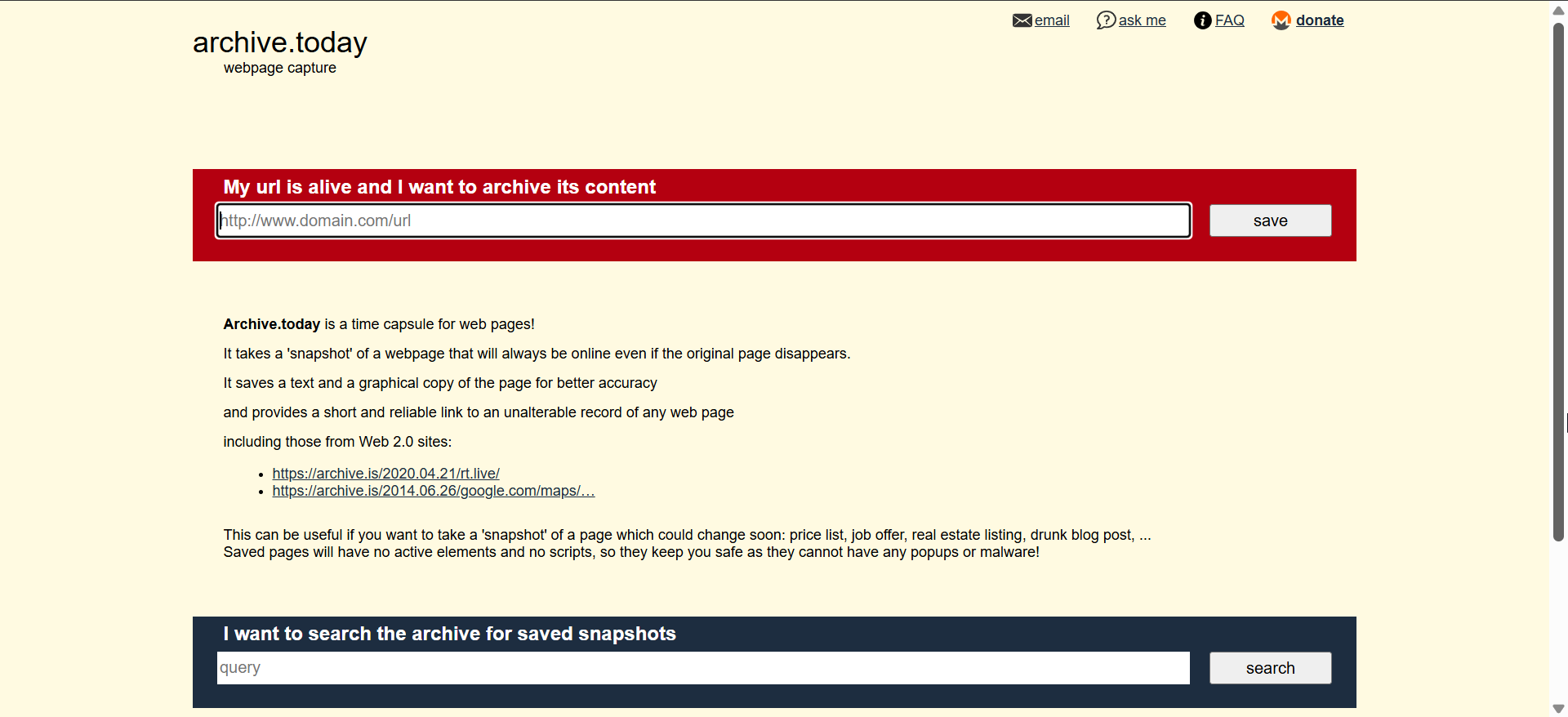
Archive.is saves a static snapshot of an article before or shortly after publication. Because it loads archived HTML instead of the live site, most soft and mid-level paywalls do not apply. This makes it one of the most reliable 12ft Ladder alternatives.
The downside is timing. If the page was never archived, the tool cannot help immediately. Some newer articles may require manual archiving before access.
Archive layouts also lack interactive elements. However, for plain reading, it consistently delivers full text.
2) RemovePaywalls.com

RemovePaywalls.com combines multiple bypass techniques behind one interface. It automatically tries archive sources, reader modes, and redirects depending on the site. This multi-layer approach improves success rates compared to single-method tools.
The service works best on mainstream news outlets and magazines. Results vary on financial or subscription-only platforms with account enforcement. Still, it outperforms basic URL tricks in most cases.
Privacy risks remain moderate. The site redirects content rather than injecting scripts or extensions.
3) Smry.ai

Smry.ai focuses on extracting and summarizing article content rather than loading the full page. It works well when you want the core information quickly without navigating ads or paywalls. This makes it useful when 12ft Ladder fails completely.
The output prioritizes readability over original formatting. Images, charts, and embedded media rarely appear. Users should expect clean text summaries instead of exact replicas.
For research or quick news checks, Smry.ai serves as a practical fallback. It does not replace full-article access in every scenario.
4) 13ft Ladder (Self-hosted)
13ft Ladder is a self-hosted alternative inspired by the original 12ft Ladder concept. Users run it locally or on a private server, avoiding public blocks. This setup increases long-term reliability.
The tool suits technical users comfortable with Docker or server configuration. Casual readers may find setup too complex. Once running, it works similarly to classic text-only loaders.
Control remains its biggest advantage. You decide updates, hosting, and access limits.
5) Byebyepaywall

Byebyepaywall acts as a routing hub rather than a standalone bypass tool. It sends the same article through multiple services like archives or text loaders. This saves time when one method fails.
Success depends entirely on the external tools it connects to. It does not bypass paywalls on its own. Users should treat it as a convenience layer.
For quick testing across methods, it works well. Reliability still varies by publisher.
6) Unpaywall (Academic content)

Unpaywall focuses exclusively on academic and research papers. It finds legal, open-access versions stored in institutional repositories. This makes it unsuitable for general news but excellent for journals.
The browser extension highlights free PDFs automatically. No manual searching is required. This reduces friction for students and researchers.
Unpaywall does not bypass paywalls illegally. It only surfaces legitimate free copies.
7) Browser reader modes
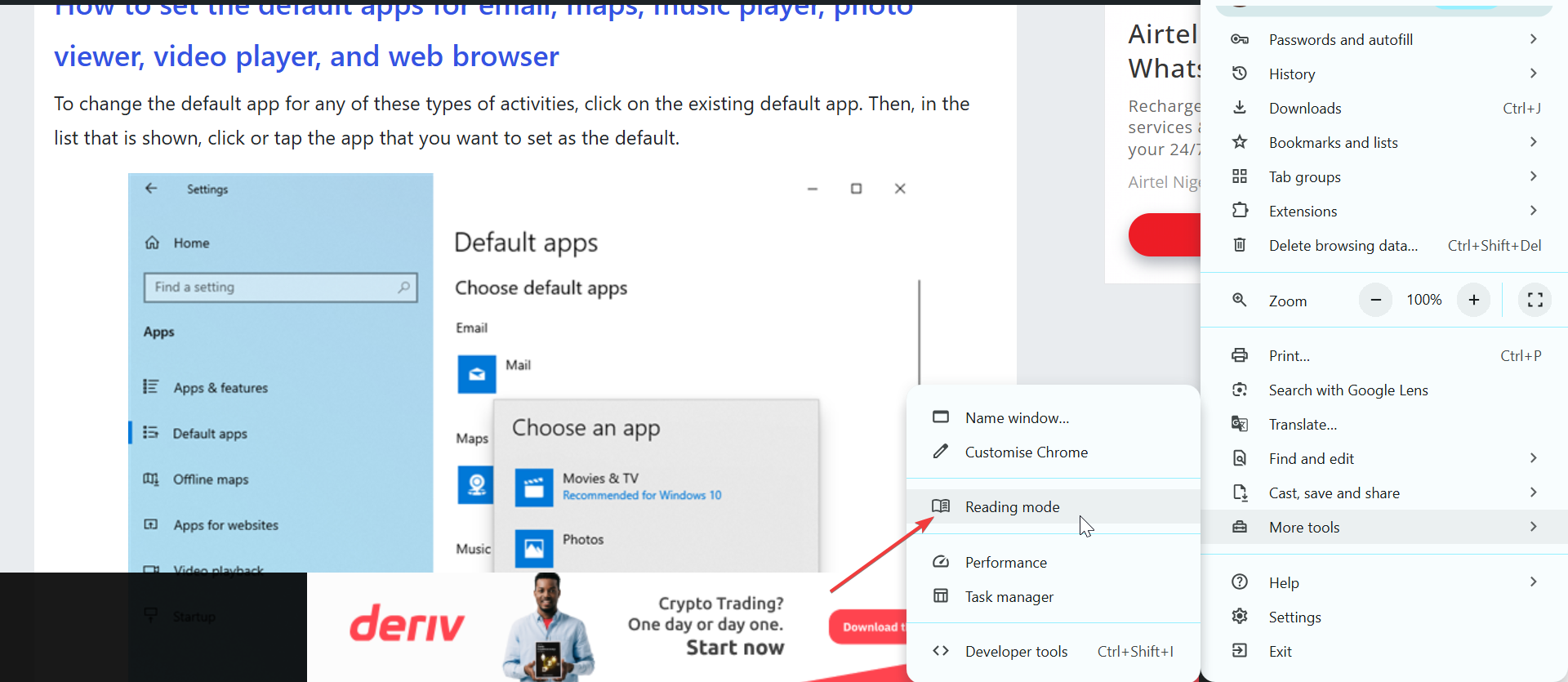
Modern browsers include built-in reader views that strip ads and scripts. On soft paywalls, this still reveals full articles. It works instantly with no external tools.
Results vary by publisher. Many sites now detect reader mode usage and limit content. Still, it remains a low-effort option.
Reader modes pose minimal privacy risk. They operate entirely on-device.
8) Search engine cached pages
Google and Bing sometimes store cached versions of articles. These snapshots may load without paywalls if captured early. This method requires no third-party tools.
Availability is inconsistent. Many publishers disable caching entirely. Cached pages also disappear quickly.
As a fallback, it still helps for breaking news articles. Long-term access remains unreliable.
What makes a good 12ft Ladder alternative
A strong alternative must work across multiple publishers, not just one or two. It should load full article text without breaking formatting or removing images entirely. Speed and consistency matter more than flashy features.
Privacy also plays a key role. Tools that avoid browser extensions or account logins reduce tracking risks. Simple, web-based solutions usually offer better control.
Which alternative works best for your use case
Casual news readers
Archive-based tools and RemovePaywalls.com offer the least friction. They work directly in the browser without setup. These options suit occasional reading.
Daily readers and researchers
Smry.ai and Unpaywall handle frequent access efficiently. They reduce clutter and focus on information delivery. Reliability improves when combined with archives.
Power users
Self-hosted tools like 13ft Ladder provide control and longevity. They avoid public blocks and dependency on third-party uptime. Setup effort pays off over time.
Legal and ethical considerations
Most tools exploit technical gaps rather than legal permissions. Publishers retain rights over paid content. Users should avoid redistribution or commercial use.
Open-access tools like Unpaywall operate within legal boundaries. When possible, supporting publishers ensures long-term content availability.
Common issues and how to fix them
- Page loads but text is missing: This usually indicates a hard paywall. Try archived snapshots or summaries instead of live loaders.
- Works on desktop but not mobile: Mobile browsers restrict reader modes and caching. Switching to archive-based tools often resolves the issue.
FAQs
Which 12ft Ladder alternative works most reliably?
Archive-based services tend to work best across major news sites. They bypass live paywalls by loading stored snapshots instead of active pages.
Are these alternatives safe to use?
Web-based tools and archives carry lower risk than browser extensions. Avoid unknown add-ons that request broad permissions or inject scripts.
Why do some alternatives work on one site but not another?
Publishers use different paywall technologies. Soft paywalls are easier to bypass, while account-based and dynamic paywalls block most tools.
Can publishers block these alternatives completely?
Yes, publishers can disable caching, block archives, or enforce login requirements. This is why no single alternative works everywhere consistently.
Summary
- Archive.is remains the most consistent 12ft Ladder alternative overall.
- RemovePaywalls.com improves success by combining multiple methods.
- Smry.ai works best for fast information access rather than full articles.
- Self-hosted tools suit advanced users who want control.
No single tool replaces 12ft Ladder in every situation. Publishers use different paywall systems, so success depends on matching the right alternative to the site.
Archive-based tools deliver the highest reliability for news articles. Multi-method services and summaries fill the gaps when live pages fail. Keeping two or three options ready gives you the best long-term results without unnecessary risk.


Discussion (0)
Be the first to comment.