



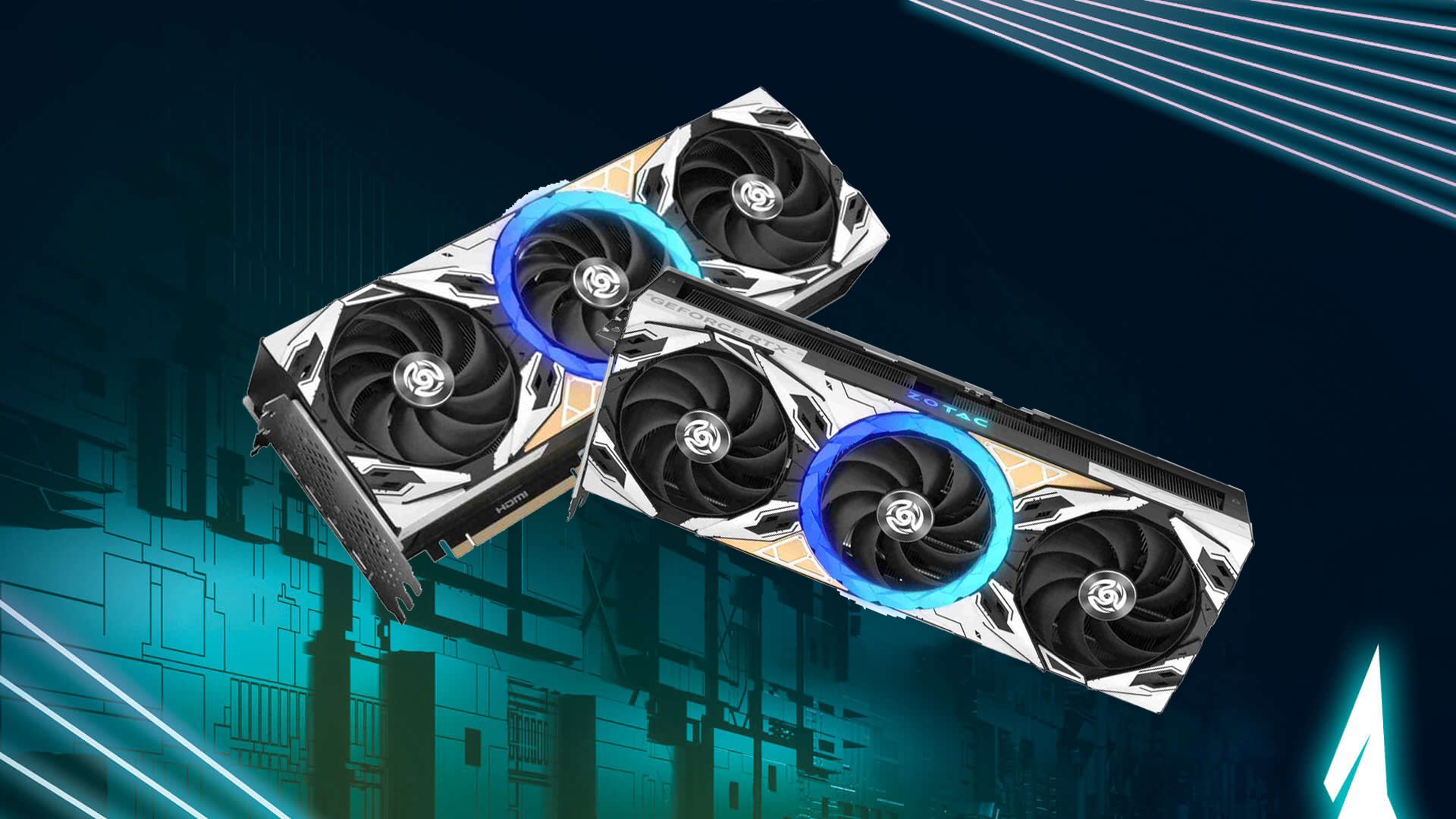
ZOTAC has reportedly raised prices on several GeForce RTX 50 series graphics cards in China, with the RTX 5090D V2 seeing the sharpest jump. The move appears to be linked to rising VRAM costs and could signal more price increases from other board partners if memory prices keep climbing.
The biggest reported increase affects the RTX 5090D V2, which has gone up by 2,000 yuan, or roughly $295. Other RTX 50 cards are seeing smaller increases, but the timing is still frustrating for buyers because GPU prices are already high across many markets.
This is not only a ZOTAC issue. Graphics cards depend heavily on VRAM, and memory prices have been under pressure because AI servers, data centers, and high performance systems are consuming more DRAM and related components. If board partners are paying more for memory, retail GPU prices may continue to rise.
RTX 5090D V2 sees the biggest price increase
The RTX 5090D V2 is the most affected model in ZOTAC’s reported June pricing update. This China specific card is already a reduced version of the RTX 5090, yet it launched at a very high price and has appeared in some listings far above its official price range.
A nearly $300 increase makes the card even harder to justify for many buyers, especially when high end GPUs are already out of reach for most gamers and creators.
| GPU model | Reported price change |
|---|---|
| RTX 5090D V2 | Up by 2,000 yuan, around $295 |
| RTX 5080 | Entry level models up by 100 yuan, around $14 |
| RTX 5070 series | General increase of around 100 yuan |
| RTX 5060 Ti 8GB | Up by 50 yuan, around $7 |
| RTX 5060 series | Up by 50 yuan |
| Other models | Reportedly unchanged |
The smaller increases on lower tier cards may not look dramatic, but even a small rise matters in a market where buyers are already waiting for prices to fall.
VRAM prices are becoming a bigger problem for GPUs
The main pressure appears to come from memory costs. Modern graphics cards need fast VRAM, and higher end models need more of it. When memory prices rise, board partners have limited room to absorb the cost.
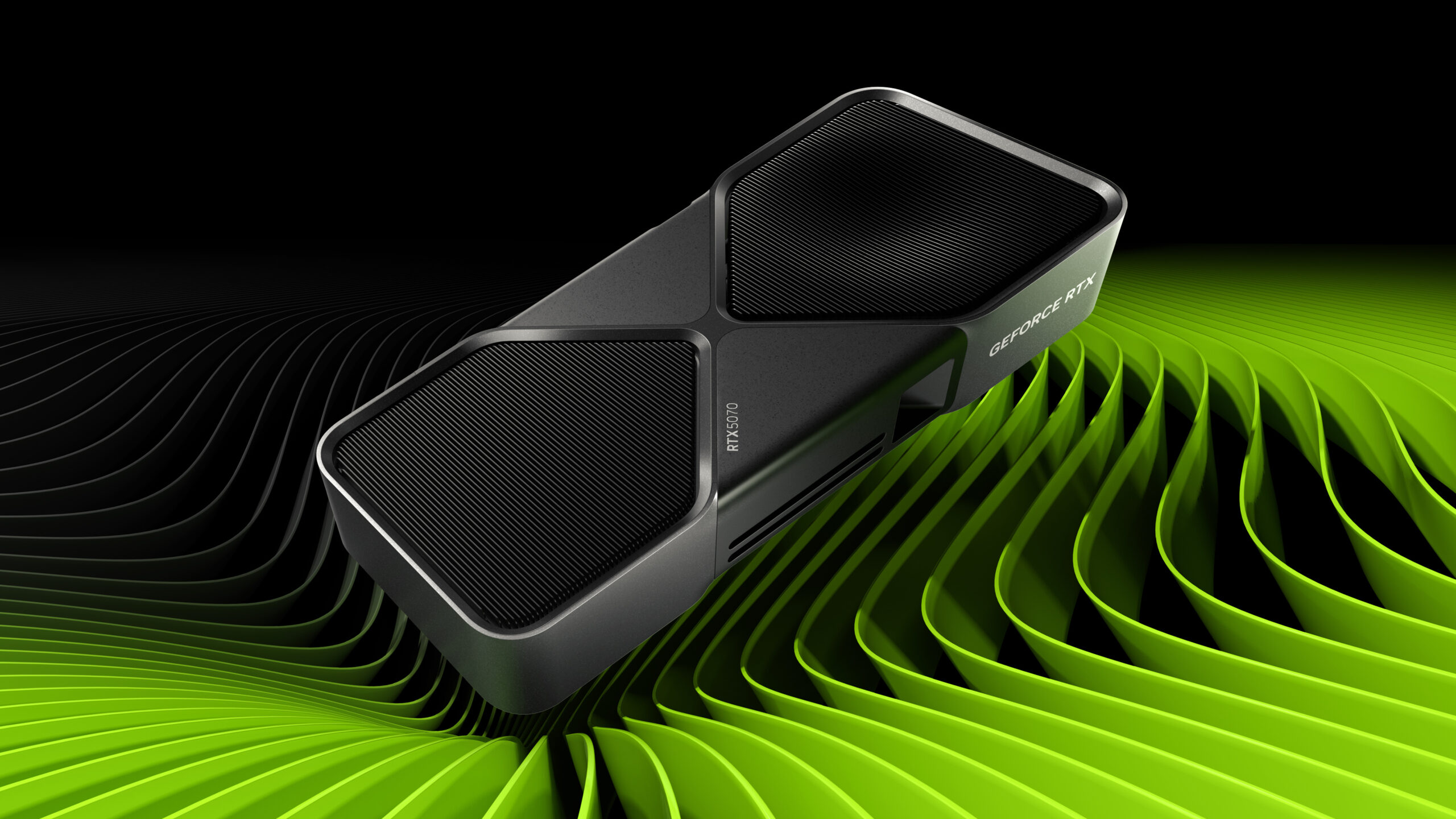
AI demand is one of the biggest reasons behind the pressure. Data centers are buying huge volumes of memory for GPUs, servers, and AI accelerators. That demand affects the same broad supply chain that consumer graphics cards depend on.
This means GPU makers are dealing with a market where memory is more expensive, supply is tighter, and pricing is harder to predict. If those conditions continue, other AIBs may follow ZOTAC with similar adjustments.
The Chinese market may be the first to feel the impact
The reported ZOTAC price changes appear to apply to the Chinese market first. That makes sense because the RTX 5090D V2 is a China focused product. However, the cause of the price hike is not limited to China.
VRAM cost increases can affect global pricing because board partners source components across the same memory supply chain. Even if every region does not see the exact same jump, similar pressure can show up through weaker discounts, higher launch prices, or more expensive custom models.
This is especially important for buyers waiting for RTX 50 prices to stabilize. If the memory market remains tight, prices may not fall as quickly as expected.
Lower end RTX 50 cards are not fully safe either
The RTX 5060 and RTX 5070 series are seeing smaller reported increases, but they are not protected from the same trend. Lower end cards use less VRAM than flagship models, yet they are still exposed to memory cost changes.
For budget and mid range buyers, even small increases can matter. A $7 to $15 change may not sound large, but retail prices often move in wider steps once distributors, retailers, and local taxes are involved.
The RTX 5050 is reportedly unaffected for now, but that could change if memory prices continue rising.
GPU buyers may face another difficult pricing cycle
This latest ZOTAC adjustment comes at a bad time for the GPU market. Demand is already weaker in some PC segments because components have become expensive. At the same time, GPU makers are facing higher production costs, and AI hardware demand is pulling memory supply toward higher margin markets.
That creates an uncomfortable situation for gamers. Prices rise, demand slows, and yet discounts may still remain limited because supply costs are not improving.
For anyone planning a GPU upgrade, the safest approach is to watch actual retail prices rather than assume official pricing will hold. Entry level and mid range cards may still see deals from time to time, but high end cards with large VRAM pools are likely to remain vulnerable to price jumps.
ZOTAC’s reported RTX 50 price hike is another sign that the GPU market is being shaped by the memory shortage as much as by graphics chip supply. Unless VRAM pricing cools down, more board partners could raise prices, and buyers may have to wait longer for meaningful GPU affordability to return.



Discussion (0)
Be the first to comment.