



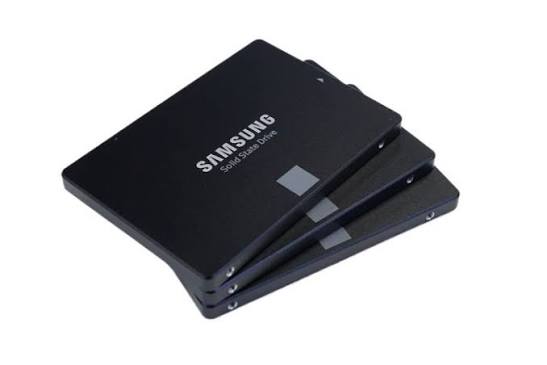
Samsung is facing criticism after YouTuber Louis Rossmann said the company offered a $330 refund for a faulty 4TB 990 Pro SSD that now reportedly sells for much more in the current market. The dispute centers on whether Samsung should replace the drive or refund its current market value instead of the original purchase price.
Rossmann said his 4TB Samsung 990 Pro SSD began showing errors and failed his own testing. He then started an RMA process, expecting a repair or replacement under warranty. According to the details shared, Samsung asked for images and other product information, but later returned the SSD after saying it worked normally.
Rossmann argued that the drive was still faulty and that he could reproduce the same issues after receiving it back. After limited progress through support, he warned Samsung that he would take legal action if the company did not resolve the case.
Samsung offered a refund instead of a replacement
Samsung eventually offered Rossmann a refund of $330, which was the amount he originally paid for the SSD. The problem is that the same 4TB 990 Pro model was reportedly selling for around $949 at the time of the dispute.
That price gap is the center of the issue. Rossmann’s argument is that a refund based on the old purchase price does not make him whole if the company cannot replace the faulty drive. If he accepts $330, he may not be able to buy the same model again without paying hundreds more out of pocket.
| Detail | What happened |
|---|---|
| Product | Samsung 990 Pro 4TB SSD |
| Reported issue | Drive errors and suspected corruption |
| Warranty request | Repair or replacement |
| Samsung response | Drive reportedly returned as working normally |
| Later offer | $330 refund |
| Dispute | Current market price is much higher |
| Main concern | Whether refund should reflect current market value |
Samsung later clarified that customers in this type of situation receive a refund based on the device’s current market value as determined by the current sale price on Samsung’s US website. The company said this policy applies across its product portfolio and is shared once the refund process begins.
The case highlights a bigger problem with hardware warranties
Warranty disputes become more complicated when prices rise sharply. In a normal market, refunding the original purchase price may not feel unfair because the customer can often buy the same product again at a similar or lower price.
That logic breaks down when supply shortages push prices far higher. If an SSD costs $330 at purchase but nearly $950 during the warranty claim, a refund at the original price may not replace the product in any practical sense.
This is why customers often prefer replacement over refund. A replacement restores the product they bought, while a low refund can leave them short.
Samsung cited memory shortages as a factor
Samsung reportedly told Rossmann that it could not replace the SSD because of a major shortage of memory products across the market. That explanation fits the broader industry situation, where SSDs, DRAM, NAND, and other memory products have faced rising prices and limited availability.
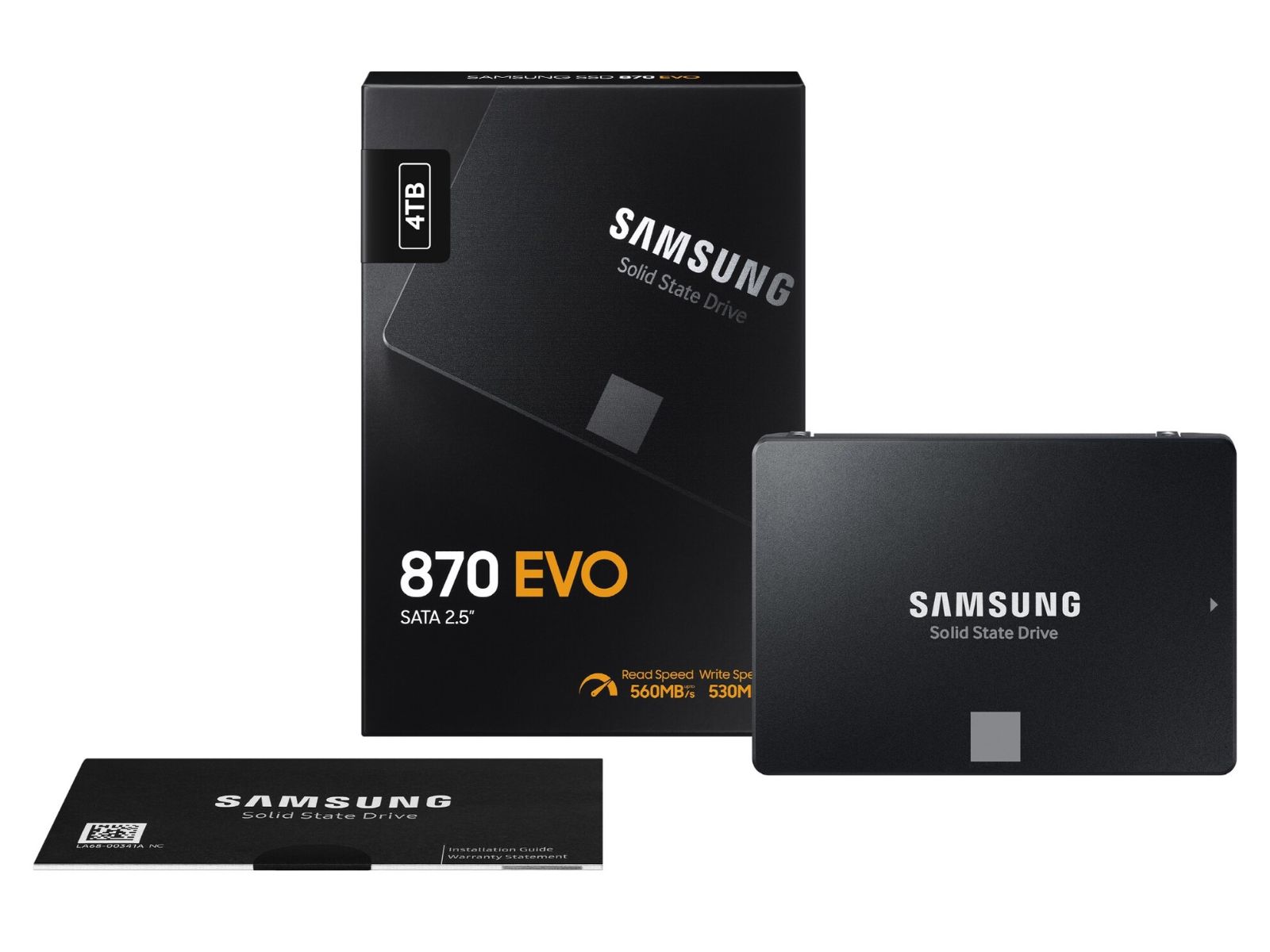
Still, Rossmann questioned that reasoning because the same SSD appeared to be available through major retailers at a much higher price. His criticism is that if the product can be bought at retail, customers may expect the manufacturer to replace a faulty unit rather than offer a refund that does not match replacement cost.
This is where the dispute becomes about trust, not just one SSD. When a company says a replacement is unavailable while the product is still visible in the market, customers may feel the warranty process is protecting margins instead of honoring support obligations.
The current market makes SSD warranty claims more sensitive
The SSD market has changed quickly because of memory shortages and higher NAND prices. Large capacity drives that were once heavily discounted are now becoming more expensive, especially premium models with 4TB capacity.
That creates tension between warranty policy and real world replacement cost. A refund that looked fair six months ago may no longer be enough today.
For customers, the case is a reminder to keep purchase receipts, document drive errors clearly, save test logs, and read warranty terms carefully. For companies, it shows why support decisions can turn into public disputes when replacement prices rise sharply.
Samsung needs clearer warranty handling for shortage driven markets
This case may not affect every Samsung SSD owner, but it shows how quickly a routine RMA can become controversial. A customer with a faulty premium SSD expects either a working replacement or a refund that reflects what the drive is worth during the claim.
Samsung’s clarification suggests that its policy is based on current market value, but the dispute shows that communication and execution matter just as much as written terms. If customers receive offers that appear far below replacement cost, frustration is likely.
The broader issue is simple. Hardware shortages are making warranties harder to manage. When products become more expensive after purchase, companies need to be transparent about how refunds are calculated and why replacements are unavailable.
For now, the Samsung 990 Pro case has become another example of how rising memory prices are affecting more than retail shelves. They are also changing how customers judge warranty support, fairness, and brand trust.



Discussion (0)
Be the first to comment.