



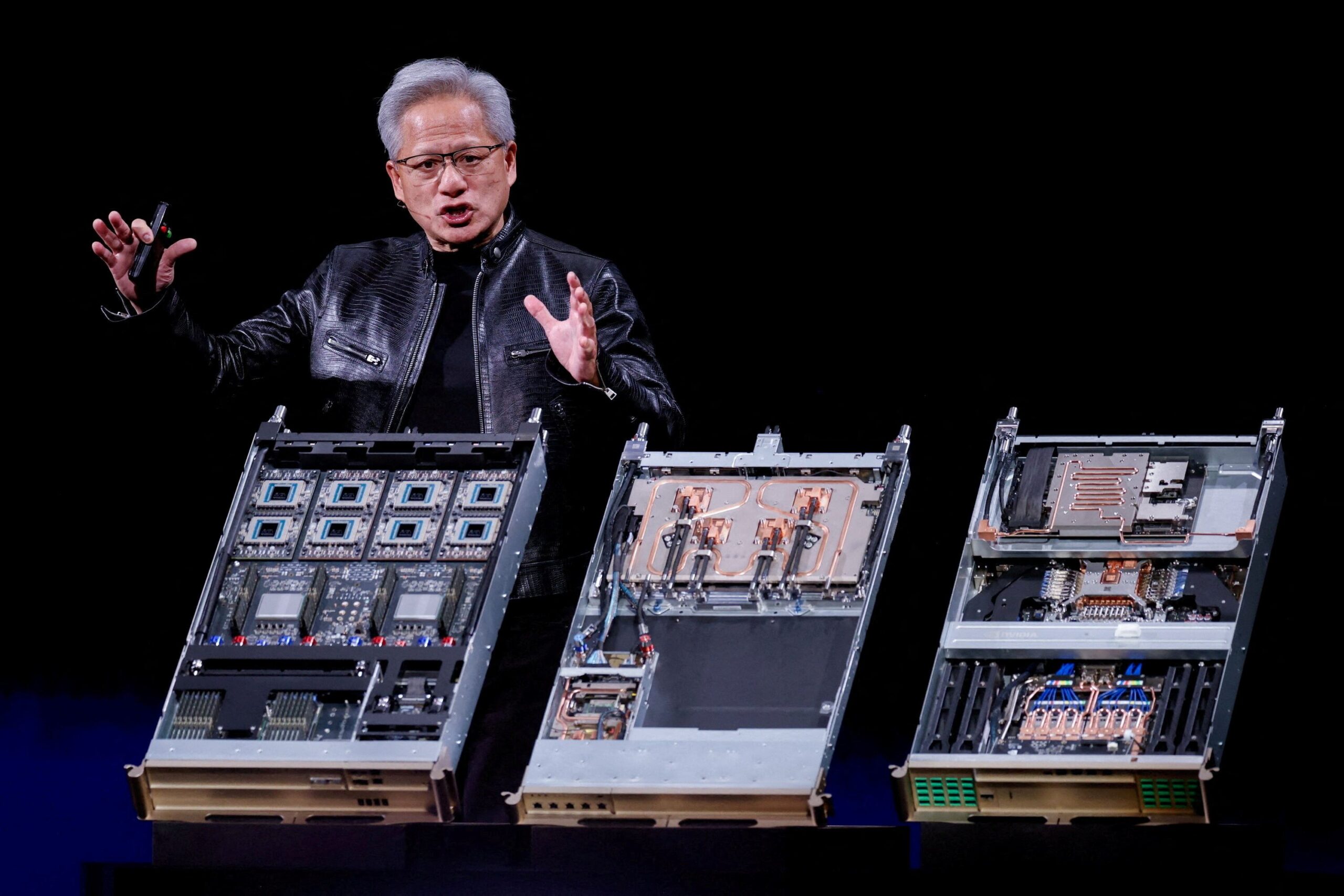
Nvidia is reportedly trying to turn its upcoming Vera CPUs into a new route for China data center revenue as GPU restrictions continue to limit its business in the country. The company has been speaking with potential Chinese customers about Vera availability, with orders possibly opening ahead of an August launch window.
The move is important because Nvidia’s AI GPU business in China has been heavily restricted by US export rules. Hopper chips were previously limited, Blackwell remains blocked, and China has also been pushing domestic companies away from Nvidia GPUs in some data center and AI factory deployments. That has left Nvidia looking for another product category that can still fit within the rules while serving AI infrastructure demand.
Vera gives Nvidia a different angle. Instead of selling restricted GPUs, the company can pitch high performance Arm based CPUs designed for AI data centers, especially agentic AI workloads where CPU performance, memory capacity, and system level connectivity matter more than before.
Vera CPUs could give Nvidia a new way back into China’s AI market
Nvidia’s Vera CPU is part of the company’s broader AI infrastructure strategy. It is designed for large data center systems and can be deployed in standalone Vera MGX racks. These racks can include up to 256 Vera CPUs connected with fast NVLink I/O.
Each Vera CPU reportedly includes 88 Arm cores, large cache capacity, PCIe Gen 6, CXL 3.1 support, and compatibility with high capacity LPDDR5X SOCAMM2 memory. Nvidia is positioning the chip for AI workloads where CPUs handle orchestration, memory movement, data preparation, and agentic AI logic around accelerators.
| Feature | Nvidia Vera CPU platform |
|---|---|
| CPU cores | 88 Arm cores per chip |
| Platform focus | AI data centers and agentic AI |
| Rack scale | Up to 256 Vera CPUs |
| Memory support | Up to 1.5TB LPDDR5X SOCAMM2 per CPU |
| Rack memory scale | Up to 400TB unified memory |
| I/O support | PCIe Gen 6 and CXL 3.1 |
| Cooling options | Air and liquid cooled designs |
| Estimated CPU price | Above $20,000 |
| Estimated rack price | Around $10 million |
For Chinese cloud and AI companies, Vera could offer access to Nvidia’s data center ecosystem without directly depending on restricted AI GPUs.
Chinese cloud customers are reportedly interested
Several Chinese companies are said to be interested in Vera. One major cloud company is reportedly considering an order for more than 300 servers, each using two Vera CPUs. The plan would start with a test unit before moving to a larger order.
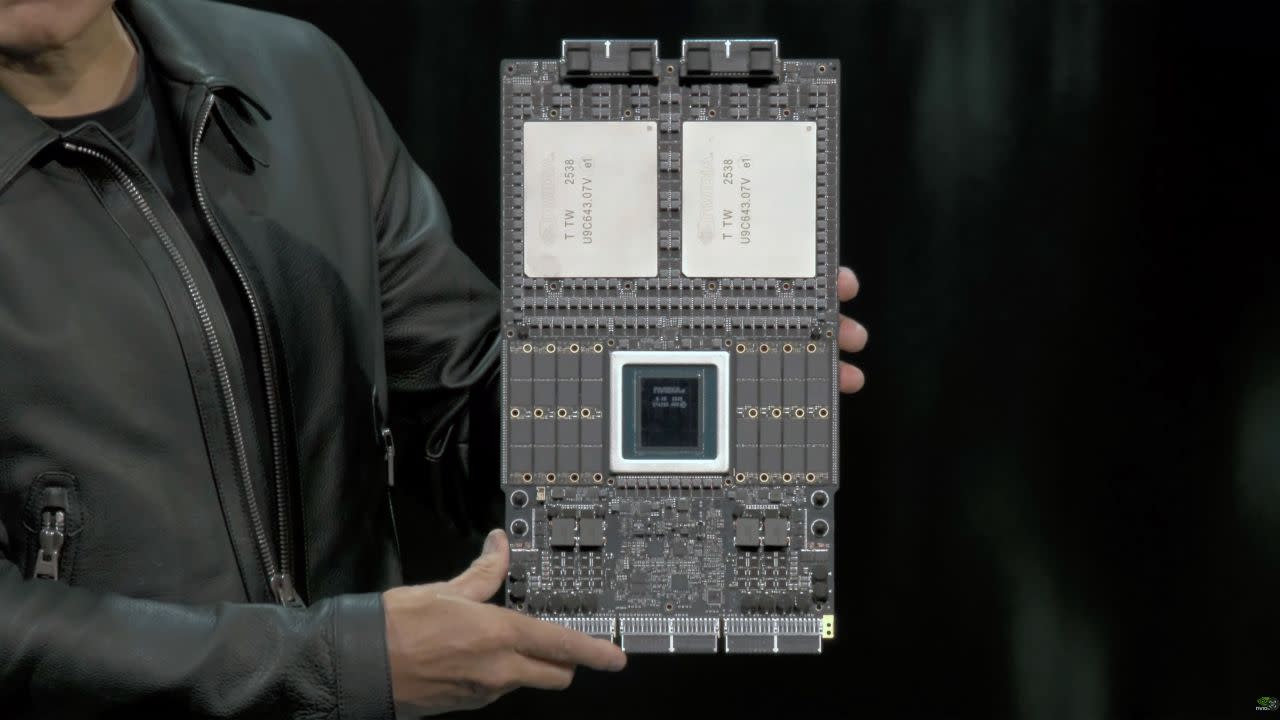
That makes sense for companies that want to evaluate whether Vera can replace or supplement x86 systems in AI data centers. Even if Nvidia cannot sell its most powerful GPUs freely in China, a strong CPU platform could still help cloud providers build AI infrastructure around data movement, inference management, and agentic workloads.
The timing also matters. Nvidia is expected to make Vera available in August, and the company is reportedly already telling customers that they can begin placing orders.
Nvidia is moving into a CPU fight with AMD and Intel
Vera puts Nvidia more directly against AMD EPYC and Intel Xeon, two families that already dominate server CPU deployments. AMD and Intel are both preparing their own responses as AI data centers place more value on CPUs again.
For years, the AI infrastructure story has been mostly about GPUs. But as AI systems become more complex, CPUs are gaining new importance. They handle scheduling, networking, memory coordination, model serving, data pipelines, and the control logic behind AI agents.
Nvidia wants to own more of that stack. If it can sell CPUs, networking, rack systems, software, and accelerators together, it becomes harder for customers to build AI infrastructure around rivals.
China restrictions are reshaping Nvidia’s product strategy
Nvidia’s China problem is not only about lost GPU sales. It is about keeping a place in one of the world’s largest AI markets while regulations and local policy pressure reduce its options.
Selling Vera CPUs could help Nvidia preserve relationships with Chinese cloud companies, even if GPU demand shifts toward domestic accelerators or other suppliers. It also gives Nvidia a way to compete in infrastructure areas that may not face the same level of restriction as top tier AI GPUs.
Still, this strategy is not guaranteed. Chinese customers may test Vera, but they will compare it against AMD, Intel, local Arm server chips, and custom silicon projects. Price will also matter. A CPU above $20,000 and a rack near $10 million will need strong performance and efficiency to justify its cost.
Vera could mark Nvidia’s next major data center push
Nvidia has already said it expects to become a major CPU supplier, and Vera is central to that plan. If the company can secure large orders from China, the US, and other global cloud providers, it could turn CPUs into a serious new revenue line.
The larger trend is clear. AI infrastructure is no longer only about GPUs. The next phase will depend on full rack scale systems, memory capacity, networking, CPUs, accelerators, and software working together.
For Nvidia, Vera is both a product and a strategic escape route. It gives the company another way to sell into China, another way to compete with AMD and Intel, and another piece of the AI data center stack. If customers respond well, Vera could become one of Nvidia’s most important launches beyond GPUs.



Discussion (0)
Be the first to comment.