



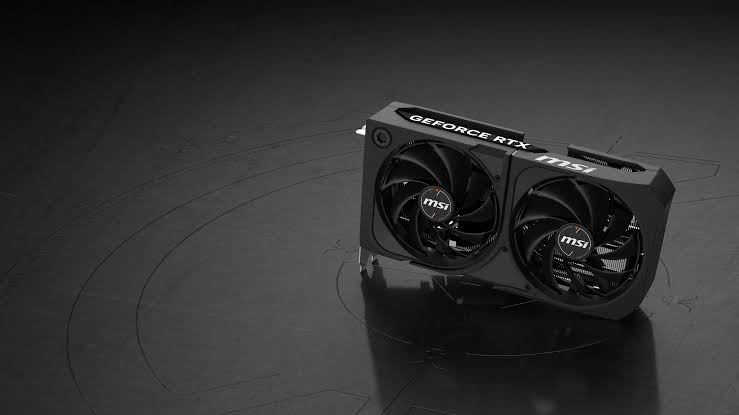
MSI says memory and GPU shortages are still hurting the PC market, and the pressure may continue into 2026. The company’s chairman, Hsu Hsiang, warned that rising memory prices and reduced graphics chip supply are making it harder for vendors to plan products, price systems, and keep the DIY PC market healthy.
The one area that may improve sooner is CPU supply. MSI expects processor availability from AMD and Intel to get better in the coming quarters, with Intel supply improving around the third quarter and AMD also raising priority for PC chips after earlier pressure from server demand.
The broader picture is still difficult for PC buyers. Memory, GPUs, storage, and other components have all been affected by AI demand, limited supply, and higher prices. That has made gaming laptops, desktops, DIY PC builds, and graphics cards more expensive than many buyers expected.
Memory shortages are creating the biggest planning problem
MSI says memory prices for gaming laptops and desktop PCs rose sharply during the first quarter. The company also says visibility into future memory supply is very limited, with suppliers only giving about one month of information at a time.
That makes planning difficult. If an OEM does not know how much memory it can buy next month or what the price will be, it becomes harder to lock down laptop, desktop, and component pricing.
| Area affected | Current situation |
|---|---|
| Memory | Prices rising, low supply visibility |
| GPUs | Supply reduced due to memory shortages |
| DIY PC market | Down around 20 percent for MSI |
| Overall PC market | Down around 10 to 20 percent |
| CPUs | Expected to improve by Q3 |
| Consumer demand | Slower due to higher prices |
| Commercial orders | Harder to quote because of unstable component pricing |
The problem is not only higher prices. It is also uncertainty. Vendors need predictable supply to plan production, but memory makers are giving short windows and changing availability frequently.
GPU supply is being squeezed by memory availability
MSI says the graphics segment saw around a 30 percent reduction in chip supply because memory shortages limited what GPU vendors could provide. Graphics cards need memory alongside the GPU itself, and if board partners cannot get enough VRAM, finished cards cannot ship in normal volumes.
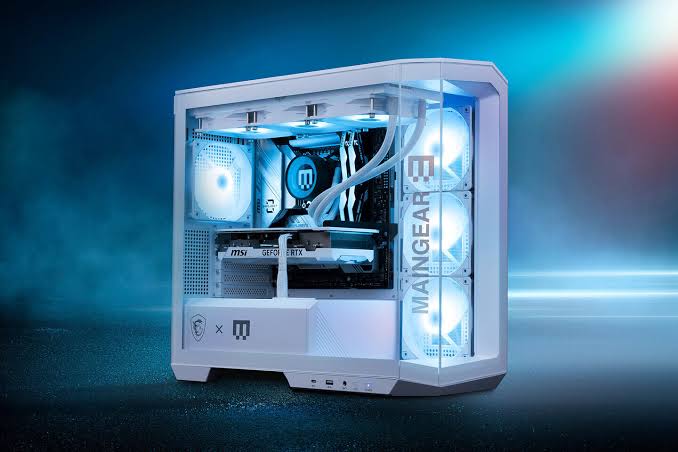
The report also claims Nvidia’s RTX 50 supply has seen sharper cuts in the current quarter. Whether every market sees the same impact or not, the direction is clear: limited memory supply is now directly affecting GPU availability.
That means graphics card prices may remain under pressure. Even if GPU demand softens in some areas, a shortage of memory can still keep board supply tight.
CPU supply may recover faster than memory and GPUs
The better news is on CPUs. MSI expects processor supply to improve in the second and third quarters. AMD has been prioritizing server chips because data center and AI demand have been strong, but the company is reportedly raising the priority of PC CPU supply again.
Intel is also expected to improve shipments in the third quarter. That timing matters because the PC market usually sees stronger demand in the third and fourth quarters, especially around back to school, holiday sales, and new laptop launches.
If CPU supply improves while memory and GPU supply remain tight, PC makers may still face uneven pricing. A laptop or desktop can only become cheaper if all major components are available at reasonable prices.
Higher component prices are slowing the PC market
MSI says its DIY segment is down around 20 percent, while the broader PC market is down around 10 to 20 percent. That decline makes sense in a market where buyers are seeing higher prices and fewer clear deals.
For DIY builders, memory and GPU prices are especially important. Those two components can determine whether a PC build feels affordable or not. If both remain expensive, many buyers may delay upgrades or choose cheaper configurations.
For laptop buyers, the effect may show up as higher starting prices, weaker discounts, or less attractive specs in entry level gaming models.
AI demand is changing the PC supply chain
The biggest reason this situation feels different from past shortages is AI demand. AI servers need memory, GPUs, storage, advanced chips, and power efficient platforms. That demand competes with consumer PCs for supply and pushes manufacturers to prioritize higher margin markets.
For PC buyers, the result is a market where hardware availability can improve in one area while worsening in another. CPU supply may recover, but memory and GPU pricing could remain painful.
MSI’s warning suggests the PC market may not see a quick return to normal pricing. If memory shortages continue into 2026 and GPU supply remains tied to VRAM availability, buyers may need to be more careful about timing upgrades.
The practical takeaway is simple. CPUs may become easier to find later this year, but full PC affordability depends on memory and GPU supply improving too. Until that happens, gaming desktops, laptops, graphics cards, and DIY builds could remain more expensive than expected.



Discussion (0)
Be the first to comment.