



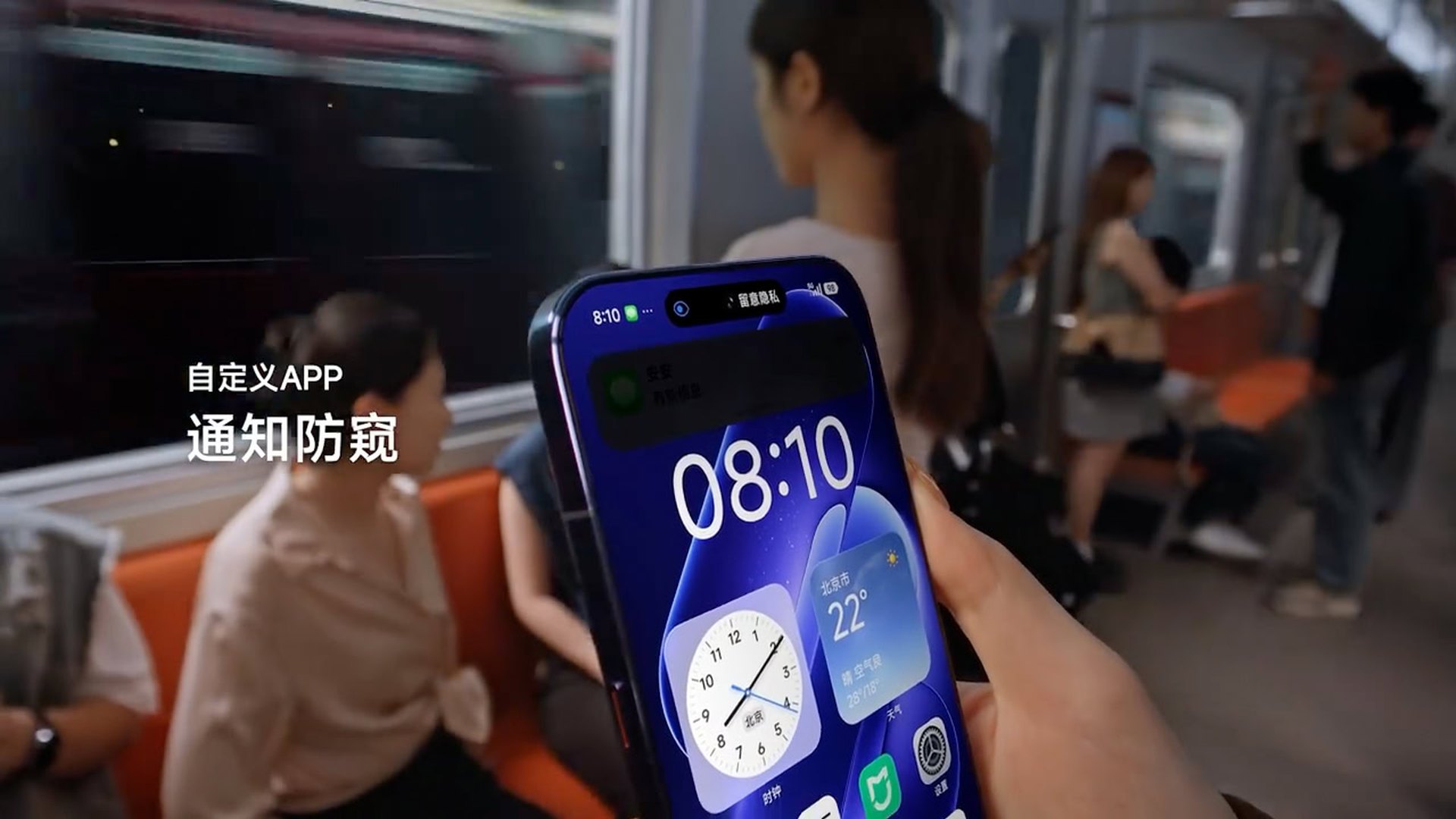
A claim that the Xiaomi 18 Pro has a dimmer screen than last year’s Xiaomi 17 Ultra has been circulating since September 25, 2026. Xiaomi’s own published brightness figures point the other way.
Xiaomi describes the 17 Ultra with a 3,500-nit multi-scenario peak. The figure attached to the 18 Pro is 4,000 nits, which is higher, not lower.
What Xiaomi’s own numbers say
The older phone is the easy half to check. Xiaomi’s global spec page for the 17 Ultra lists “3500 nits multi-scenario peak brightness” for the panel it launched with in the 17 Ultra flagship announcement.
Xiaomi’s global support FAQ for the same phone publishes three further numbers. High Brightness Mode is rated at 2,000 nits, and the manual slider at 800 nits indoors and 1,060 nits outdoors.
So Xiaomi itself gives four brightness values for one screen. Each is tied to a named condition.
The 18 Pro’s number comes from Xiaomi’s pre-launch announcement of what it calls Super Pixel Screen 2.0. The wording reported from that announcement is “4000 nits ultra-high peak brightness”, with no condition attached to it.
Where the dimmer-display claim actually comes from
The claim did not begin with a measurement. It began with a public post from a well-known leaker on September 25, 2026.
The post placed the 18 Pro and the 17 Ultra side by side in a photo. The leaker reported “noticeably worse brightness, visibility, and image quality from different viewing angles” on the newer phone.
That wording matters. The reported problem is off-axis viewing, not a straight-on peak-brightness reading.
The post carries no nit values, no lux readings and no stated method. The leaker also reported that the gap shows with Privacy Mode switched off, and called it an “undeniable display downgrade”.
That is one person’s visual impression from a side-by-side look. It has been reported, not measured, and Xiaomi has not commented on it in anything found.
Why a nit figure means little without its test condition
Peak brightness ratings compare only when the test conditions match. Xiaomi ties the 17 Ultra’s 3,500 nits to “multiple scenarios”, while nothing attaches any qualifier to the 18 Pro’s 4,000 nits.
The two figures therefore cannot be set against each other on Xiaomi’s own terms. 4,000 over 3,500 does not establish that the screen got brighter, and the photos do not establish that it got dimmer.
There is a perception point as well. Outdoor legibility on phone screens is generally settled well below 1,600 nits, so a few hundred nits of difference in a brief peak reading is a separate matter from what the post describes.
What Xiaomi says its privacy display does
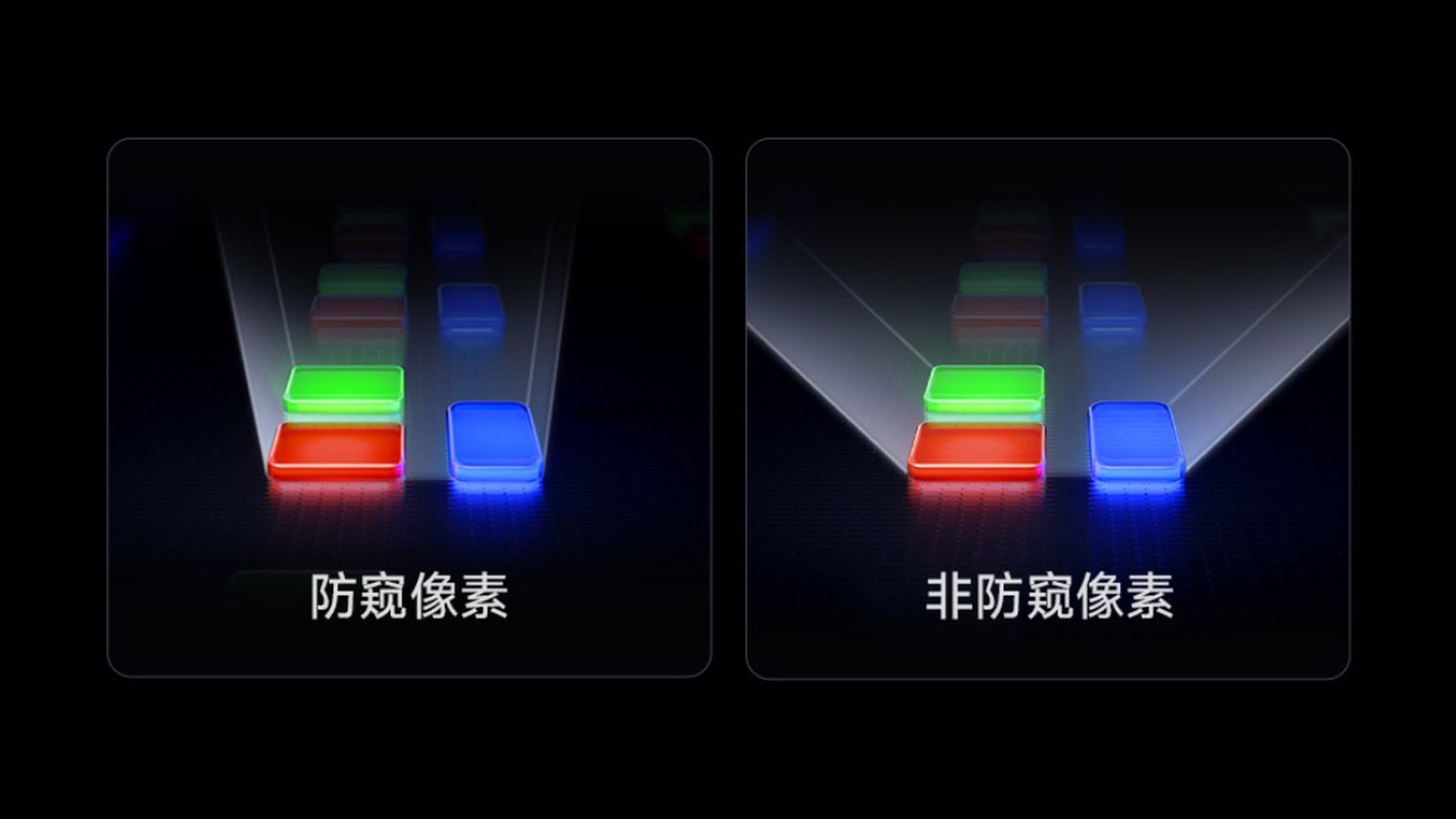
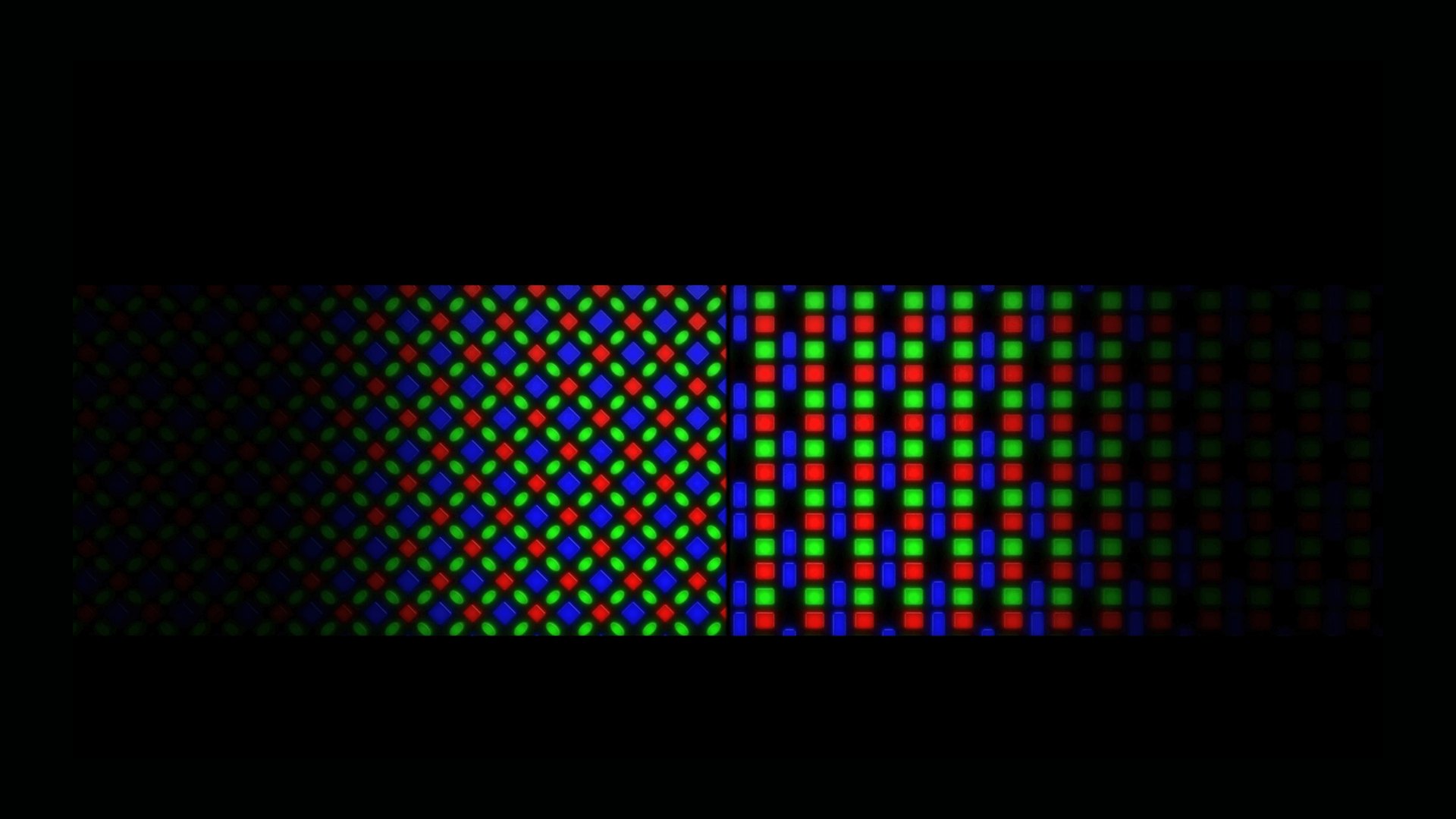
Xiaomi’s material on the feature, as reported from its own posts, describes standard and baffled sub-pixels alternating in a 1:1 pattern. Off-axis brightness is said to drop to roughly 1 percent beyond a 60-degree viewing angle.
That dimming is described as Privacy Mode doing its job, with the feature switched on. The claim in circulation concerns the mode being switched off.
Nothing in Xiaomi-attributed material acknowledges any penalty with the mode off. Hardware privacy screens are not new outside phones either.
The better privacy screen on the Surface Laptop 8 arrived earlier this year. Microsoft also added one across its Surface for Business lineup.
What is still unconfirmed
The limits of this check are worth stating plainly. Xiaomi has no readable spec page for the 18 Pro at all.
Its global spec URL returns a not-found error. Its China product pages load their spec content after the page itself, so a direct read of them returns no brightness figure.
The 4,000-nit line could only be confirmed through quotation of Xiaomi’s announcement, rather than a page that could be read directly. No instrument measurement of either phone has been published, and Xiaomi has not publicly responded to the claim, as checked on September 26, 2026.

Discussion (0)
Be the first to comment.