



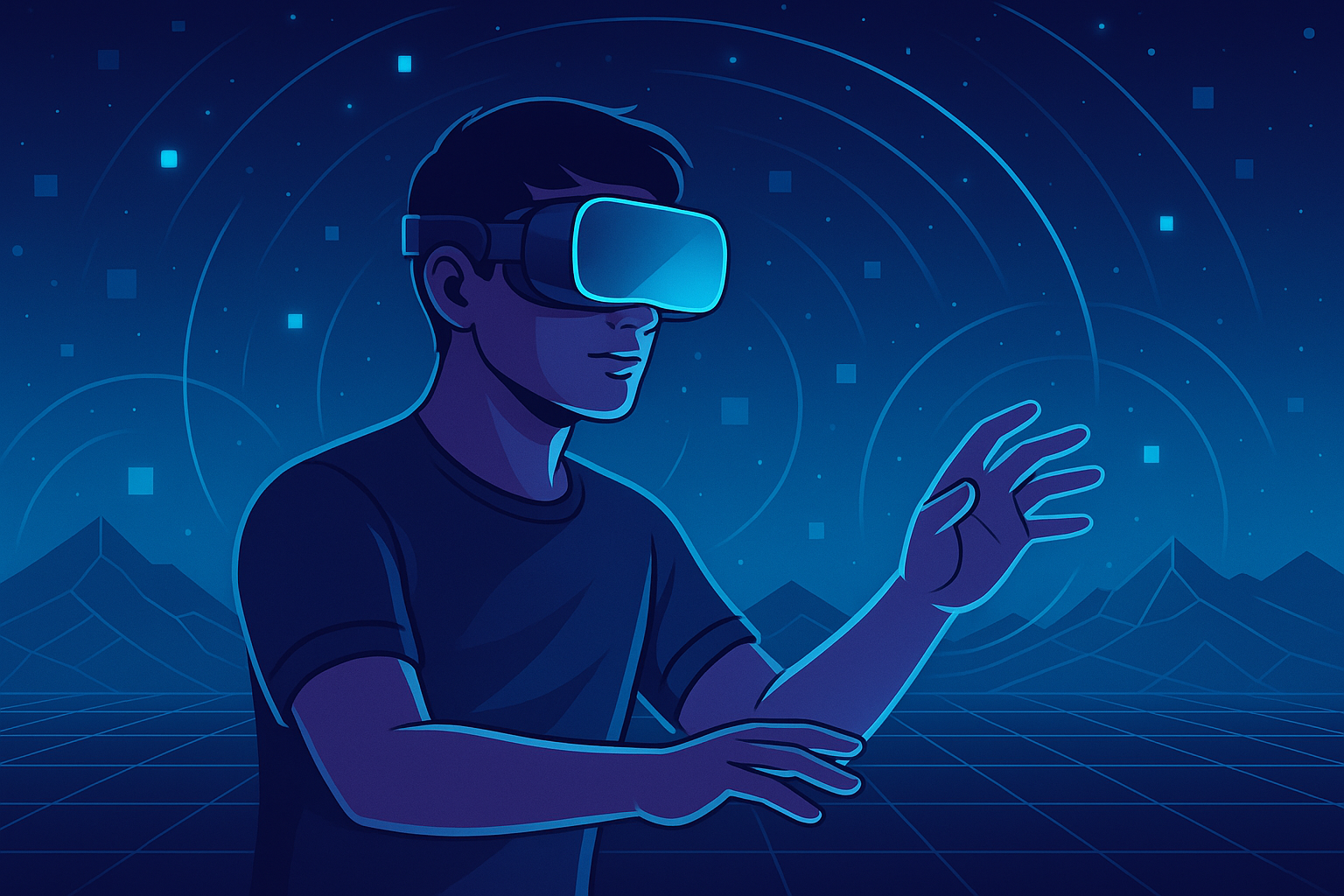
Full-dive virtual reality describes the moment when a user no longer sees, hears, or feels the physical world and instead experiences a complete digital environment through direct neural input. Today’s VR headsets create immersion through screens and controllers, but they cannot override senses or intercept neural commands.
Understanding the gap between today’s technology and full-dive systems helps set expectations for when this future could arrive.
1) What full-dive VR actually means
Full-dive virtual reality replaces all sensory input with digital signals and routes your motor commands into a virtual world. You no longer rely on displays or controllers. Instead, your brain communicates directly with a simulation.
This requires safe, accurate, and reversible interaction with neural pathways. Every sense must be reconstructed digitally for the experience to feel natural.

Key components of full-dive VR
Full-dive VR needs visual and auditory replacement that matches real-world clarity. It also needs haptic and proprioceptive simulation so users can sense position, motion, and touch.
A stable system must block physical motor signals while capturing intent and sending virtual feedback. None of today’s VR systems approach this level of integration.
2) Where we are today
Modern VR delivers high-resolution visuals and responsive tracking, but it still relies on physical hardware. The technology cannot interact with your nervous system or safely simulate sensation.
Neuroscience and BCI research show promise, but most breakthroughs remain experimental. The gap between controlled lab tests and consumer-ready devices remains wide.
Neural interface progress (BCI)
Researchers can decode certain motor-intent signals and restore limited sensation for medical patients. This confirms that neural communication is possible.
However, current BCIs require implants or bulky external equipment. These interfaces cannot yet generate complete sensory replacement or long-term everyday use.
Haptic and sensory simulation
Haptic suits, gloves, and electrical stimulation create partial feedback. These tools help users feel direction, vibration, and pressure.
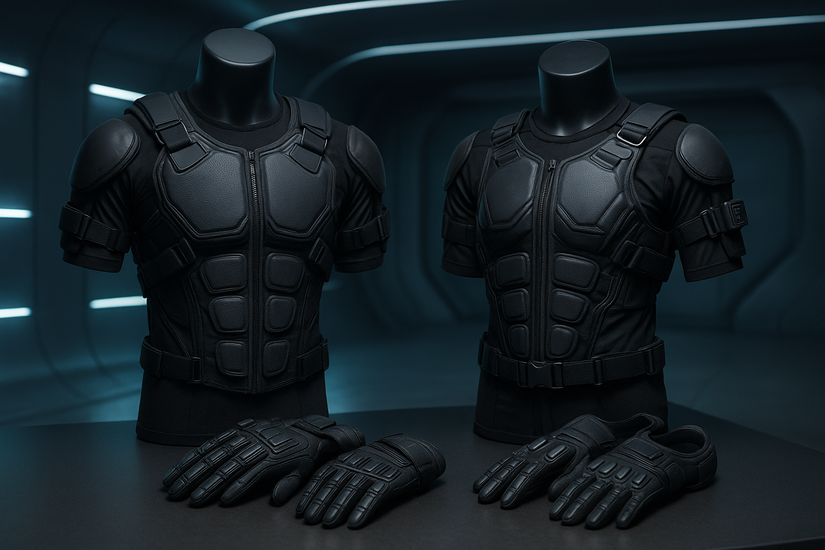
But recreating temperature, motion, balance, or complex textures remains far from solved. Full sensory replacement will require advanced stimulation techniques not yet available.
Computing power and latency limits
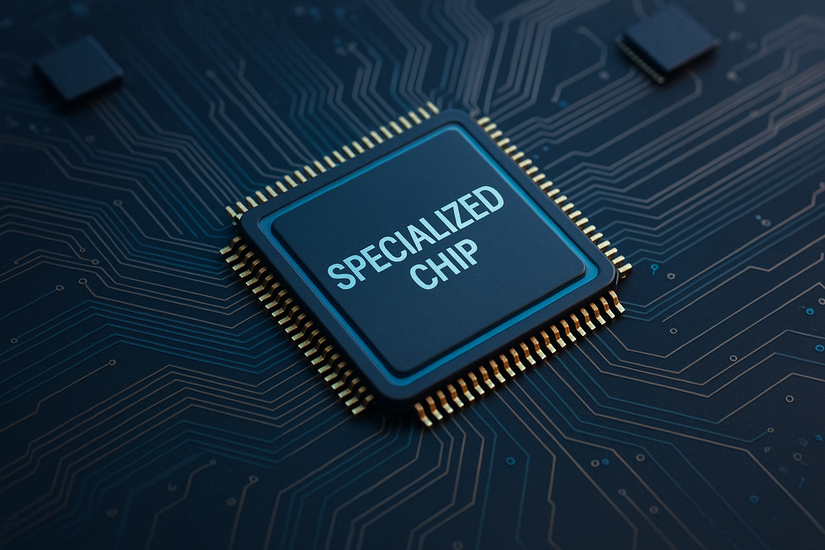
Full-dive VR needs massive processing power to predict intent and deliver real-time signals to the brain. Latency must remain near zero to prevent confusion or physical discomfort.
Today’s hardware cannot meet these demands. Future systems need specialized chips and faster neural-model processing.
3) Scientific and technical barriers
Most obstacles involve neuroscience rather than traditional VR. Full-dive VR must decode and transmit millions of neural signals at once without damaging tissue.
Without safe, reversible stimulation methods, full-dive technology cannot reach the consumer market.
Brain mapping complexity
Scientists have not mapped neural pathways in enough detail to simulate full sensory input. Each user’s brain responds uniquely, making calibration difficult.
Until this understanding improves, reliable sensory overwrite will remain out of reach.
Safety and medical risk
Current implants pose infection risks and require surgical procedures. Long-term stimulation may introduce unknown side effects.
Full-dive VR needs medical-grade safety before widespread use becomes possible.
Ethics and regulation
Neural-data privacy rules do not exist at scale. Governments must create standards for data ownership, consent, and safety.
Without regulation, no company can release a consumer-grade neural immersion system.
4) Realistic timeline predictions
Timelines vary depending on research breakthroughs, commercial investment, and regulation. Early versions may not resemble the full-dive VR seen in fiction.
The most realistic approach places the technology decades away, with partial neural immersion arriving earlier in specialized industries.

Short-term (2025–2035): Partial neural immersion
Expect better haptics, neural-assist devices, and non-invasive stimulation tools. Medical and rehabilitation systems may introduce early versions of neural feedback.
These tools help bridge the gap but cannot deliver complete immersion.
Mid-term (2035–2050): High-fidelity neural interfaces
Breakthroughs in brain mapping and reversible stimulation may appear in controlled environments. Military training, medicine, and enterprise simulation could adopt early full-dive prototypes.
These systems remain expensive and restricted to specialized facilities.
Long-term (2050+): Full-dive consumer VR
The earliest consumer window sits beyond 2050. Full-dive VR requires safer implants, reliable mapping, and global regulation.
Consumer affordability becomes possible only after mass production and long-term safety validation.
5) Use cases that will arrive first
Industries with high budgets and clear benefits will adopt full-dive systems before consumers. Early deployments focus on medical and training applications.
These sectors help refine technology before it reaches entertainment and workplace use.
Medical and rehabilitation
Patients with mobility loss may use neural-linked systems for therapy or prosthetic training. Early BCIs already show this potential.
Advances in this field create the foundation for commercial full-dive systems.
Military and safety-training
High-risk industries need realistic simulations. Early full-dive prototypes may appear here because budgets support advanced development.
These environments allow gradual improvement of neural-feedback accuracy.
Enterprise and consumer entertainment
Consumer entertainment arrives last, once hardware becomes safe, affordable, and regulated. Early experiences may feature partial sensory replacement, not complete immersion.
Future VR platforms may integrate neural feedback to enhance realism.
6) Cost, hardware accessibility, and scalability
Full-dive VR will require surgical implants or advanced non-invasive hardware. Early systems may cost as much as high-end medical devices.
Mass-market adoption requires lower production costs, insurance support, and safe long-term use.
7) What needs to happen before full-dive VR arrives
Several milestones must be reached before full-dive VR can exist outside of research labs. These milestones focus on safety, neural accuracy, and legal frameworks.
Accurate full-brain mapping
Scientists must decode neural signals associated with sensation, motion, and perception. Without accurate mapping, virtual environments cannot feel natural.
Safe and reversible neural stimulation
Technology must stimulate the brain without side effects. Reversible methods must allow removal or shutdown without risk.
Global ethical and data standards
Neural information must remain private and protected. Clear rules for data access, consent, and safety create a safe path for adoption.
FAQs
Will full-dive VR require brain surgery? Early systems may rely on implants, but long-term solutions will likely use non-invasive interfaces. Consumer demand heavily favors non-surgical options.
Could AI accelerate full-dive VR development? AI helps decode neural signals and predict user intent. Faster models could shorten development timelines, but they do not bypass safety and regulatory barriers.
Will full-dive VR ever feel identical to real life? Neuroscience suggests it is possible, but recreating every sense perfectly requires decades of research. Most early systems will feel partial rather than complete.
Is full-dive VR guaranteed to happen in the future? Nothing guarantees it. Full-dive VR depends on breakthroughs that science has not achieved yet, alongside ethical approval and commercial viability.
Summary
- Full-dive VR requires complete neural input and output control.
- Current VR and BCIs remain far from full sensory replacement.
- Major barriers include safety, brain mapping, and regulation.
- Partial neural immersion may arrive in the next decade.
- Full consumer-grade full-dive VR is likely after 2050.
- Medical and training sectors will adopt early versions first.
Conclusion
Full-dive virtual reality remains one of the most ambitious goals in immersive technology. Current progress in neuroscience, haptics, and AI suggests that partial neural immersion will emerge first, followed by prototype full-dive systems in specialized industries. Consumer-ready versions require decades of safety testing, regulation, and cost reduction.
While full-dive VR is technically possible, the timeline extends well beyond today’s VR systems. Users can expect more realistic and responsive experiences in the near term, but true full-dive immersion will arrive only after major scientific breakthroughs reshape how humans interact with technology.


Discussion (0)
Be the first to comment.