



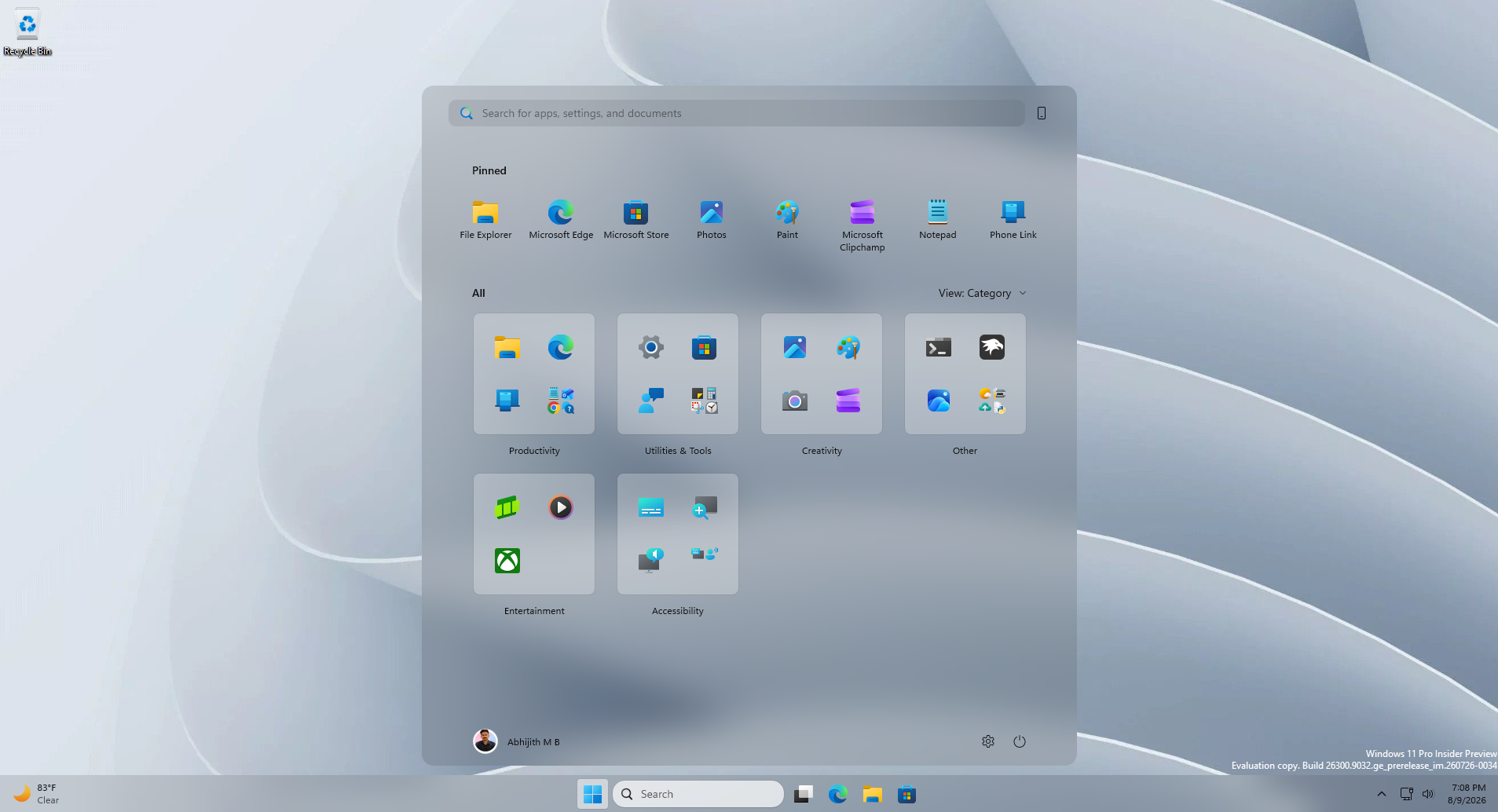
Microsoft does not plan to make immediate changes to Windows 11 transparency controls, despite interest in a more adjustable interface similar to Apple's Liquid Glass design.
The company has not ruled out adding broader transparency customization in the future. However, any such feature would need to meet Microsoft's standards for performance, reliability and usability before it becomes part of Windows itself.
A Microsoft design executive explained that third party projects already provide some of the customization people are asking for. Windhawk was mentioned as one example of a tool that can modify the Windows interface beyond the options built into the operating system.
For now, Microsoft appears comfortable allowing those tools to cover more specialized customization needs while it focuses on changes intended for the wider Windows 11 audience.
Microsoft is keeping the current transparency options
| Area | Current position |
|---|---|
| New transparency slider | No immediate plans |
| Existing Windows 11 transparency controls | Staying unchanged for now |
| Future native customization | Not ruled out |
| Third party alternatives | Already available |
| Main requirement for new features | Reliable experience across Windows PCs |
The response is important because Apple has placed greater emphasis on transparency through its Liquid Glass interface, which gives visual depth and translucency a larger role across the operating system.
Microsoft is taking a more cautious approach.
A transparency control may appear simple from the outside, but visual effects can affect performance, power consumption, readability and accessibility. Windows also has to operate across a much wider range of hardware configurations, from inexpensive laptops to high performance desktops.
That makes it harder to introduce demanding interface effects without considering how they behave on lower specification machines.
Windows 11 has other optimization work underway
Microsoft is already working on broader performance improvements for Windows 11, including efforts to reduce memory usage on PCs with 8 GB of RAM.
That work could be more important for everyday performance than adding another visual customization option.
Recent examples have also highlighted how much memory some built in Windows applications can consume. The Weather app, for example, has been observed using around 1.5 GB of memory in certain conditions. For a machine with only 8 GB of RAM, that amount can represent a meaningful portion of the available system memory.
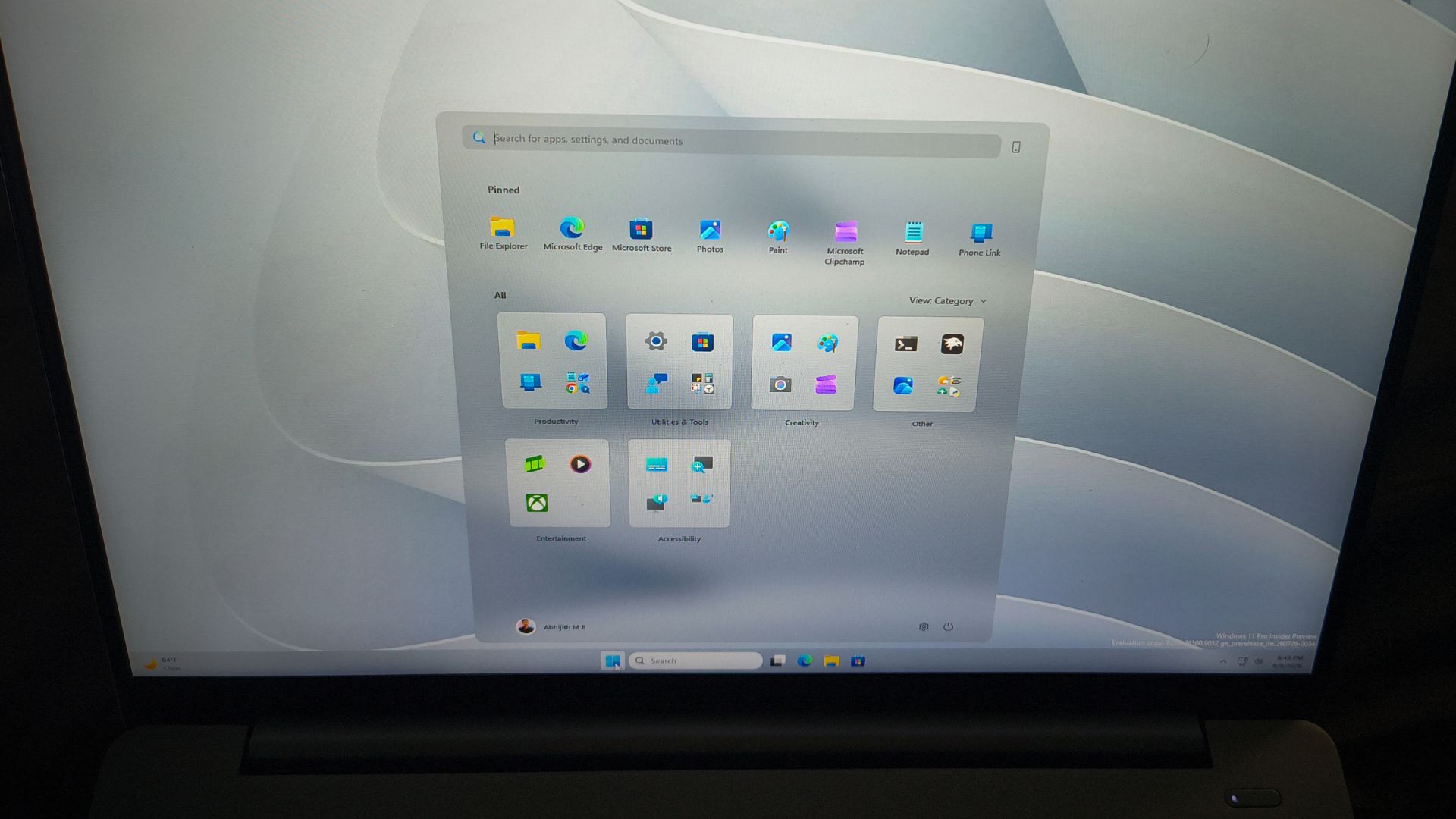
Reducing unnecessary resource consumption across Windows and its applications would help Microsoft support a wider range of PCs before expanding the number of graphical effects available to everyone.
There is also a difference between offering an experimental effect through a third party tool and making it a native Windows feature. Once Microsoft adds something directly to the operating system, it has to support different processors, graphics hardware, display configurations, accessibility settings and power profiles.
That helps explain why the company is not rushing to copy another operating system's interface controls.
Microsoft's current position therefore leaves the door open without making a promise. Windows 11 will keep its existing transparency options for now, while more extensive customization remains available through third party tools.
A native slider could still appear later if Microsoft determines that it can provide the effect consistently without hurting performance or the overall Windows experience.



Discussion (0)
Be the first to comment.