




If you have wondered what a drone car is, it usually refers to a fully autonomous or self-driving car that can navigate roads with little or no human input. Instead of relying on a driver, a drone car uses sensors, software, and artificial intelligence to understand its surroundings and decide how to move. This guide explains the drone car meaning, how the technology works, where you see it today, and what the future might look like.
Drone Car Definition And Basic Idea
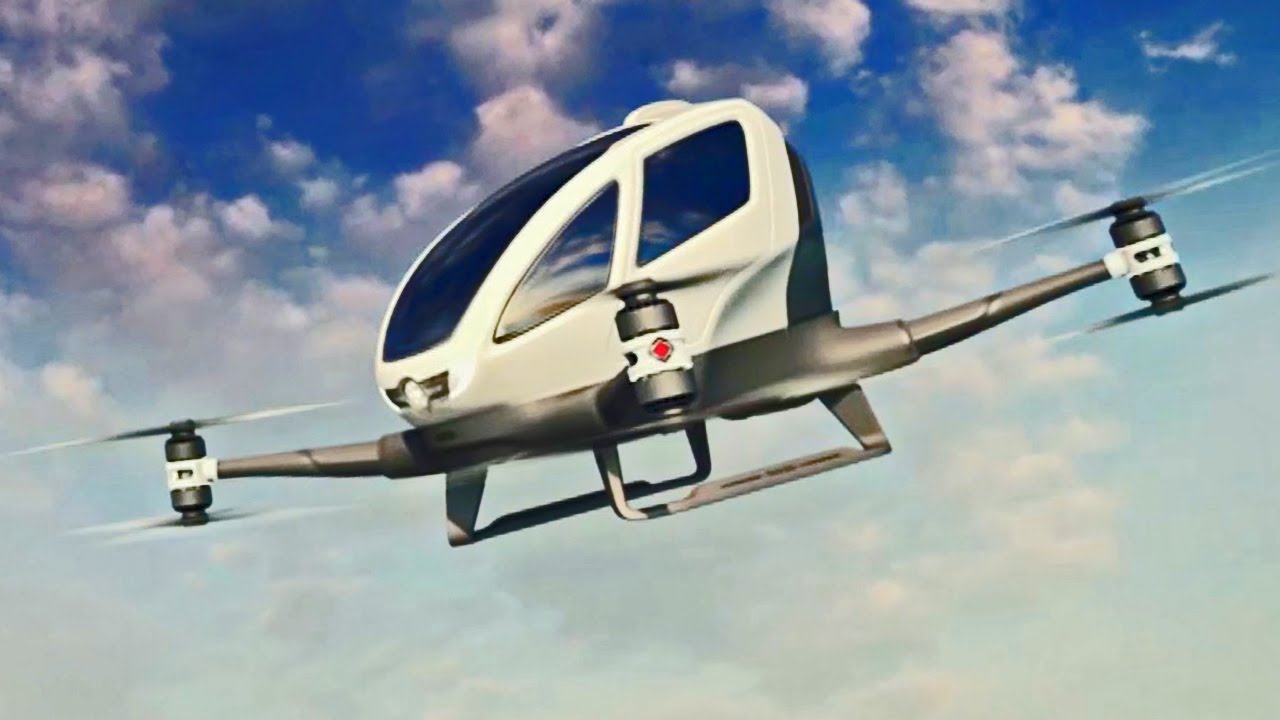
At its core, a drone car is an autonomous vehicle capable of steering, accelerating, and braking on its own. It combines cameras, radar, lidar, GPS, and on-board computers to interpret the road environment. When people ask “what is drone car,” they usually mean a driverless car that can follow routes, obey traffic rules, and react to other road users with minimal human oversight.
Some systems still need a human ready to take over, while others can operate as driverless taxis inside tightly mapped zones. In all cases, the goal is the same: reduce human error, improve safety, and make transportation more efficient.
How Drone Cars Work
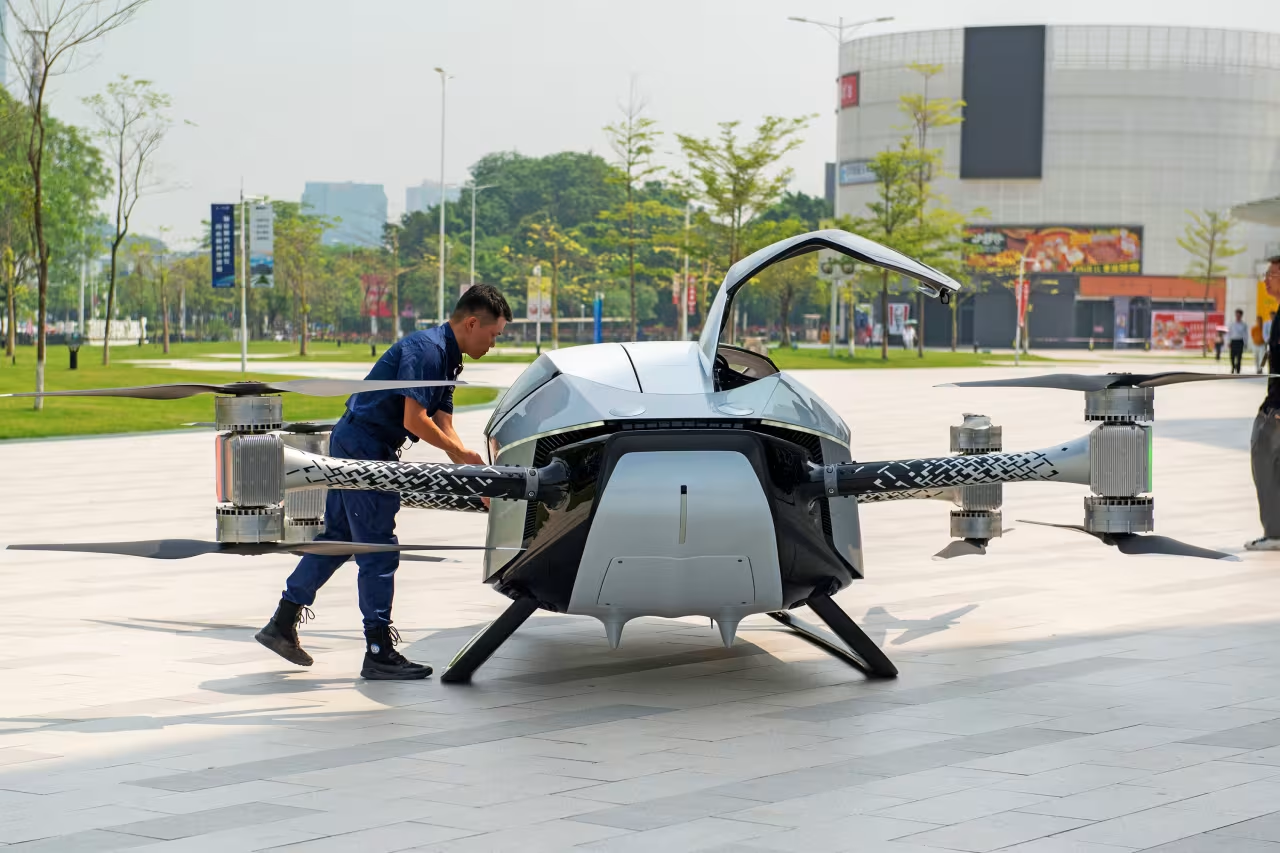
Drone cars rely on a layered stack of hardware and software working together in real time. The technology behind an autonomous car focuses on three main tasks: seeing the world, deciding what to do, and sending commands to the vehicle.
Sensors And Perception
Modern self-driving cars use several types of sensors to build a live model of the road. Cameras detect lane markings, traffic lights, and signs. Radar measures the distance and speed of surrounding vehicles, even in poor visibility. Lidar, when used, maps nearby objects with laser pulses to create a detailed 3D picture of the environment.
Software fuses these data streams to identify other cars, pedestrians, cyclists, and obstacles. This perception layer lets a drone car predict how nearby objects might move over the next few seconds.
Decision Making And Control
Once the scene is understood, artificial intelligence and planning algorithms decide how the vehicle should respond. The system chooses a path, sets a safe speed, and plans lane changes or turns while following local rules of the road.
Control software sends precise commands to steering, throttle, and brakes so the vehicle follows the planned path smoothly. In higher-level systems, the car can manage a full trip from pickup to drop-off without human steering, though human supervision may still be required by law.
Levels Of Drone Car Automation
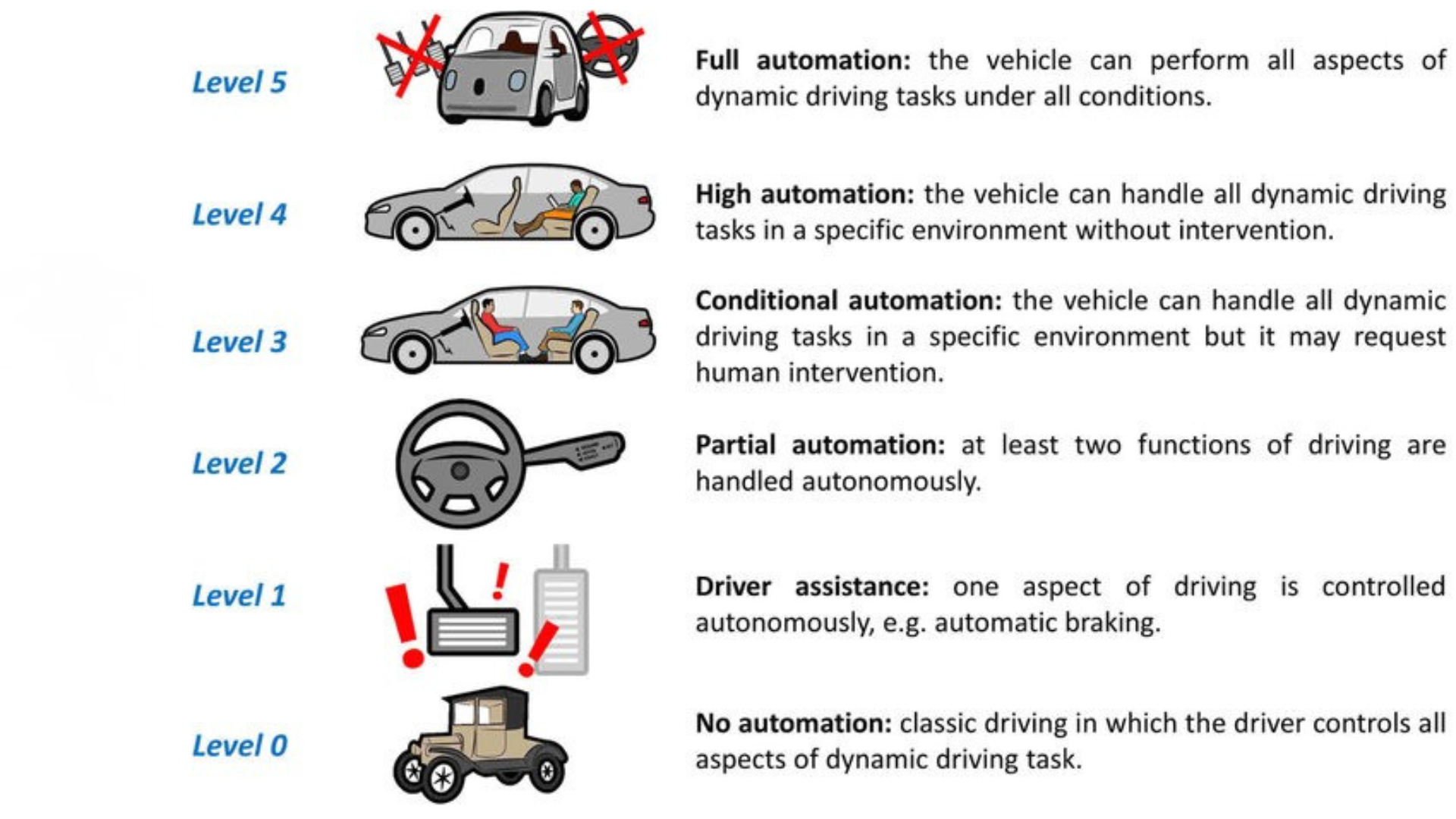
Not every autonomous vehicle has the same capabilities. Industry groups define levels of driving automation from Level 0 to Level 5, and many people use these to describe drone car types.
Levels 1 and 2 cover driver-assistance features like adaptive cruise control and lane centering that help, but still rely on an attentive driver. Level 3 lets the system handle most driving in limited conditions, yet expects a human to take over when asked.
Level 4 includes highly automated driverless cars that can operate on their own inside specific areas, such as a mapped downtown zone. Level 5 represents the fully autonomous drone car concept: a vehicle that can drive anywhere, in any conditions, without a driver. At the time of writing, most real-world deployments are closer to Levels 2–4, and true Level 5 cars are still in development.
Real-World Uses For Drone Cars
Although you cannot yet buy a fully driverless family car at your local dealer, autonomous vehicle technology is already on the road in several forms. Cities in the United States and other regions test robotaxi services where self-driving cars offer ride-hailing trips inside restricted service areas.
Autonomous shuttles carry passengers on fixed routes in business parks and campuses. In freight and logistics, pilot programs use self-driving trucks and delivery robots for last-mile deliveries and highway runs. These practical deployments show how drone car applications can support both everyday commuters and commercial fleets.
Benefits Of Drone Cars
Supporters of drone cars highlight several potential advantages. The biggest promise is improved safety, since many crashes involve human mistakes such as distraction, speeding, or fatigue. A well-designed autonomous car never texts, falls asleep, or drives while impaired.
Drone cars could also ease congestion by driving more smoothly and communicating with each other to avoid sudden slowdowns. For people who cannot drive today, like some seniors or those with disabilities, a reliable driverless car could provide new independence and easier access to jobs, healthcare, and social activities.
Risks And Challenges Of Drone Cars
Despite the benefits, autonomous vehicles face serious challenges. High-profile crashes, software recalls, and investigations show that even advanced systems can make mistakes in complex traffic or rare edge cases. Weather, construction zones, and unusual road layouts remain difficult for many platforms.
There are also regulatory and ethical questions. Lawmakers must decide how to handle liability when an autonomous car is involved in a crash, and how to set safety standards for driverless fleets. Cybersecurity is another concern, because connected cars must resist hacking attempts that could compromise control systems.
Future Of Drone Cars
The long-term future of drone cars likely involves a mix of autonomous and human-driven vehicles sharing the road. Many experts expect more robotaxi services, expanded autonomous trucking corridors, and smarter city infrastructure that can talk to cars to coordinate traffic.
Over time, advances in sensors, chips, and artificial intelligence may push more systems toward higher levels of automation. Still, widespread Level 5 autonomy will depend on technology progress, clear rules, and public trust in autonomous car safety.
Troubleshooting Common Problems
Because drone cars are still emerging, many issues involve expectations and misunderstandings rather than hands-on fixes. These points help clear up common confusion about autonomous vehicles and self-driving features.
- If a vehicle offers driver assistance only, remember it is not a full drone car and still needs an alert driver.
- If headlines mention a “self-driving” crash, check whether the system was actually a Level 2 or Level 3 driver-assist feature.
- If a robotaxi service pauses or recalls vehicles, it usually means software is being updated to address specific edge cases.
- If you test a car with advanced automation, review the owner’s manual to understand where and how features are designed to work.
Tips
- Treat today’s consumer systems as advanced driver-assistance tools, not fully driverless cars, even if marketing language sounds ambitious.
- Stay current on local laws, since some regions limit where self-driving pilots and robotaxis can operate.
- When riding in an autonomous shuttle or robotaxi, use provided feedback tools to report odd behavior and help improve safety.
- Keep an eye on how autonomous vehicle technology affects public transit, delivery services, and city planning in your area.
FAQ
Is A Drone Car The Same As A Self-Driving Car?
In most everyday usage, yes. People use drone car, self-driving car, autonomous car, driverless car, and robotic car to describe vehicles that can steer, brake, and navigate with minimal human input.
Can I Buy A Fully Autonomous Drone Car Today?
At the time of writing, consumer vehicles with full Level 5 automation are not available. Many new cars include partial automation and driver-assistance features instead.
Are Drone Cars Safe?
Autonomous car developers aim to reduce crash rates compared to human drivers, but real-world testing continues. Safety varies by system, operating area, and how carefully services are deployed and monitored.
Where Are Drone Cars Being Tested?
Self-driving pilots and robotaxi services are active in select US cities and other global locations, usually inside well-mapped zones with defined operating rules.
Summary
- A drone car is an autonomous or self-driving car that can operate with limited human control.
- It uses sensors, mapping, and artificial intelligence to interpret the road and make driving decisions.
- Most real deployments today fall between Level 2 and Level 4 automation, not full Level 5.
- Benefits include potential safety gains, smoother traffic, and better access to mobility.
- Challenges include safety incidents, regulations, cybersecurity, and public trust in autonomous vehicles.
Conclusion
Understanding what a drone car is helps make sense of the rapid changes in modern transportation. Instead of science fiction, autonomous vehicle technology now appears on city streets in the form of robotaxis, shuttles, and advanced driver-assistance systems. While the industry still works through safety, legal, and technical hurdles, drone cars and other autonomous vehicles are likely to play a growing role in how people and goods move. By following developments with a clear view of both benefits and risks, you can better judge how self-driving technology fits into everyday life.



Discussion (0)
Be the first to comment.