




Drones have moved from niche tools to everyday devices used in photography, inspections, agriculture, and recreation. Understanding how a drone is controlled helps new pilots stay safe and gives experienced operators a clearer view of how modern UAV systems make stable, precise flight possible. Drone control combines operator input, wireless communication, onboard computing, and autonomous flight features to navigate the aircraft in real time.
Whether the drone relies on manual joysticks, GPS-assisted flight, or advanced autopilot technology, each control method serves a specific purpose. Most consumer drones use a mix of radio-frequency commands, onboard stabilization sensors, and GPS data to stay balanced and maintain smooth movement in the air. Below is a breakdown of the major systems that work together every time a drone takes off.
The Role Of The Controller

The handheld controller, often called a transmitter, acts as the primary communication link between the operator and the drone. It sends wireless commands through radio frequencies, enabling real-time control over speed, direction, altitude, and rotation. Modern controllers often include a display or smartphone mount for FPV feeds, flight telemetry, and battery status.
What Makes Up A Drone?
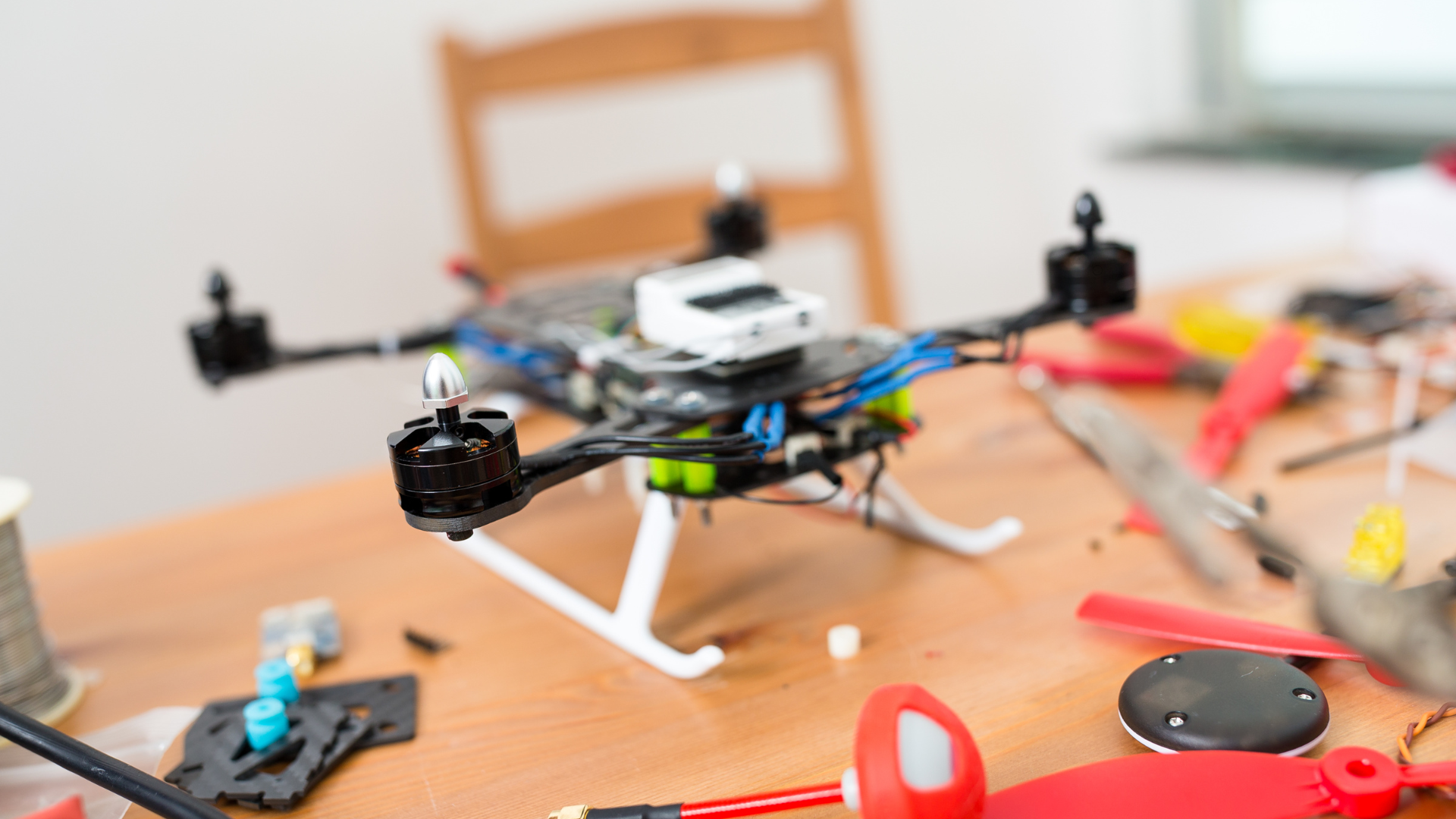
A drone contains several essential components that interpret incoming signals and keep the aircraft stable during flight. The flight controller serves as the central processor, coordinating responses from motors, propellers, and ESCs while reading data from stabilizing sensors. GPS modules support positioning, waypoint navigation, and automated returns, while cameras and gimbals deliver aerial images and video.
How Radio Control Works
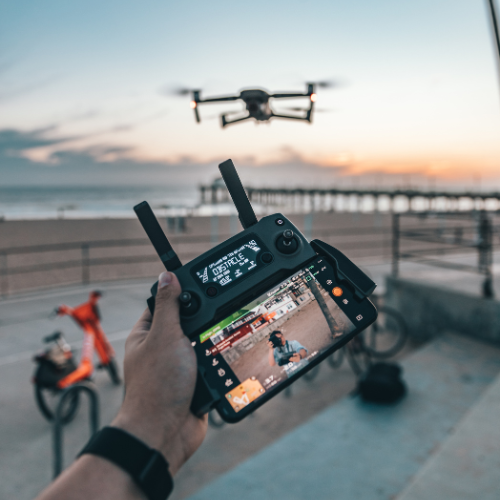
Most drones use the 2.4GHz or 5.8GHz spectrum to maintain a strong connection with the transmitter. These frequencies provide low latency, long range, and resistance to interference. When the operator moves the joysticks, the controller sends signals to the onboard receiver, which relays them to the flight controller. This wireless link determines the drone’s heading, speed, and height.
Understanding Transmitters And Receivers
The transmitter contains the joysticks, switches, and control inputs. The receiver, mounted inside the drone, interprets these signals and converts them into motor changes. Together, the TX/RX pair enables immediate feedback and precise communication, which is critical for fast-moving drones and FPV racing.
Flight Modes And Control Behavior
Drones offer multiple flight modes that change how responsive or automated the aircraft becomes. Manual mode gives full, direct control for experienced pilots, while stability mode uses internal sensors to assist beginners. Other modes, such as altitude hold and GPS hold, help the drone maintain a fixed height or position without pilot correction.
How Joysticks And Throttle Input Work
The controller’s joysticks manage altitude, directional movement, and rotation. Throttle input determines how much lift the motors generate, while horizontal movements adjust roll and pitch to steer the drone forward, backward, or sideways. Yaw rotation lets the pilot turn the drone’s orientation mid-air. Together, these inputs form the foundation of manual drone flying.
Autonomous Flight And GPS Support
Most modern drones include autonomous functions powered by GPS. Features like Return-to-Home, waypoint navigation, and Follow Me depend on satellite positioning to keep the drone stable and aware of its location. GPS also assists with wind resistance and geofencing, preventing drones from entering restricted zones.
How Gyroscopes And Accelerometers Stabilize Flight
Gyroscopes measure rotation, while accelerometers detect changes in direction and speed. These sensors feed constant data to the flight controller, allowing the drone to self-correct during turbulence or sudden movement. Combined, they form the IMU, one of the most important systems in maintaining smooth, level flight.
The Role Of Autopilots And Flight Controllers
The flight controller processes every onboard sensor alongside every command the operator sends. Autopilot software expands these capabilities, enabling autonomous missions, automated takeoffs, automated landings, and fail-safe functions. This system acts as the drone’s operating system, coordinating all movement and safety responses.
Troubleshooting Common Problems
Most control-related drone issues come from signal interference, calibration errors, or outdated firmware. Common problems include drifting during hover, delayed joystick response, unstable GPS lock, and sudden disconnects. Recalibrating the IMU and compass often resolves stability issues, while relocating to an open outdoor area improves radio frequency performance.
Tips
Keep your controller and drone firmware updated to reduce disconnects and improve stability.
Calibrate the IMU, compass, and gimbal after firmware updates or long storage periods.
Fly in open areas to avoid RF interference from power lines, Wi-Fi hotspots, and metal structures.
Use beginner-friendly modes like GPS Hold or Altitude Hold until you’re comfortable with manual input.
Monitor battery levels closely to prevent forced landings or emergency Return-to-Home triggers.
Check propellers for cracks or warping before each flight to maintain stable lift and control.
FAQ
What controls a drone’s movement? A drone uses a combination of joystick input, radio communication, and onboard sensors to determine direction, rotation, and altitude.
Why do drones need GPS? GPS helps with autonomous features like Return-to-Home, waypoint missions, and position holds during windy conditions.
What is a drone flight controller? It is the processing unit that interprets sensor data and operator commands to stabilize and guide the drone.
What causes drone signal loss? Wireless interference, low-quality antennas, and long-distance flying can interrupt the connection between the controller and the receiver.
Summary
Drone control relies on a mix of radio communication, onboard sensors, and GPS-assisted features.
The controller sends real-time commands to the receiver, which passes them to the flight controller.
IMU sensors stabilize the drone during movement, turbulence, and manual maneuvers.
GPS provides autonomous features like Return-to-Home, waypoint navigation, and position holding.
Calibration, good signal conditions, and updated firmware ensure smooth, reliable flights.
Conclusion
Drone control blends wireless communication, sensor-driven stability, and GPS-powered autonomy. These systems make modern drones highly reliable, stable, and beginner-friendly. As drone technology continues to evolve, these control methods will only become more accurate, more secure, and more automated.


Discussion (0)
Be the first to comment.