




Flying a Propel drone can be an exciting and rewarding experience, whether you're a beginner or a seasoned enthusiast. This guide walks you through everything you need to know to take off and fly your Propel drone with confidence. By the end, you'll understand the essential flight controls, safety tips, and troubleshooting solutions for a smooth flying experience.
1) Pre-flight preparation: Getting ready to fly
Unboxing and assembling the drone
Before you take flight, ensure your Propel drone is assembled correctly. Start by carefully unpacking the drone and checking for any loose components.
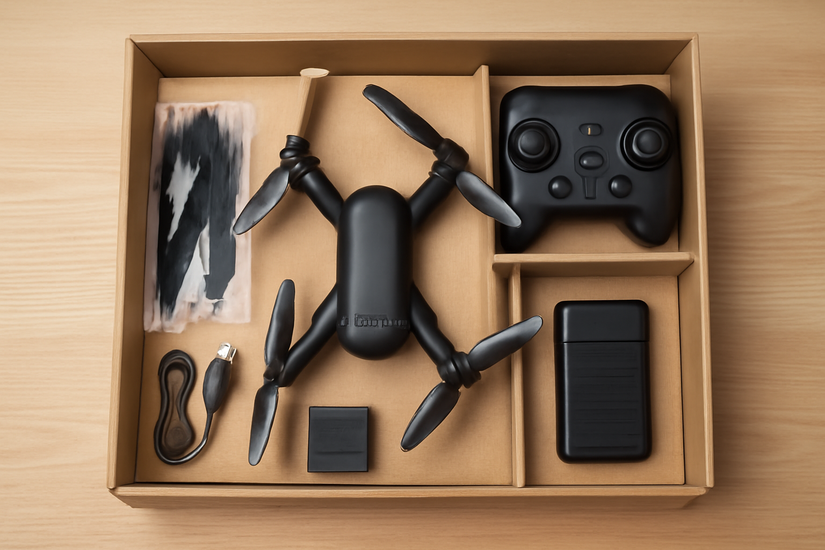
Verify that the propellers are attached securely, and ensure the battery is correctly installed. Follow the user manual for the specific model you own to avoid missing any important steps.
Charging the drone and remote
Both the drone and the remote need to be fully charged before your first flight. Charge the drone battery using the provided charger until the light indicates a full charge. Similarly, charge the remote control, as a low battery could affect your ability to control the drone during flight.
Calibrating the drone
Proper calibration ensures your drone flies smoothly. Turn on the drone and the remote, then follow the steps in your user manual to calibrate the gyroscopes and sensors. Calibration is vital for stable flight, especially when flying in open spaces with wind.
2) Understanding the basic controls
Overview of the remote control
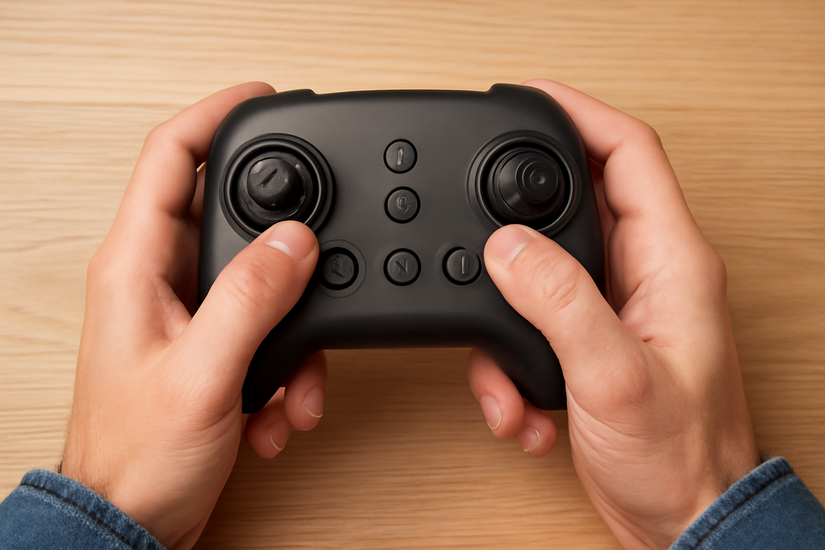
Understanding the remote control is important for quick acclimatization. It is your primary interface for flying your Propel drone. Most models feature joysticks that control the drone’s altitude (throttle), direction (yaw, pitch, and roll). Familiarize yourself with these controls, and practice using them before flying.
Switching between control modes
Propel drones often feature different control modes for beginners and advanced users. Beginners should start with the low sensitivity or beginner mode, where the drone responds more slowly. As you gain experience, you can switch to “advanced mode” for faster, more responsive controls.
Learning to hover and basic maneuvers
Mastering hover is one of the most important skills in drone flying. To hover, gently lift the throttle until the drone maintains a steady altitude. Once comfortable with hovering, practice moving the drone forward, backward, and turning left or right.
3) Flying the Propel drone
Finding a safe and open space
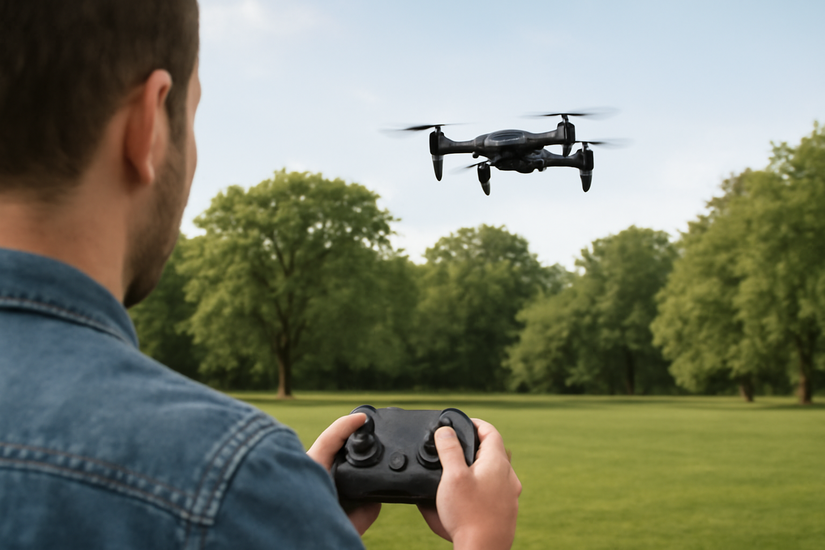
Always choose an open area for your first flight. A park or open field is ideal to avoid obstacles like trees, buildings, or power lines. Keep your drone in sight at all times and away from crowds or busy areas to avoid accidents.
First takeoff and controlled flight
To take off, gradually increase the throttle until the drone lifts off the ground. Keep it low at first and adjust the throttle to maintain steady flight. Use small, gradual movements to control the drone’s altitude and direction.
Practicing basic movements
Start with basic movements, like flying in straight lines, turning, and hovering. Once comfortable, practice moving the drone in circles and figure-eight patterns. Gradually extend your flight area as you get more confident.
4) Advanced flight techniques (for experienced users)
Performing stunts and aerial tricks
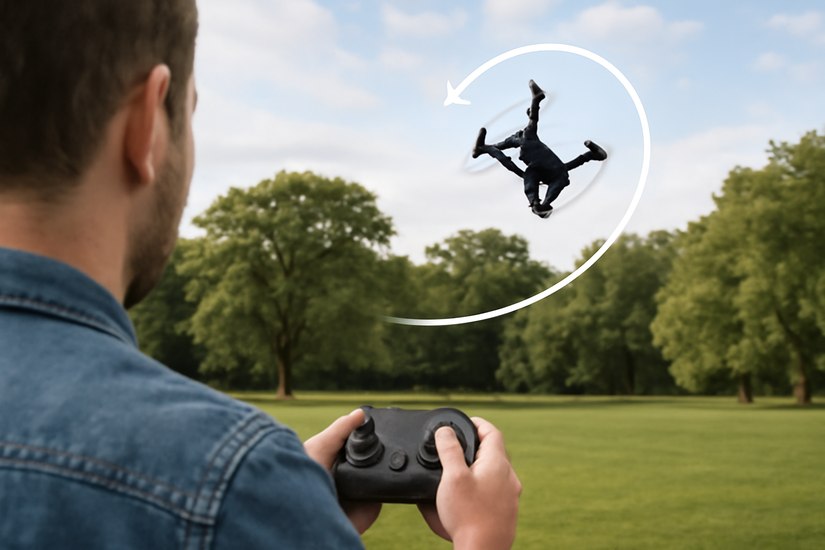
As you gain confidence, you can experiment with aerial stunts like flips and rolls. Many Propel drones feature a stunt mode that makes it easier to perform these tricks. Start slowly, and make sure you are in a spacious, obstacle-free area to avoid collisions.
Using camera features (if applicable)
Some Propel models come with built-in cameras. Learn how to operate the camera controls for capturing photos or videos during flight. Ensure you have sufficient storage space on the drone for media, and avoid sudden movements when recording for smoother footage.
5) Troubleshooting common flight issues
- Drone drift: If your drone drifts during flight, it might need recalibration. Make sure you recalibrate the gyroscopes and sensors before the next flight. If drifting persists, check for wind conditions or adjust the trim settings on the remote.
- Remote control pairing issues: Sometimes, the drone may become unsynced with the remote. If this happens, turn both the drone and remote off, then power them back on and re-pair them following the steps in your user manual.
- Handling crashes and recovery: Crashes are a part of learning to fly. After a crash, inspect the drone for any damage, particularly the propellers and motors. If all parts are intact, recalibrate the drone before flying again. Always check that the drone responds correctly to the controls before taking off again.
Post-flight care and maintenance tips
- Proper storage and battery care: After flying, remove the drone battery and store it in a cool, dry place. Avoid leaving the battery in the drone, especially after a flight. Always recharge the battery when it’s nearly drained, but never overcharge it.
- Regular maintenance checks: Perform regular checks to ensure your drone stays in good working order. Inspect the propellers for any signs of wear and replace them as needed. Check the motor and body for any debris or damage.
FAQs
How long can I fly a Propel drone on a single charge? Most Propel drones offer 5–10 minutes of flight time per charge, depending on the model and flight conditions.
Can I fly my Propel drone in windy conditions? It’s not recommended to fly in strong winds, as it can cause the drone to become unstable. For beginners, flying in calm weather is ideal.
What should I do if my drone stops responding during flight? First, try to regain control by lowering the throttle. If the drone is out of range or has lost connection, it will typically return to the last known location automatically. Reconnect and calibrate the drone if needed.
How can I improve my drone’s flight stability? Ensure your drone is properly calibrated and check the trim settings. Flying in calm weather conditions and using stable surfaces to take off and land will also improve stability.
Summary
- Assemble, charge, and calibrate the drone for a successful first flight.
- Familiarize yourself with the remote controls, including throttle, yaw, pitch, and roll.
- Always choose an open, safe area for your first flights and practice controlled movements.
- Once comfortable, try stunts, aerial tricks, and using the drone’s camera features.
Conclusion
Flying a Propel drone is a fun and rewarding activity that anyone can enjoy. By following the steps outlined in this guide, you’ll be able to start flying confidently, troubleshoot common issues, and safely perform advanced maneuvers. Remember, practice makes perfect — so keep flying and honing your skills.


Discussion (0)
Be the first to comment.