




Forced subtitles appear automatically during movies, shows, and streamed content when essential information needs to be shown, even if the viewer has subtitles turned off. These subtitles usually translate brief foreign-language dialogue, explain on-screen text, or provide critical context the viewer must understand to follow the story.
While they look similar to regular subtitles, forced subtitles behave differently. They cannot be disabled, and they appear only for specific moments, not the entire program. This makes them useful for scenes where characters briefly switch languages, when documents or signs appear on screen, or when key plot information requires clarification.
How Forced Subtitles Work
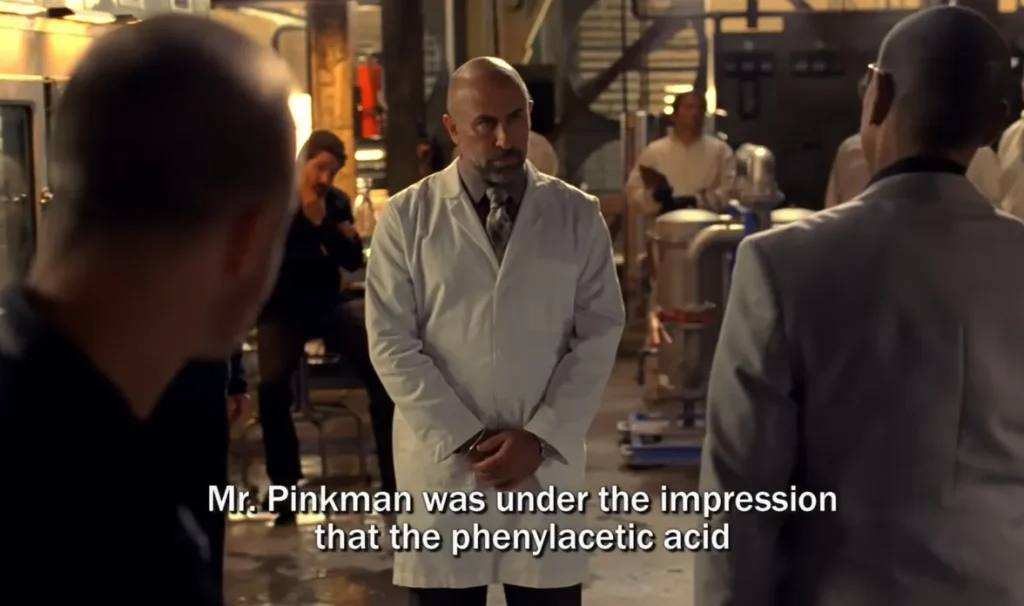
Content creators embed forced subtitles into the video to ensure viewers don't miss crucial story points. These subtitles may appear at the top, center, or bottom of the screen, depending on the creative styling of the film or show.
Unlike full subtitle tracks, forced subtitles activate only when needed. Streaming platforms, DVDs, Blu-ray discs, and digital movie files often include a separate “forced” track that triggers automatically during playback.
Why Forced Subtitles Are Used

Forced subtitles serve multiple purposes that improve clarity, accessibility, and storytelling. They are commonly used across films, documentaries, TV shows, and streaming platforms.
Translation for Foreign-Language Dialogue
When characters switch languages for short moments, forced subtitles translate only that specific line. This avoids requiring full subtitle tracks for viewers who prefer original audio without captions.
Clarifying On-Screen Text
Important signs, handwritten notes, or documents shown in the scene may require translation or explanation. Forced subtitles ensure viewers understand these details instantly.
Improving Accessibility
While not a substitute for full captions, forced subtitles help viewers who need quick contextual information without enabling an entire subtitle track.
Where Forced Subtitles Commonly Appear

Forced subtitles appear across many media types, especially where multilingual dialogue or contextual visuals are part of the storytelling. Movies like international thrillers, sci-fi films, and historical dramas frequently use them.
Streaming platforms such as Netflix and Amazon Prime also support dedicated forced-subtitle tracks that activate automatically, depending on the viewer’s audio selection.
Forced Subtitles vs. Regular Subtitles
Regular subtitles display every spoken line in the program, while forced subtitles appear only when essential information must be shown. Regular subtitles can be turned off; forced subtitles cannot.
Forced subtitles also tend to appear in a more prominent position on the screen to ensure they are not missed, and they often use different styling to distinguish them from full caption tracks.
Troubleshooting Common Forced Subtitle Problems
Viewers sometimes encounter issues with forced subtitles not appearing or appearing when they shouldn't. These problems often relate to the selected audio track or subtitle settings on the streaming service or device.
If forced subtitles fail to display, switching the audio language or choosing a different subtitle track may trigger the correct forced-subtitle layer. On physical media, selecting the “English (Forced)” track usually resolves missing translations.
Tips
• If translations are missing, try switching the audio to the primary language track used during filming.
• Some streaming apps hide forced-subtitle tracks under “Audio & Subtitles,” so check for secondary language options.
• DVDs and Blu-ray discs often label forced subtitles differently, so review all available subtitle tracks.
• If forced subtitles show up in the wrong language, clear your device’s language settings and restart playback.
FAQ
Are forced subtitles the same as closed captions?
No. Closed captions include sound descriptions and full dialogue. Forced subtitles only show essential translations or on-screen text.
Can I disable forced subtitles?
Generally no. They are meant to appear automatically because they are required to understand the story.
Why do only some scenes have forced subtitles?
They appear only when a translation or key visual explanation is necessary, unlike regular subtitles that show every line.
Why do streaming apps sometimes not show forced subtitles?
This usually happens when the incorrect audio track is selected. Choosing the film’s original language track often restores forced subtitles.
Summary
1. Forced subtitles appear automatically to explain essential dialogue or on-screen text.
2. They differ from regular subtitles because they cannot be disabled.
3. They enhance clarity, accessibility, and storytelling across films and streaming platforms.
4. Issues with forced subtitles often relate to audio or subtitle track selection.
Forced subtitles help ensure viewers understand critical plot elements, making them an important part of modern digital media.
Conclusion
They support accessibility, improve comprehension, and ensure that vital story details are never missed, regardless of the viewer’s language or hearing ability.


Discussion (0)
Be the first to comment.