


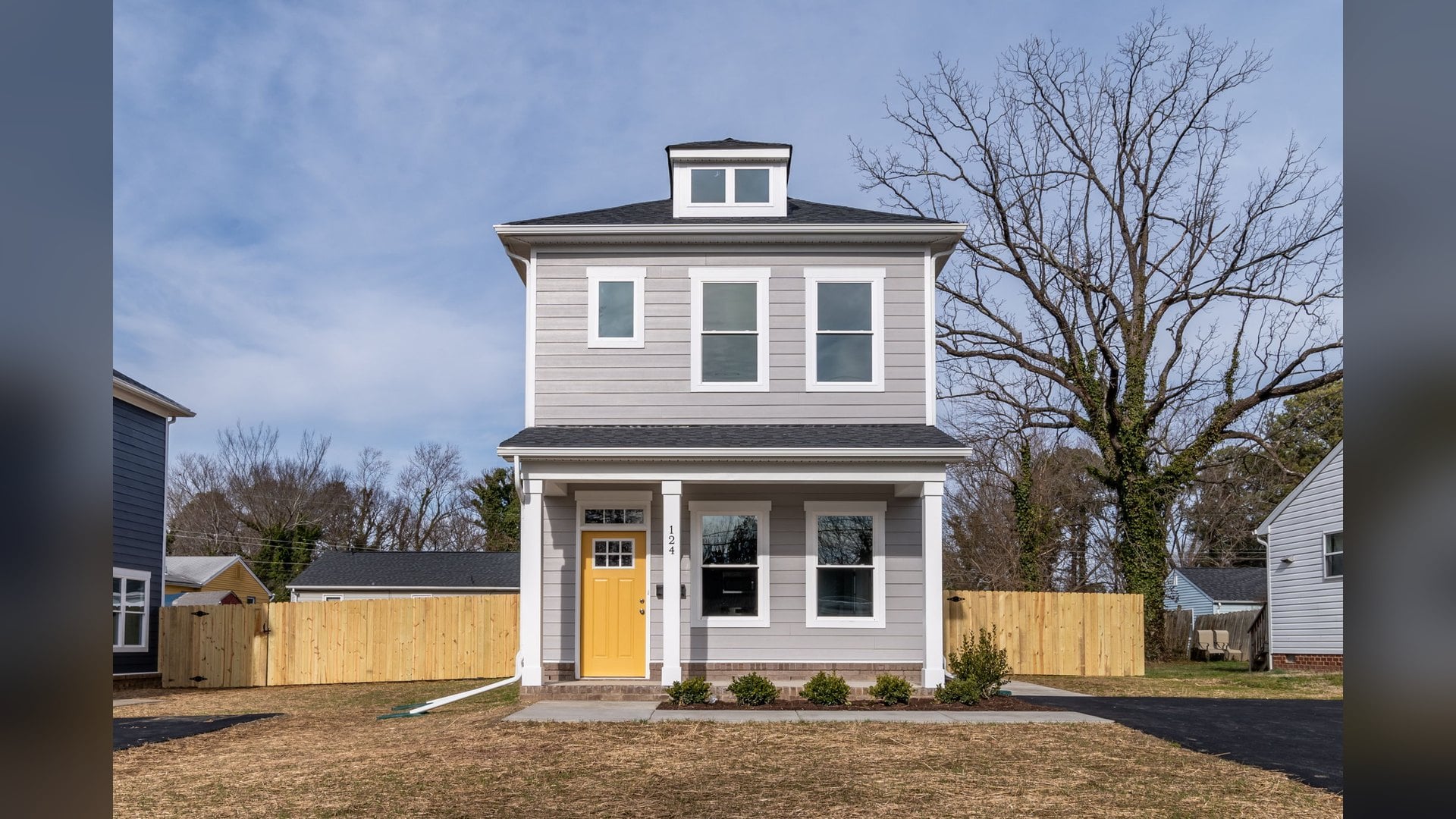
Virginia's Henrico County is using revenue generated by data centers to make newly constructed homes more affordable, but the initiative is attracting criticism over the environmental and financial costs of expanding computing infrastructure.
The county's Affordable Housing Trust Fund has reportedly helped 108 first time buyers purchase homes at prices considerably below the local median. Properties sold through the program have reportedly recorded a median price of approximately $254,000, compared with roughly $480,000 for newly constructed homes across the county.
That represents a price difference of approximately $226,000, although the entire amount does not come directly from government subsidies.
The initiative is supported by a $60 million commitment funded through data center tax revenue. However, residents have raised concerns about water consumption, electricity costs, construction disturbances, and diesel generator emissions associated with the growing industry.
Henrico County reportedly has 17 operational data centers, with another 14 facilities planned or under development.
Henrico County Uses $60 Million in Data Center Revenue to Support Affordable Housing
Henrico County established its Affordable Housing Trust Fund to help moderate income households purchase newly constructed properties.
The program primarily targets first time buyers, including teachers, nurses, public service employees, and other workers who may struggle to afford homes despite earning steady incomes.
The county initially allocated $60 million in unbudgeted data center revenue to establish the fund.
Henrico County has also changed how it taxes data center equipment.
In 2017, the county reduced its tax rate on computers and related equipment to $0.40 per $100 of assessed value to attract technology companies.
Beginning in 2025, that rate increased to $2.60 per $100 of assessed value.
The housing fund itself was established in May 2024, before that rate increase took effect.
Meanwhile, the assessed value of data center real estate reached approximately $2.6 billion in early 2026, generating an estimated $21.9 million in annual real estate taxes.
These revenues have provided the county with an additional funding source for housing development.
Housing Program Reduces Median Home Prices to $254,000
The Affordable Housing Trust Fund is administered by Partnership for Housing Affordability, a nonprofit organization operating in the Richmond region.
The initiative works with private developers, nonprofit organizations, and housing groups to reduce the final purchase price of eligible properties.
Developers typically receive grants averaging between $80,000 and $90,000 per home.
Some grants awarded at closing have exceeded $110,000.
The county also waives certain construction related charges, including building permit fees and water and sewer connection fees.
Projects participating in the program can receive faster subdivision reviews.
Another part of the initiative involves the Maggie Walker Community Land Trust, which retains ownership of the land beneath some homes to reduce purchase costs.
Together, these measures help buyers access newly constructed properties at prices below typical market levels.
The $226,000 difference compares two median sale prices and should not be interpreted as a direct subsidy of that amount for every property.
Homebuyers Must Meet Income and Ownership Requirements
The program is restricted to first time buyers earning between 60% and 120% of the area's median income.
These requirements are intended to support households that earn too much to qualify for some traditional housing assistance programs but still face difficulties purchasing newly built homes.
Properties also carry a minimum 10 year affordability restriction.
During that period, buyers must occupy the property or sell it to another household meeting the program's income requirements.
The condition is designed to discourage speculative purchases and preserve affordability for future buyers.
Over the past two years, 108 households have reportedly completed purchases through the initiative.
Another 470 sales are reportedly in development.
Henrico County intends to support at least 750 home purchases within five years.
However, the income eligibility requirements mean households earning less than 60% of the area median income are excluded from the program, raising questions about support for residents with the greatest housing needs.
Data Centers Reportedly Use About 500,000 Gallons of Water Daily
While the housing initiative has produced measurable results, Henrico County's growing data center industry has raised environmental concerns.
The county's operational facilities reportedly consume approximately 500,000 gallons of water per day.
Water is important for many data center cooling systems, which must remove heat produced by servers and other computing equipment.
The concern became more prominent during drought conditions in the summer of 2026, when residents were asked to conserve water.
The contrast between household conservation requests and industrial water consumption has contributed to criticism of the county's approach to data center expansion.
However, the reported consumption figure does not establish how much drinking water is used, whether facilities rely on recycled water, or how individual cooling systems operate.
Those details would be important when assessing the industry's broader effects on local water supplies.
Residents Report Diesel Fumes, Construction Noise, and Higher Electricity Bills
Communities near existing data center developments, including White Oak Technology Park, have reported disturbances associated with construction and facility operations.
Complaints include vibrations, persistent construction noise, and fumes from diesel generators.
Backup generators are commonly installed at data centers to maintain operations during electricity interruptions.
However, generator testing and operation can raise concerns about local air quality, particularly near residential neighborhoods.
Electricity costs have also become part of the debate.
Residents experienced a reported 25% increase in Dominion Energy power bills during the period discussed.
Although data centers require substantial electricity, the reported increase alone does not establish that their operations caused the higher household bills.
Determining their contribution would require examining electricity demand, infrastructure investment, utility rates, and how costs are distributed among customers.
Henrico County Faces Questions About the Costs of Data Center Expansion
The debate highlights the challenges local governments face when encouraging large technology investments.
Henrico County has generated significant tax revenue from its expanding data center industry and used part of that money to address housing affordability.
The initiative has helped more than 100 households purchase newly constructed homes, with hundreds of additional transactions planned.
However, residents are also questioning whether the financial benefits justify the effects of increased water consumption, electricity demand, construction activity, and industrial operations near residential areas.
The program's income restrictions have introduced another concern because some of the county's lowest income households cannot participate.
With 14 additional data centers in the pipeline, these questions are likely to become increasingly important as Henrico County considers further development.
The housing fund demonstrates how data center tax revenue can support local public programs, while the concerns surrounding the facilities show why communities are seeking greater scrutiny of their environmental and infrastructure costs.


Discussion (0)
Be the first to comment.