



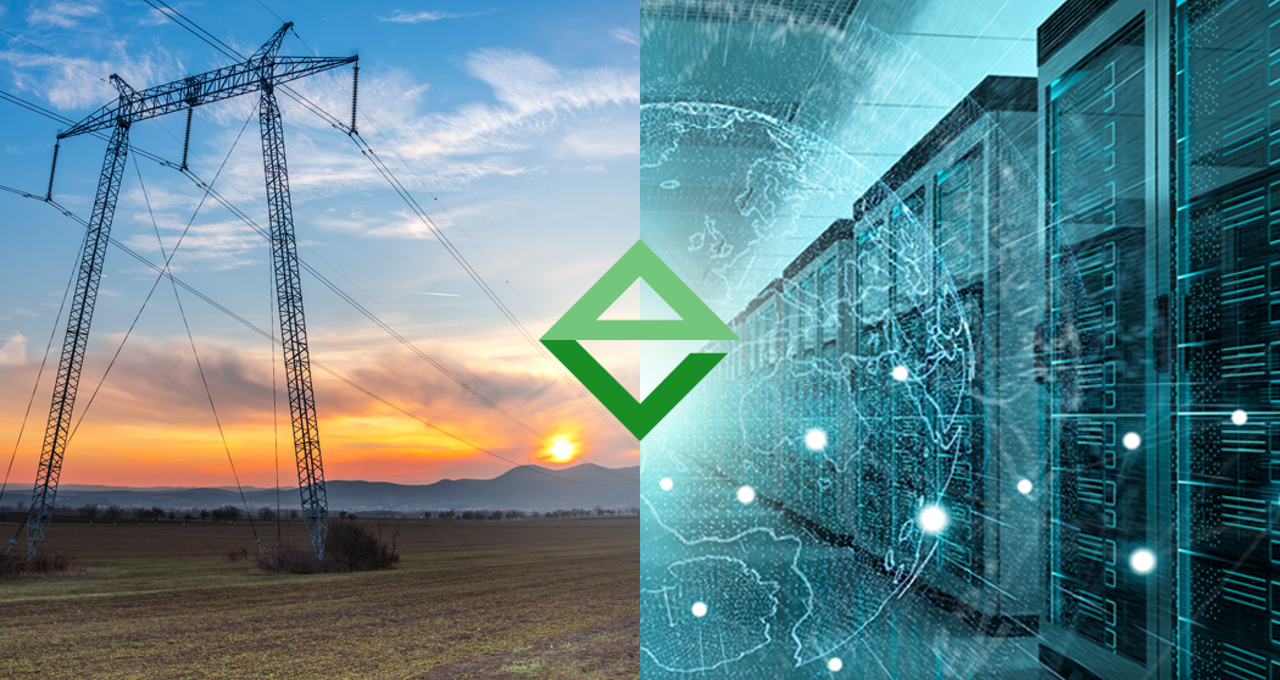
NVIDIA, Google, and energy technology company Emerald AI have launched a new industry group focused on making AI data centers more responsive to the needs of regional electricity grids.
The initiative, called the AI Energy Management Alliance, brings together technology companies, utilities, energy producers, and infrastructure firms. Its goal is to help future AI facilities adjust their electricity use when power grids are under pressure instead of operating as fixed loads that consume the same amount of energy regardless of wider conditions.
The alliance includes more than a dozen launch partners. Participants span chipmakers and AI companies as well as major energy providers and utilities.
The broader idea is to turn large AI facilities into flexible energy assets that can reduce demand during peak periods and, in some cases, send stored electricity back into the local grid.
Data centers could shift workloads during peak demand
AI data centers can require large amounts of electricity, especially as companies deploy increasingly powerful GPU clusters and other accelerated computing hardware.
The alliance proposes several ways to make that demand more flexible.
Data centers could move some computing jobs to different times, reduce workloads temporarily, discharge onsite battery systems, or rely on paired power generation during moments when the wider grid is under stress.
| Flexible data center approach | Potential grid benefit |
|---|---|
| Shift computing workloads | Reduces demand during peak periods |
| Lower temporary GPU usage | Frees grid capacity quickly |
| Discharge onsite batteries | Supplies stored electricity |
| Use local generation | Reduces dependence on the wider grid |
| Operate microgrids | Provides more independent power control |
| Respond to emergencies | Helps stabilize electricity supply |
This would represent a change from the traditional model, where data centers are treated mainly as large electricity consumers.
Under the proposed approach, operators could respond to grid conditions in real time.
Some facilities could send electricity back to the grid
One of the more ambitious parts of the plan involves using battery storage and microgrids to return electricity to utilities when demand is particularly high.
Large AI campuses increasingly include substantial energy storage systems. Instead of keeping that capacity only for backup purposes, operators could potentially discharge surplus energy into the local network.
In this model, a data center could behave in some situations like a virtual power plant.
The facility might reduce its own computing demand while simultaneously releasing stored electricity, helping the grid during a shortage or other emergency.
Supporters of the approach argue that this could make better use of existing transmission and generation infrastructure.
It may also reduce the need for some expensive grid upgrades or allow those investments to be delayed.
Faster grid connections are another goal
Another reason technology companies are interested in flexible power use is the difficulty of connecting new AI data centers to local electricity networks.
Utilities need confidence that adding a large facility will not make the system less reliable.
If operators can demonstrate that a data center can reduce consumption when necessary, utilities may be more comfortable approving connections on shorter timelines.
That could be particularly important as companies expand AI infrastructure faster than some electricity networks can add new generation and transmission capacity.
For Google, the effort also fits with its broader work around cleaner energy and around matching electricity consumption with lower carbon power sources throughout the day.
Alliance favors performance based standards
The group is not proposing that every data center use the same batteries, software, or power systems.
Instead, it supports technology neutral standards based on measurable performance.
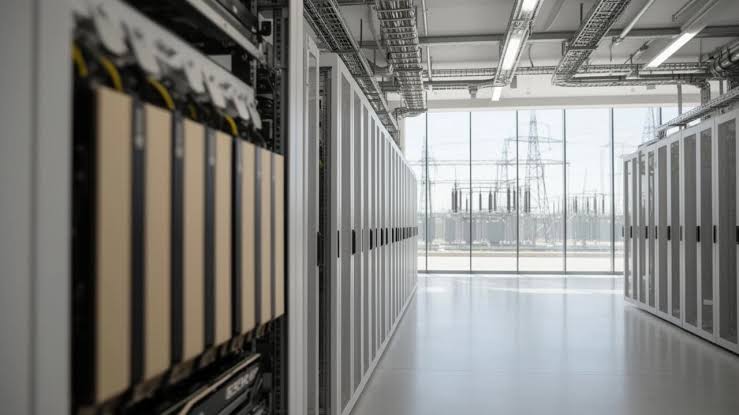
A facility could be judged by how quickly it reacts to a grid request, how long it can sustain reduced demand, how predictable its response is, and how reliably it behaves during emergencies.
That approach would allow operators to choose different technical solutions while still meeting common grid requirements.
NVIDIA and Emerald AI say work is already underway with energy and infrastructure companies on AI facilities designed around these ideas.
The alliance arrives as the power demands of AI computing continue to increase. Making data centers more flexible will not remove their electricity requirements, but it could help utilities manage when that demand occurs and make better use of batteries, local generation, and existing grid capacity.


Discussion (0)
Be the first to comment.