


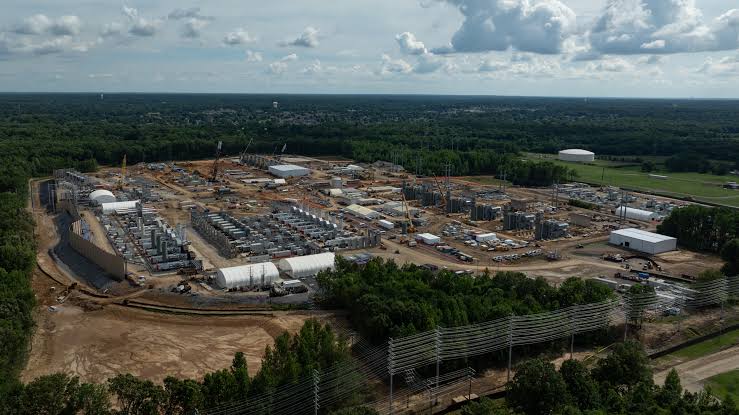
Elon Musk's AI company xAI has reportedly installed eight converted jet engines to generate electricity for its data center operations in Mississippi, raising fresh concerns about pollution and public health.
The turbines are part of the company's efforts to secure sufficient electricity for its rapidly expanding AI infrastructure, which requires substantial computing power to train and operate advanced models.
However, the installation has attracted scrutiny because of potential carbon monoxide emissions and other pollutants associated with gas powered electricity generation.
Reports also indicate that the relevant permits allow pollutant limits approximately 25% higher than certain existing standards, adding to concerns about environmental oversight.
xAI Uses Converted Aircraft Engines to Generate Data Center Power
AI data centers require large amounts of electricity to operate thousands of processors, cooling equipment and supporting infrastructure.
Traditional electricity networks can struggle to accommodate these requirements quickly, particularly when facilities expand faster than local power infrastructure.
To address these challenges, xAI has turned to gas turbines derived from aircraft engine technology.
These systems convert fuel into mechanical energy that drives electricity generators, providing an alternative to relying entirely on the regional power grid.
Although this approach can help companies obtain electricity more quickly, operating gas turbines produces emissions that require monitoring and regulatory oversight.
The eight reported installations illustrate the growing interest in dedicated power generation for large AI facilities.
Carbon Monoxide and Other Emissions Raise Health Concerns
Environmental concerns surrounding xAI's Mississippi operations have already resulted in legal challenges.
Residents and environmental organizations have questioned the company's use of gas turbines near populated areas, citing air pollution and continuous operational noise.
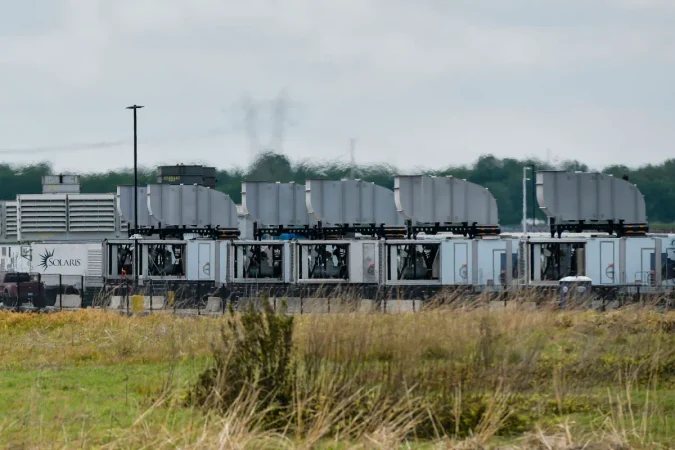
Potential emissions include carbon monoxide, nitrogen oxides and other combustion related pollutants.
Carbon monoxide can interfere with the body's ability to transport oxygen, while nitrogen oxides contribute to respiratory problems and ground level ozone formation.
A federal judge recently determined that turbines operating at xAI's Southaven facility cannot automatically qualify for exemptions intended for mobile pollution sources.
The ruling allows an existing Clean Air Act lawsuit to continue, although it does not establish that the company violated environmental regulations. Mississippi Today+1
Growing AI Electricity Demand Creates New Environmental Challenges
The controversy highlights the difficulties technology companies face when expanding AI infrastructure while meeting environmental requirements.
Onsite electricity generation can reduce dependence on existing power networks, but its environmental impact depends on fuel consumption, emissions controls and operating conditions.
Local communities have also raised concerns about the cumulative effects of multiple turbines operating near residential areas.
For xAI, securing reliable electricity remains important to its expanding computing operations.
However, the Mississippi installations demonstrate that future AI data center development will also face increasing scrutiny over emissions, regulatory compliance and potential consequences for nearby residents.



Discussion (0)
Be the first to comment.