



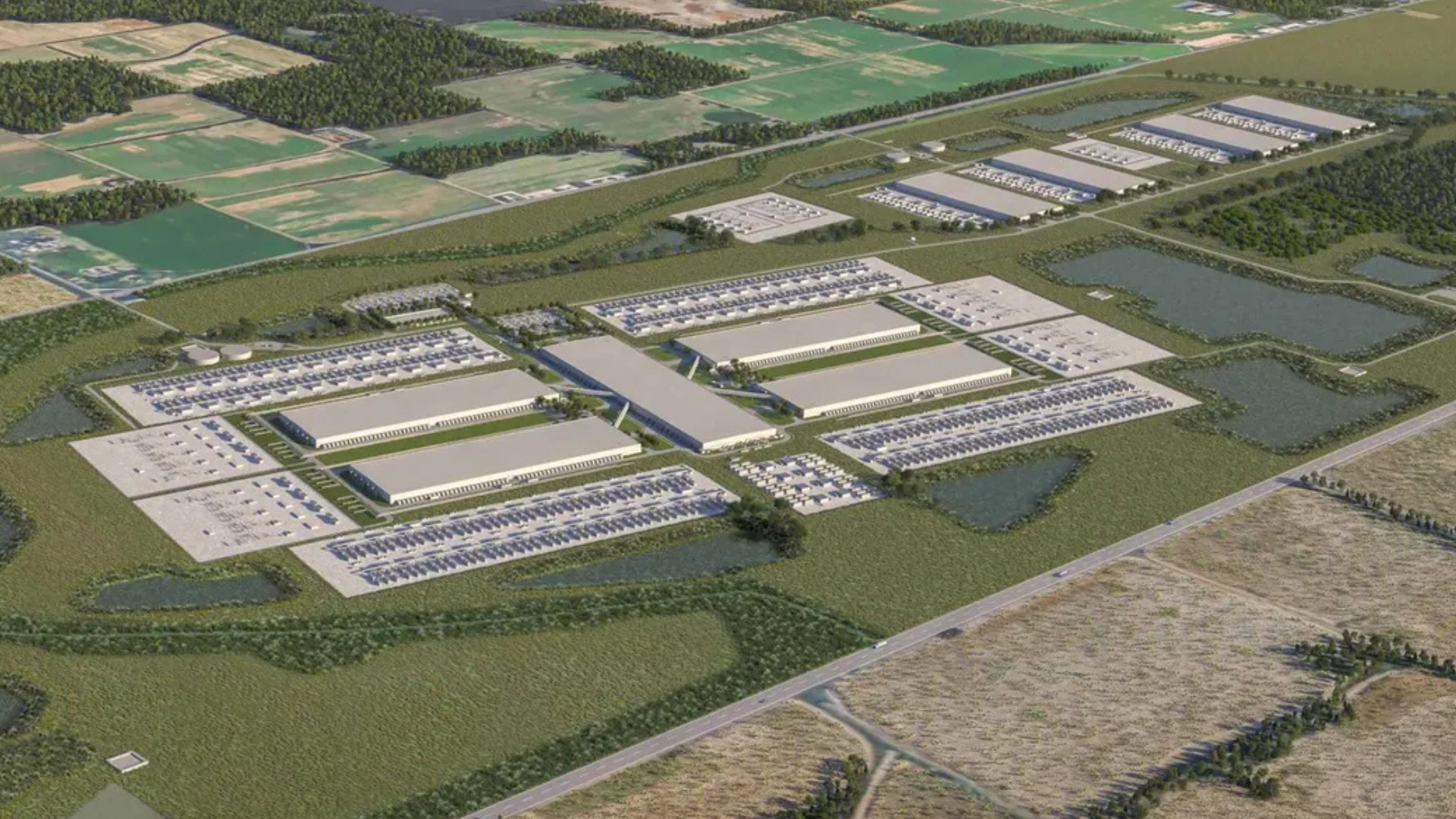
Microsoft says its newest AI data centers are designed to use about as much water in a year as a single restaurant, a major claim at a time when AI infrastructure is facing growing criticism over water, energy, noise, and local utility pressure.
The company shared the update during Build 2026, where CEO Satya Nadella highlighted a new approach to cooling AI hardware. The design is currently being used at Microsoft’s 315 acre Fairwater campus in Mount Pleasant, Wisconsin, and it marks a shift away from traditional hyperscale data centers that often rely on evaporative cooling. Those older systems can consume large amounts of fresh water, especially when cooling dense server racks under heavy workloads.
AI data centers are becoming much more demanding than older cloud facilities because they pack in large numbers of GPUs and networking systems. These machines generate intense heat, and keeping them stable is one of the biggest challenges in modern AI infrastructure. Microsoft’s answer is a closed loop cooling system that uses water differently from traditional cooling setups.
Microsoft is using a closed loop system instead of constantly drawing fresh water
The key change is that Microsoft fills the internal cooling loop once during construction. After that, the same water keeps circulating through the system. It absorbs heat from the AI hardware, moves that heat to a large chiller plant, and then returns to the data center to repeat the process.
The approach is similar in principle to how a liquid cooled PC or car cooling system works. Water moves through a sealed system instead of being continuously consumed and replaced. Large fans at the chiller plant help dissipate the heat, while outside air handles most of the cooling work.
Fresh municipal water is only needed during periods of extreme heat, according to the company’s description. If the system works at scale, it could sharply reduce the amount of water required to run large AI campuses.
| Area | What Microsoft is changing |
|---|---|
| Cooling method | Closed loop liquid cooling |
| Water use | System is filled once and recirculated |
| Main site | Fairwater campus in Mount Pleasant, Wisconsin |
| Design approach | Two story vertical data center layout |
| Main benefit | Lower fresh water demand |
| Current limit | Only new Fairwater style sites use this design |
| Older facilities | Most still use traditional cooling models |
The two story design helps Microsoft manage heat from dense AI racks
Microsoft is also changing the physical design of the data center. Instead of spreading hardware only across large warehouse style floors, the Fairwater site uses a two story vertical design. This lets Microsoft stack GPU racks in three dimensions and rethink how heat moves through the facility.
That layout matters because AI clusters need powerful networking and dense hardware placement. GPUs must communicate quickly, and the cooling system has to keep up without wasting huge amounts of water. A vertical design can help reduce the distance between systems and organize cooling more efficiently.
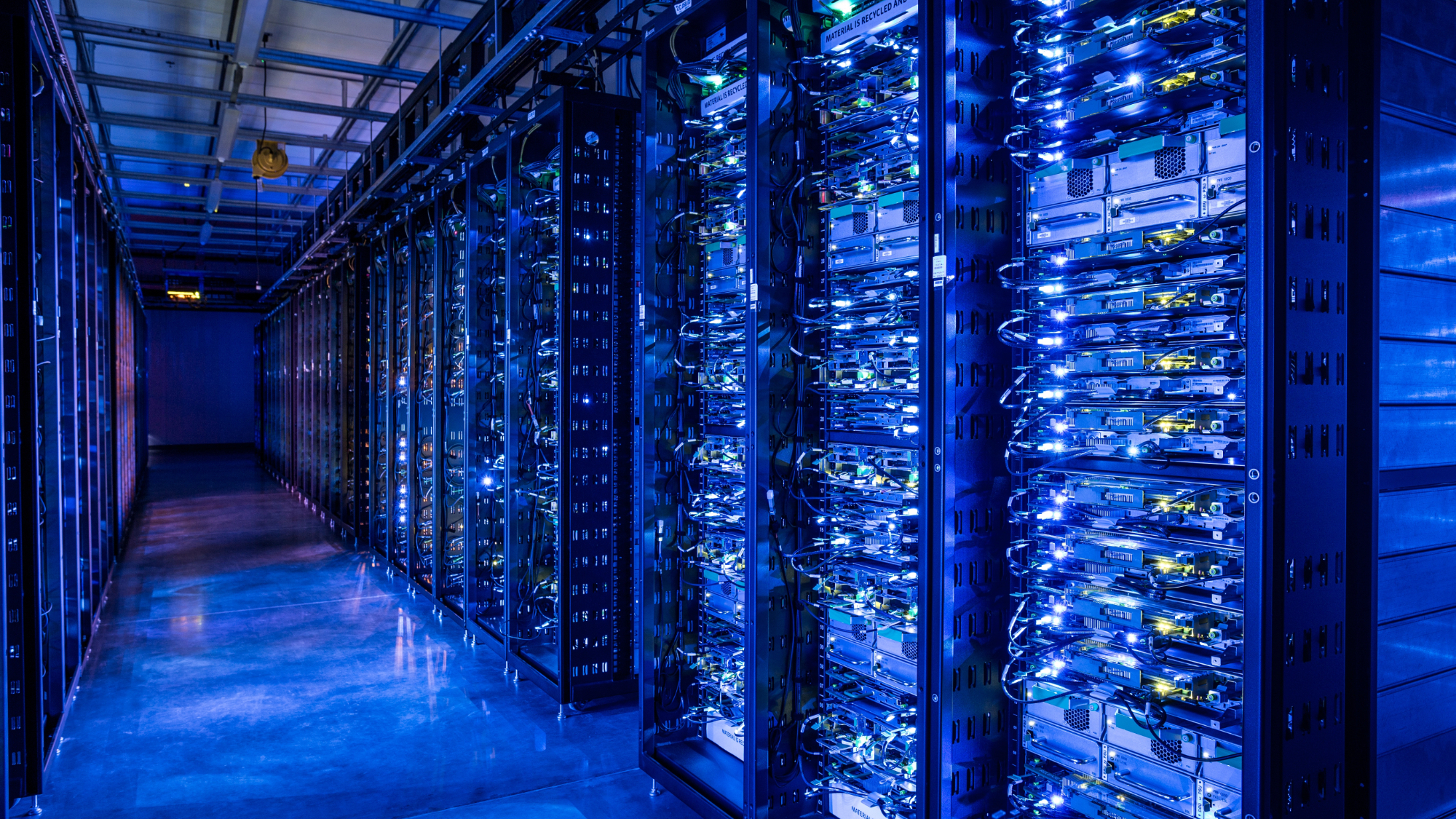
Rack level direct liquid cooling is also part of the setup. This type of cooling brings liquid closer to the hardware generating the most heat, instead of relying only on room level air conditioning. For AI workloads, that is becoming increasingly important because each rack can draw far more power than older server racks.
The promise is large, but the rollout is still limited
Microsoft’s claim is significant, but it does not mean all of its data centers now use restaurant level water. The closed loop design is currently limited to the Fairwater campus and select similar facilities under construction in the United States.
That distinction is important. Microsoft operates more than 500 facilities across 80 global regions, and most of its active data center network still uses older cooling models. The company has not announced a broad retrofit plan for all existing sites. As a result, the environmental impact of Microsoft’s total AI and cloud infrastructure will still depend heavily on how quickly these newer systems spread.
The timing also matters. Over the last 18 months, Microsoft has added more cloud capacity than it did during the first decade of Azure. That rapid expansion reflects the demand for AI training, AI inference, enterprise cloud services, and consumer AI tools. It also increases pressure on power grids, water supplies, and communities near new data center projects.
AI growth is forcing data center design to change
Microsoft’s new cooling model shows how the AI boom is pushing infrastructure companies to redesign basic systems that once seemed settled. For years, cloud data centers were judged mainly on compute capacity, uptime, efficiency, and cost. Now, water use and local environmental impact are becoming just as important.
A closed loop system does not solve every issue. Data centers still need large amounts of electricity, land, networking equipment, backup systems, and cooling hardware. Local communities may still raise concerns about grid demand, construction, and noise. But reducing fresh water use would address one of the most visible criticisms of AI infrastructure.
For Microsoft, the Fairwater campus is a sign of where new AI facilities may go next. The company is not claiming that its entire global network has been transformed overnight. It is showing a new model for future AI campuses that could lower water demand while supporting much denser GPU systems.
If Microsoft can expand this approach beyond a limited number of new sites, it could make a meaningful difference in how AI data centers are built. For now, the restaurant level water claim is an important step, but the real test will be whether this design becomes standard across Microsoft’s future infrastructure rather than a showcase example.



Discussion (0)
Be the first to comment.