




AMD is pushing back after reports suggested that FSR 4.1 may not come to RDNA 3.5 integrated graphics. The company has not confirmed support yet, but it is also not saying the feature has been canceled for those chips.
The confusion started after comments attributed to AMD’s David McAfee suggested that FSR 4.1 support for RDNA 3.5 iGPUs was unlikely. That raised concern because RDNA 3.5 graphics are used in several important devices, including handheld PCs, mini PCs, laptops, and systems that rely on integrated Radeon graphics rather than a separate GPU.
AMD’s Frank Azor later responded to those reports and said no such decision has been made. His statement does not confirm that FSR 4.1 will come to RDNA 3.5, but it does make clear that AMD has not officially ruled it out.
That distinction matters. FSR 4.1 is expected to bring better upscaling, clearer motion, and improved frame generation compared with older FSR versions. For devices with limited graphics power, those improvements could make a large difference in how modern games look and run.
RDNA 3.5 devices could benefit heavily from official FSR 4.1 support
RDNA 3.5 integrated graphics are not only found in traditional laptops. They are also important in compact gaming devices where every watt of performance matters. Handhelds and mini PCs often depend on upscaling to reach playable frame rates in newer games, especially at higher resolutions or with demanding visual settings.
That is why the possibility of FSR 4.1 skipping RDNA 3.5 caused such a strong reaction. If AMD supports older RDNA 2 and RDNA 3 hardware but leaves RDNA 3.5 iGPUs behind, it would create an awkward situation for relatively new devices that still need better image reconstruction and frame generation tools.
Community workarounds have already shown that FSR 4 related features can run on older AMD hardware through leaked files and tools such as OptiScaler. That does not automatically mean AMD can or will offer full official support, but it does suggest the idea is technically possible in some form.
| Area | Current situation |
|---|---|
| FSR 4.1 for RDNA 3.5 | Not confirmed, but not canceled |
| AMD’s response | Frank Azor says no final decision has been made |
| RDNA 3 support | Expected to receive support starting in July |
| RDNA 2 support | Expected to receive support in 2027 |
| Main affected devices | Handhelds, mini PCs, laptops, and some compact gaming systems |
| Why it matters | Better upscaling and frame generation could improve performance and image quality |
AMD needs clarity because handheld and mini PC buyers are watching
The handheld PC market has become one of AMD’s strongest areas. Many devices use Ryzen APUs with Radeon integrated graphics, and these systems rely heavily on smart software features to keep games playable. Better upscaling can make a small device feel much more capable, while frame generation can help smooth out performance in games that would otherwise struggle.
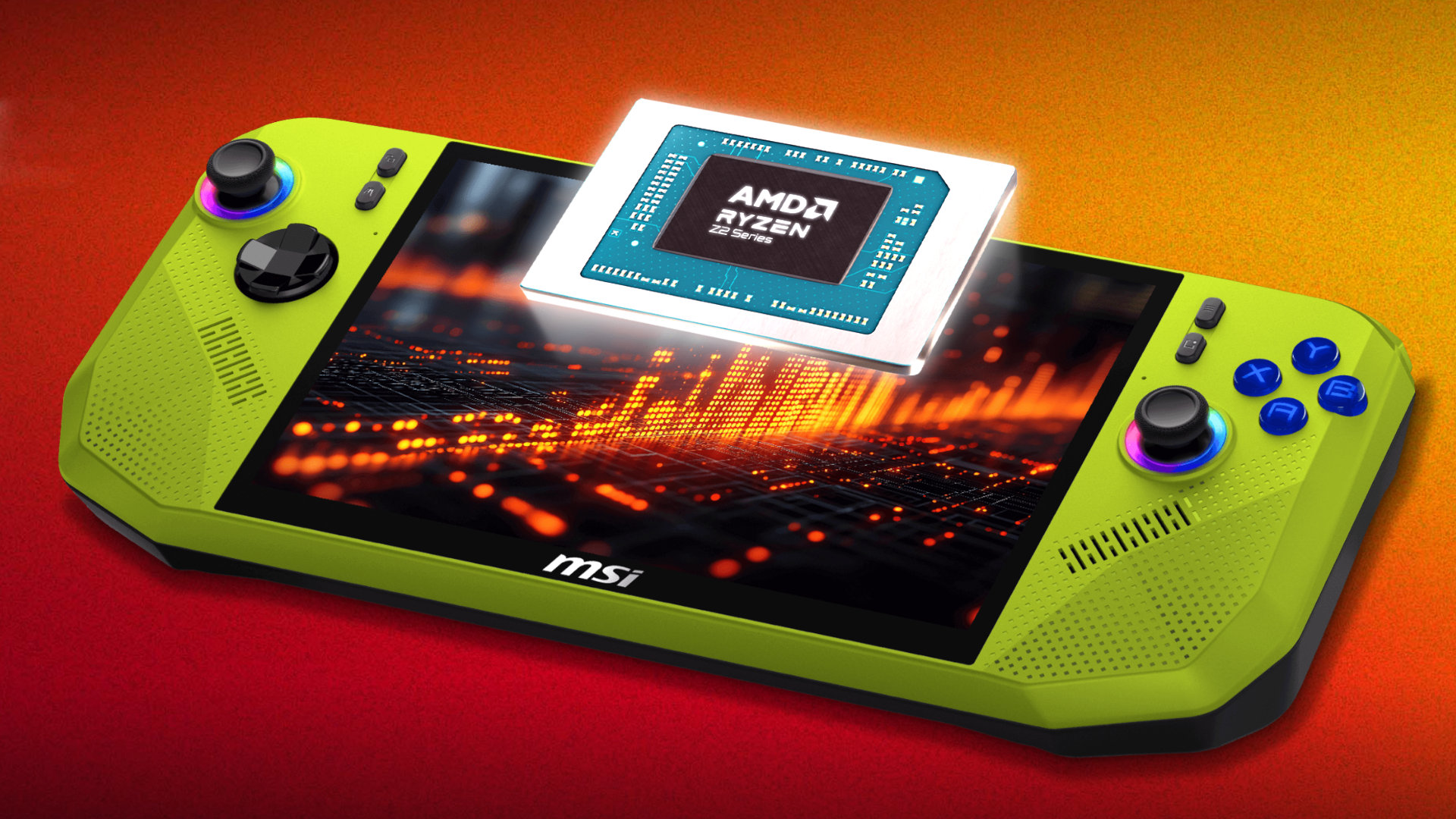
That is also why Valve and other AMD partners have a stake in this decision. If devices such as Steam Deck successors, Steam Machine style systems, or other compact gaming PCs use RDNA 3.5 graphics, official FSR 4.1 support could make them more competitive against consoles and NVIDIA based systems.
The timing also matters. AMD is expected to bring FSR 4.1 to RDNA 3 in July and RDNA 2 in 2027. If RDNA 3.5 support arrives later, that would still be better than no support at all. But if it is skipped entirely, AMD would likely face criticism from buyers who expected newer integrated graphics to receive the company’s latest gaming features.
FSR 4.1 could become more important than a normal software update
Upscaling is now a major part of PC and console gaming. It is no longer only a bonus feature for lower end hardware. Developers increasingly build performance targets around upscaling and frame generation, especially as games become more demanding.
For AMD, FSR 4.1 is important because it competes with NVIDIA DLSS and other image reconstruction systems. If AMD wants its handheld, laptop, and mini PC platforms to remain attractive, official support across more Radeon hardware would help.
There is also a possible console angle. Future PlayStation and Xbox systems may benefit from improvements tied to AMD’s FSR development. Sony’s PSSR on PS5 Pro has already been linked to broader progress in image reconstruction, so the work AMD does now could influence more than PC GPUs.
For now, AMD’s position is cautious. The company has not promised FSR 4.1 for RDNA 3.5 iGPUs, but it has also rejected the idea that support has already been denied. That leaves the door open.
The best outcome for players would be clear official support, even if it arrives later than RDNA 3. RDNA 3.5 devices are still relevant, and many of them would benefit more from FSR 4.1 than high end desktop GPUs. AMD now needs to turn that possibility into a firm answer.



Discussion (0)
Be the first to comment.