



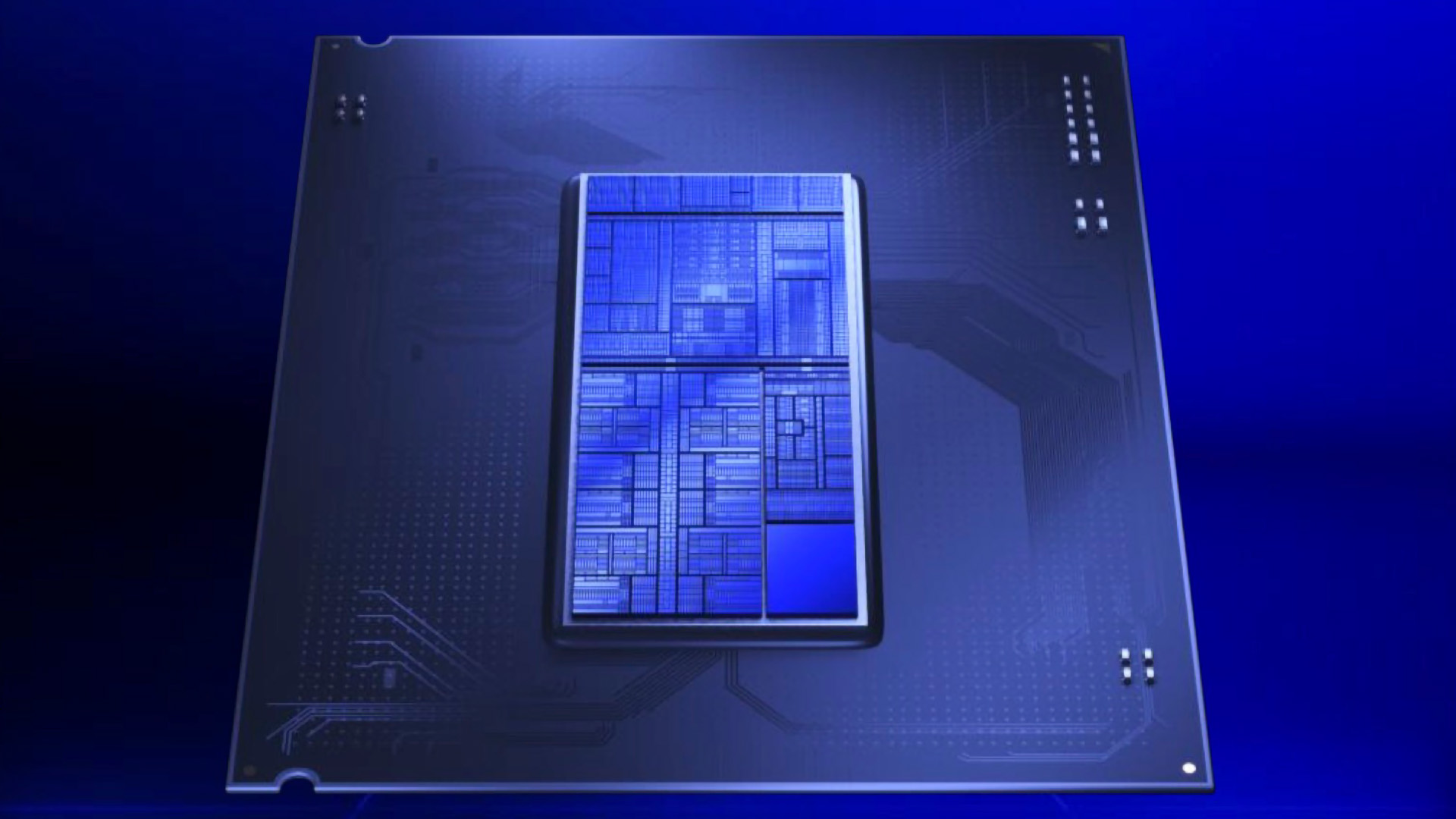
Intel’s next desktop platform appears to be moving toward a new socket and retention design, with a leaked Computex image reportedly showing the company’s upcoming LGA 1954 socket for Nova Lake processors. The most interesting part of the leak is not only the socket itself, but the unusual dual arm loading mechanism that may be designed to handle higher power draw and improve CPU contact pressure.
The image, shared by LC Tech Leaks, appears to show an LGA 1954 socket at an undisclosed location in Taipei. The motherboard itself was not clearly identified, likely to avoid revealing the vendor or specific board model. However, the socket design has drawn attention because it looks different from Intel’s current desktop retention mechanism.
Modern desktop processors use LGA sockets, where the pins sit inside the socket rather than on the CPU. This design allows higher pin density and better durability for the processor, but it also requires firm and even pressure between the CPU pads and socket pins. That pressure is handled by the Independent Loading Mechanism, or ILM, which clamps the processor into place.
Nova Lake may need stronger socket pressure because of higher power demands
The new mechanism is being called a 2L ILM, and it may exist because Nova Lake is expected to push power delivery harder than current Intel desktop chips. Earlier leaks have suggested that high end Nova Lake processors could feature up to 52 CPU cores and a short period boost power limit of around 471W.
If those figures are accurate, Intel’s next desktop chips will need extremely reliable electrical contact inside the socket. Moving hundreds of amps through tiny contact points creates serious engineering challenges, so the clamp design becomes more important than it may look at first glance.
| Detail | What it suggests |
|---|---|
| Socket name | LGA 1954 |
| Expected platform | Intel Nova Lake |
| Leaked design | Dual arm 2L ILM clamp |
| Possible reason | Better contact pressure for high power CPUs |
| Rumored top CPU layout | Up to 52 cores |
| Rumored boost power | Around 471W for short periods |
| Existing issue | Past Intel ILMs could contribute to CPU bending |
Intel has already dealt with pressure related concerns before. Some earlier LGA socket designs were criticized because the ILM could cause CPU warping over time. With Arrow Lake, Intel introduced a reduced load ILM that helped reduce bending, but it was optional. The Nova Lake version may be a different answer, potentially applying pressure more evenly while still keeping contact strong enough for higher power chips.
The new ILM may also be tied to CPU bending concerns
It is still not clear whether the new dual arm mechanism is mainly about current handling, CPU shape, or both. The protective cap on the leaked socket includes a note that says a 35 lb thermal solution load is required, which suggests heatsink pressure will still matter.
Intel may be trying to remove some uncertainty from DIY builds by changing the socket clamp itself. If the new ILM can apply pressure more evenly and maintain solid contact, it could reduce the need for third party contact frames or special mounting solutions. That would be useful for builders, especially if Nova Lake chips are physically larger or more demanding than current processors.
There is also a question of motherboard segmentation. Intel may require the new ILM on all Nova Lake motherboards, or it could appear mainly on higher end Z990 style boards designed for flagship CPUs. If top Nova Lake chips use dual compute tiles and very high power limits, some boards may need the stronger clamp design to support them properly.
For now, this remains an early leak rather than a confirmed platform detail. Still, the socket image gives a useful hint about where Intel’s desktop platform may be heading. Nova Lake is expected to bring major changes in core count, power delivery, and motherboard design. A new LGA 1954 socket with a stronger or more balanced ILM would fit that direction, especially if Intel is preparing for much higher current demands than today’s mainstream desktop CPUs.



Discussion (0)
Be the first to comment.